What Can Different Genres Of Tattoos Teach Us About Cybersigilism Art
Tattoo Inspiration: 7 Cybersigilism Artists to Follow Now
Cybersigilism has become one of the most compelling intersections of tattoo culture and digital art. It fuses the symbolic weight of ink traditions with the algorithmic precision of modern design. Artists in this field reinterpret the human body as a digital canvas, translating ancient motifs into glowing, coded sigils. The most influential cybersigilism creators today draw from different genres of tattoos—traditional, tribal, geometric, and neo-traditional—to build visual systems that reflect both identity and technology. Their work redefines what it means to mark oneself in a post-digital world.
Exploring the Connection Between Tattoo Genres and Cybersigilism Art
The dialogue between tattoo genres and cybersigilism reveals how cultural symbolism adapts within digital frameworks. Each genre contributes structural logic or emotional tone to this hybrid art form.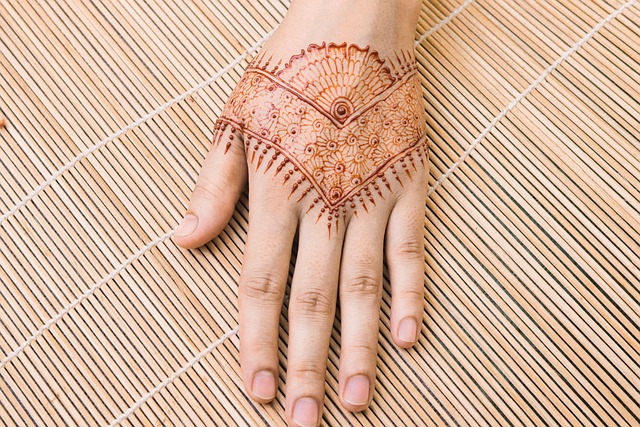
Understanding Cybersigilism as a Digital Tattoo Aesthetic
Cybersigilism merges futuristic digital motifs with symbolic linework reminiscent of traditional tattoos. Its imagery often includes metallic gradients, glowing vectors, and layered sigils that echo cyberpunk design principles. This aesthetic draws heavily from occult geometry and tribal patterning, forming a new language that questions where human flesh ends and digital identity begins. Artists use these coded visuals to express transformation in an age where technology mediates selfhood.
The Evolution of Tattoo Genres as a Foundation for Cybersigilism
Tattoo genres evolved through centuries of cultural exchange—from sailors’ bold outlines to indigenous ritual markings—and now serve as conceptual blueprints for cybersigilist expression. The transition from inked skin to screen-based art parallels shifts in how societies encode meaning through symbols. By studying these roots, one can trace how semiotic systems migrate from physical ritual into virtual space.
Traditional Tattoo Influences in Cybersigilism
Traditional tattooing remains central to cybersigilist aesthetics because it provides both visual discipline and narrative continuity.
Symbolic Continuity Between Classic Iconography and Digital Sigils
Classic tattoo iconography—anchors, daggers, swallows—used bold lines and flat color fields to convey timeless values like loyalty or freedom. In cybersigilism, those same visual archetypes reappear as glowing emblems rendered through vector paths or 3D simulations. The continuity lies in storytelling: both preserve cultural narratives while adapting their language to fit new mediums.
Tools and Techniques: From Needles to Digital Saws
The tactile process of tattooing depends on needles, inks, and machines that carve pigment into skin texture. In contrast, cybersigilists employ software tools that act like “digital saws,” sculpting light instead of flesh. Programs such as Blender or Photoshop replicate shading depth through brush algorithms or layer blending modes, allowing artists to emulate incision-like precision without physical contact.
Tribal and Geometric Lineage in Cybersigilism Design
The foundation of many cybersigilist works lies in pattern systems inherited from tribal ornamentation and geometric abstraction. These traditions offer structure for encoding identity through repetition.
The Influence of Tribal Patterns on Digital Sacred Geometry
Tribal tattoos communicate belonging through rhythmic symmetry and ritualized repetition. Cybersigilism extends this logic into algorithmic geometry where code generates infinite variations of sacred forms. Both practices merge body and spirit by transforming pattern into an emblem of personal mythology.
Geometric Abstraction as a Bridge Between Body Art and Code
Geometric tattooing’s reliance on proportion and symmetry informs cybersigilist compositions built upon grids or fractal tessellations. Artists translate mathematical harmony into digital environments where every pixel aligns with symbolic intent. This bridge between analog craft and computational design highlights how geometry functions as both aesthetic order and spiritual metaphor.
Neo-Traditional and Surrealistic Approaches to Symbolism
As tattoo culture expanded stylistically, neo-traditional and surrealist approaches brought emotional complexity that now resonates within cybersigilist frameworks.
Reimagining Narrative Depth Through Digital Ornamentation
Neo-traditional tattoos enriched classic motifs with ornate details and dynamic shading; cybersigilists reinterpret this richness through layered textures that simulate depth via light gradients instead of ink tones. These compositions create immersive narratives where mythic figures coexist with holographic architecture.
Surrealism’s Role in Expanding Conceptual Boundaries
Surreal tattoo artists blurred realism with dream logic; cybersigilists continue this by merging anatomical forms with machine components—veins become circuits, eyes become sensors. The friction between mechanical precision and organic imperfection underscores the tension at the heart of post-human identity.
Realism, Cyberpunk Aesthetics, and the Human Form
Cybersigilism often borrows realism’s technical rigor while embracing cyberpunk’s vision of augmented humanity.
Translating Realistic Tattoo Techniques into Virtual Flesh
Realistic tattoos aim for lifelike illusion using pigment gradients; digital artists achieve comparable effects through lighting simulation on synthetic surfaces or holographic skins. This translation keeps tactile realism alive within immaterial media.
Cyberpunk Influence on the Representation of Humanity in Art
Cyberpunk aesthetics—neon glow, circuitry veins, chrome prosthetics—reshape the human body into a hybrid interface between biology and machine logic. Within cybersigilism, these motifs symbolize adaptation rather than loss: humanity evolving alongside its tools rather than being replaced by them.
Conceptual Parallels Between Tattoo Rituals and Digital Creation Processes
Beyond visuals, both tattooing and cybersigilist creation share ritualistic dimensions rooted in transformation.
Ritualistic Aspects of Mark-Making Across Mediums
Tattoo sessions often mark rites of passage; similarly, crafting digital sigils involves iterative coding rituals that mirror meditative focus. Each act inscribes permanence—one onto skin cells, the other onto data layers—serving as declarations of self-definition across realities.
The Role of Tools in Shaping Artistic Intentions
Physical tattoo tools such as needles or coil machines define tactile engagement with living surfaces. In contrast, digital tools—the so-called “digital saws”—extend handcraft precision through stylus pressure curves or 3D modeling workflows. Layer manipulation replaces ink layering yet retains the same rhythm found in traditional shading techniques.
Emerging Directions: What Tattoo Genres Reveal About Cybersigilism’s Future
As technology evolves, boundaries between physical inkwork and digital projection continue to blur.
Hybridization Between Physical Tattoos and Digital Interfaces
Artists experiment with augmented reality tattoos where physical designs trigger interactive projections inspired by cybersigilist patterns. Some apply UV-reactive inks that respond to motion sensors or light changes—literal embodiments of code meeting skin.
The Expanding Role of Symbolic Systems in Post-Digital Art Forms
Future directions point toward AI-assisted symbology trained on databases of traditional tattoo semiotics. Such systems could generate adaptive sigils that evolve alongside user interaction, turning art into living code guided by centuries-old symbolism embedded within different genres of tattoos.
FAQ
Q1: What defines cybersigilism compared to other digital art styles?
A: It uniquely merges occult symbolism with cybernetic design principles drawn from tattoo traditions rather than purely graphic trends.
Q2: How do different genres of tattoos influence cybersigilist artists?
A: Each genre offers compositional rules or symbolic lexicons that inform how digital sigils are structured—from traditional bold outlines to geometric repetition patterns.
Q3: Why are “tools saws” mentioned in relation to this art form?
A: The phrase refers metaphorically to vector or 3D modeling tools that cut precise lines digitally much like needles carve pigment physically.
Q4: Can cybersigilist designs be turned into real tattoos?
A: Yes, many artists adapt their virtual creations for skin using UV-reactive or motion-sensitive inks inspired by their original digital compositions.
Q5: Which future trend will shape cybersigilism most strongly?
A: AI-driven generative symbology combined with augmented reality interfaces is expected to redefine how humans experience permanent marks across both physical and virtual bodies.