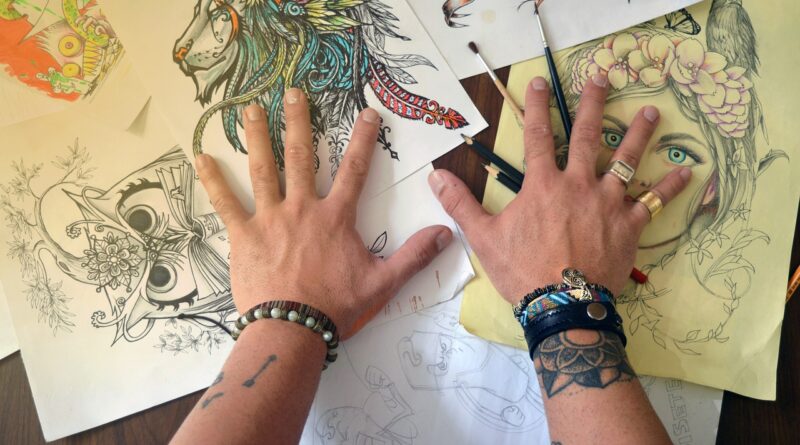
What Are the Best Tattoo Drawing Ideas for Your Next Meaningful Design?
Useful tattoo drawing ideas usually start with one clear thought, not a folder full of random references. If you are planning a custom piece, look through focused tattoo ideas, save the ones that feel close, and then ask what the drawing should still mean after the trend has passed. In August 2023, Pew Research Center reported that 32% of U.S. adults had at least one tattoo, while 69% of tattooed adults said one reason was to honor or remember someone or something. That context is worth keeping in mind: the tattoo drawings people keep liking often have a story before they have a style. (pewresearch.org)
This guide goes through drawing themes, body placement, sketch planning, and safety details, so you can build a design that works on paper and still makes sense on skin.
How Can You Choose Tattoo Drawing Ideas That Still Feel Personal?
A personal tattoo does not have to be big or dramatic. It may be a small object, a date worked into a petal count, or a line drawing that brings back a place. The main job is to move from a broad idea to one clear visual choice.
Start With a Real Scene
Think about a real scene before you choose a symbol. A mountain tattoo can look good, but the ridge behind your childhood town gives the drawing a more exact reason to be there. A wave can be nice; the coastline where you learned to swim feels more tied to you. This is how a simple drawing becomes personal without needing a long story beside it.
Write three short notes: a person, a place, and a feeling. Then turn each note into one image. For example, “grandmother, kitchen, warmth” might become a teacup with steam shaped like a small flower. It is not complicated, but it has meaning.
Turn Symbols Into Simple Sketches
Symbols work best when people can read them without effort. A moon, key, bird, flame, snake, shell, or eye can all work well, but too many symbols in one drawing can make the tattoo feel like a sheet of stickers. Choose one main symbol and let any other detail support it.
- Use one main object for quick recognition.
- Add one small detail for personal meaning.
- Keep the outline clear enough to read from a few feet away.
Match Meaning With Mood
The same idea can feel soft, bold, old-school, spiritual, or dark depending on the drawing style. A rose in fine line feels light and quiet. A rose with heavy black shading feels classic and steady. A rose drawn with thorns and broken petals feels more emotional. Before you book, choose the mood first. It gives the artist a clearer direction when drawing.
Which Tattoo Drawing Styles Work Best for First Concepts?
Style changes the final result. A decent concept can look weak in the wrong style, while a simple concept can look strong with the right line weight, spacing, and shading plan.
Fine Line and Minimal Drawings
Fine line tattoos are common because they look clean, current, and easy to place. They work well for small flowers, handwriting, stars, tiny animals, abstract faces, birth flowers, and simple memorial drawings. Even so, tiny does not mean careless. Thin lines need enough space, or the drawing may soften as the skin ages.
If you want a minimal tattoo, ask to see a version at actual size before the appointment. A sketch that looks sharp on a phone screen may be too tight at one inch wide. This matters even more for script, micro portraits, and small ornamental details.
Botanical and Animal Sketches
Flowers, leaves, insects, birds, cats, dogs, snakes, and koi fish are flexible because they can be drawn in many moods. A botanical drawing can wrap around the forearm. A pet portrait can stay gentle with a single-line style. A snake can curve with the shoulder or hip instead of sitting flat like a printed logo.
For animal tattoos, choose the feature that matters most. It may be the dog’s ears, the cat’s sleeping pose, the butterfly wing shape, or the bird’s movement. A drawing that catches one true detail often works better than a forced realistic portrait.
Geometric and Ornamental Frames
Geometric tattoo drawing ideas work well when you want balance. Circles, triangles, mandala shapes, dotted frames, and sacred geometry can hold a central image in place. They can also help connect separate tattoos later, which is useful if you are building a sleeve or patchwork layout over time.
Keep the geometry clean. Uneven circles, shaky symmetry, and crowded dots are easy to notice on skin. For this style, the stencil check matters a lot. Stand naturally, move your arm or leg, and check whether the drawing still lines up with your body.
Where Should Your Tattoo Drawing Live on the Body?
Placement is not only about pain or visibility. It changes shape, scale, detail, aging, and daily comfort. A design should fit the body like it belongs there, not like it was added at the last minute.
Small Areas for Quiet Designs
Wrist, ankle, behind the ear, finger, collarbone, and inner arm placements suit quiet drawings. Think tiny stars, initials, simple flowers, small waves, mini symbols, or short words. These areas can look neat, but they also limit detail. Small skin space needs simple art.
Finger and hand tattoos fade faster for many people because those areas are used all day. If the drawing needs to stay neat for years, talk about line thickness and touch-up expectations with the artist before you decide on the placement.
Larger Areas for Story Pieces
Forearm, upper arm, thigh, calf, back, ribs, and chest give more room for story. A larger space can hold a landscape, dragon, phoenix, full floral piece, mythological figure, ornamental frame, or family-inspired design. You do not have to fill the whole area, but the drawing has room to breathe.
For a first large tattoo, print the rough size on paper and tape it near the placement area at home for an hour. It may feel a bit odd, but it helps. You might notice that the design feels too wide, too high, or more visible than you expected.
Movement-Friendly Placement Choices
The body bends, stretches, and twists. A dagger along the forearm, vine around the ankle, or koi fish across the shoulder can look natural because the drawing follows movement. A stiff rectangle across a curved area may look awkward unless the artist adjusts it.
Ask the artist how the design changes when your arm is relaxed, raised, or bent. Good tattoo drawing is not just flat art. It has to move with you every day.
How Do You Turn a Rough Sketch Into a Tattoo-Ready Design?
A rough sketch can be messy. The tattoo-ready version is different. It needs readable lines, sensible spacing, the right size, and a clear plan for shading or color.
Clean Lines and Readable Shapes
Clean does not always mean thin. It means the drawing can be read quickly. If a rose, compass, skull, or butterfly needs too much explanation, the shapes may be too crowded. Squint at the sketch. If the main image disappears, simplify it.
Readable tattoos usually have a clear outline, enough skin breaks, and a strong focal point. Skin breaks are small untouched areas that stop the drawing from turning into one dark patch. They matter most in blackwork, traditional tattoos, and small designs.
Artist Redraws and Stencil Checks
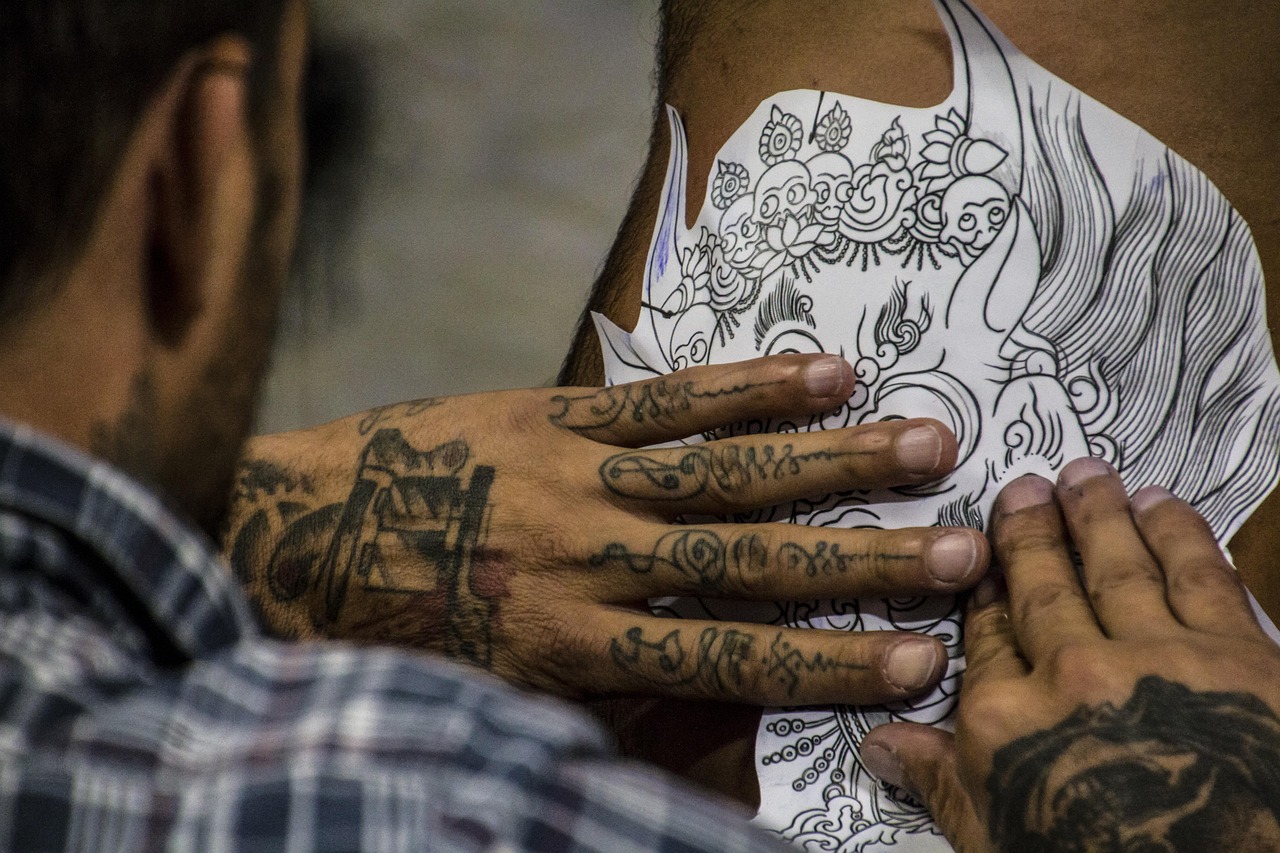
A tattoo artist may redraw your idea, and that is normal. Paper art and skin art do not follow the same rules. The artist may thicken a line, remove tiny detail, shift a flower, or change the curve so the tattoo heals better. That is not a rejection of your idea. It is part of the job. See also: tattoo care.
During the stencil check, look in a mirror from a normal distance, not only up close. Check spelling, dates, direction, symmetry, and placement. If something feels wrong, say it before the needle starts. Small doubt tends to feel much bigger after the tattoo is done.
Size Tests Before the Appointment
Ask for two or three size options. A half-inch change can make a real difference, especially with lettering, faces, ornamental lines, or small animals. Bigger often looks cleaner over time, even when the design is simple.
For script tattoos, read the words upside down, sideways, and in the mirror. It is not exciting, but it is useful. Misspelled tattoos happen often enough that this step is worth doing.
What Safety Details Should Shape Your Drawing?
A tattoo is body art, but it is also a skin procedure. The U.S. Food and Drug Administration describes a permanent tattoo as a mark made by inserting colored ink into the skin with needles or similar equipment, and it has issued guidance on reducing risks from contaminated tattoo inks. So your drawing choices should sit alongside hygiene, ink, and aftercare choices, not above them. (fda.gov)
Skin Breaks Need Clean Practice
Mayo Clinic notes that tattoos can carry risks such as skin infection and allergic reaction, especially when safety steps are poor. For you, the practical point is simple: choose a licensed studio, look for sealed needles, ask about sterilization, and follow aftercare instructions even if the tattoo is small. (mayoclinic.org)
Design can help as well. Very heavy packing, large blackout areas, and repeated passes may mean more stress on the skin. That does not make them wrong, but they need a proper talk with the artist about healing.
Ink Choices Deserve Questions
Color can change the mood of a drawing quickly. Red gives heat, blue feels calm, green suits botanical work, and black gives the strongest contrast. Color also brings practical questions. Ask what ink brand the studio uses, how bottles are stored, and whether the artist has seen common reactions with certain shades.
If you have sensitive skin, a history of allergies, or past reactions to cosmetics, speak with a health professional before booking. No public source can promise that one ink color is safe for every person, and it would be wrong to say otherwise.
Sun Care Protects the Final Look
The American Academy of Dermatology advises protecting tattooed skin in the sun with broad-spectrum, water-resistant SPF 30 or higher. It also notes that tattoos can make early signs of skin cancer harder to spot, which is another reason to avoid placing dense ink over moles or changing spots. (aad.org)
For drawing choices, this means bold contrast often holds better than pale low-contrast detail on high-sun areas. If you want a delicate design on the forearm or shoulder, plan for shade, sunscreen after healing, and normal skin checks.
What Drawing Ideas Are Worth Avoiding?
Not every idea is a bad idea for all time. Some ideas only need more time, more size, or a better artist. Avoiding regret is mostly about editing before the appointment.
Tiny Details That Blur Fast
Micro faces, tiny clocks, small feathers with many lines, and compact mandalas can look great in a fresh photo. Years later, those details may soften. Skin is not paper. It shifts, heals, sheds, tans, and ages.
If your idea depends on tiny detail, make it larger or simplify it. Keep the heart of the drawing and remove the clutter. That one edit can save the whole tattoo.
Trend Copies Without Personal Weight
Trendy tattoos are not always bad. Cyber sigils, patchwork sleeves, red ink bows, chrome butterflies, and tiny angel numbers can all look good. The issue starts when the drawing has no personal weight and no plan for future tattoos.
Pew Research Center reported in 2023 that about 24% of tattooed U.S. adults regretted at least one tattoo. That does not mean you should avoid tattoos. It means you should slow down for designs tied only to a short mood, a breakup, a meme, or a celebrity look. (pewresearch.org)
Cover-Up Plans Made Too Late
Cover-ups need space, darkness, and careful design. A pale fine-line tattoo is easier to cover than a dark block of ink. A name across the wrist is harder than a small symbol on the upper arm. If you already feel unsure, do not assume a cover-up will be easy.
The American Society for Laser Medicine and Surgery advises people seeking tattoo removal to consult a board-certified dermatologist or plastic surgeon with strong experience in tattoo removal and skin type. In plain terms, removal is a real treatment path, not a quick eraser. (aslms.org)
FAQ
Q1: What Is the Best Way to Find Original Tattoo Drawing Ideas? A: Start with personal notes, not finished tattoos. Write down people, places, objects, songs, dates, or small memories, then turn one of them into a simple image. An artist can shape that raw idea into a clean tattoo drawing.
Q2: Should a Tattoo Drawing Be Simple or Detailed? A: It depends on size and placement. Small tattoos usually need simple lines. Larger pieces can handle more detail, shading, and background. If the design looks crowded at actual size, simplify it.
Q3: Can You Bring Your Own Drawing to a Tattoo Artist? A: Yes. Bring it as a starting point, but expect the artist to adjust line weight, spacing, and shape for skin. Those edits usually help the tattoo heal and age better.
Q4: Which Tattoo Drawing Ideas Age Best? A: Clear outlines, readable shapes, balanced spacing, and solid contrast tend to age better than tiny detail. Flowers, animals, symbols, traditional motifs, and clean geometric work can all age well when sized properly.
Q5: How Long Should You Think Before Getting a Tattoo? A: For a small piece, a few weeks may be enough. For names, hands, neck, face, large work, or trend-based designs, give it more time. If you still like the sketch after it sits on your phone for a month, that is a better sign.