

Tattoo styles 2021 that shaped fine line, symbolic, and bold ink trends
Quick answer
Tattoo styles 2021 were shaped by two visible directions. One was delicate, highly shareable work: fine line, minimal, single-line, florals, astrology, and ornamental designs. The other was a post-lockdown shift toward bolder commitments, including cover-ups, larger statement pieces, visible placements, saturated color, and expanded sleeves. Contemporary 2021 coverage from Inked Magazine and Bustle repeatedly pointed to fine line surrealism, single-line tattoos, symbolic tattoos, florals, astrology, psychedelic color, red ink, dainty ornamental work, and revived tribal-influenced graphics. The key point is that not every 2021 trend was a full tattoo style. Some were motifs, placements, techniques, or cultural moments. This guide explains the difference and helps readers compare related tattoo styles without treating every trend image as timeless advice.
What tattoo styles 2021 really means
Searches for tattoo styles 2021 usually combine several different ideas. A style is a recognizable visual language, such as American traditional, Japanese, realism, blackwork, geometric, or fine line. A motif is the subject matter, such as flowers, snakes, stars, angels, eyes, skulls, or zodiac symbols. A technique describes how the tattoo is made or visually handled, such as single-needle, hand-poked, dotwork, watercolor, or heavy black shading. Placement refers to where the tattoo sits on the body, including forearms, hands, fingers, ribs, thighs, or sternum.
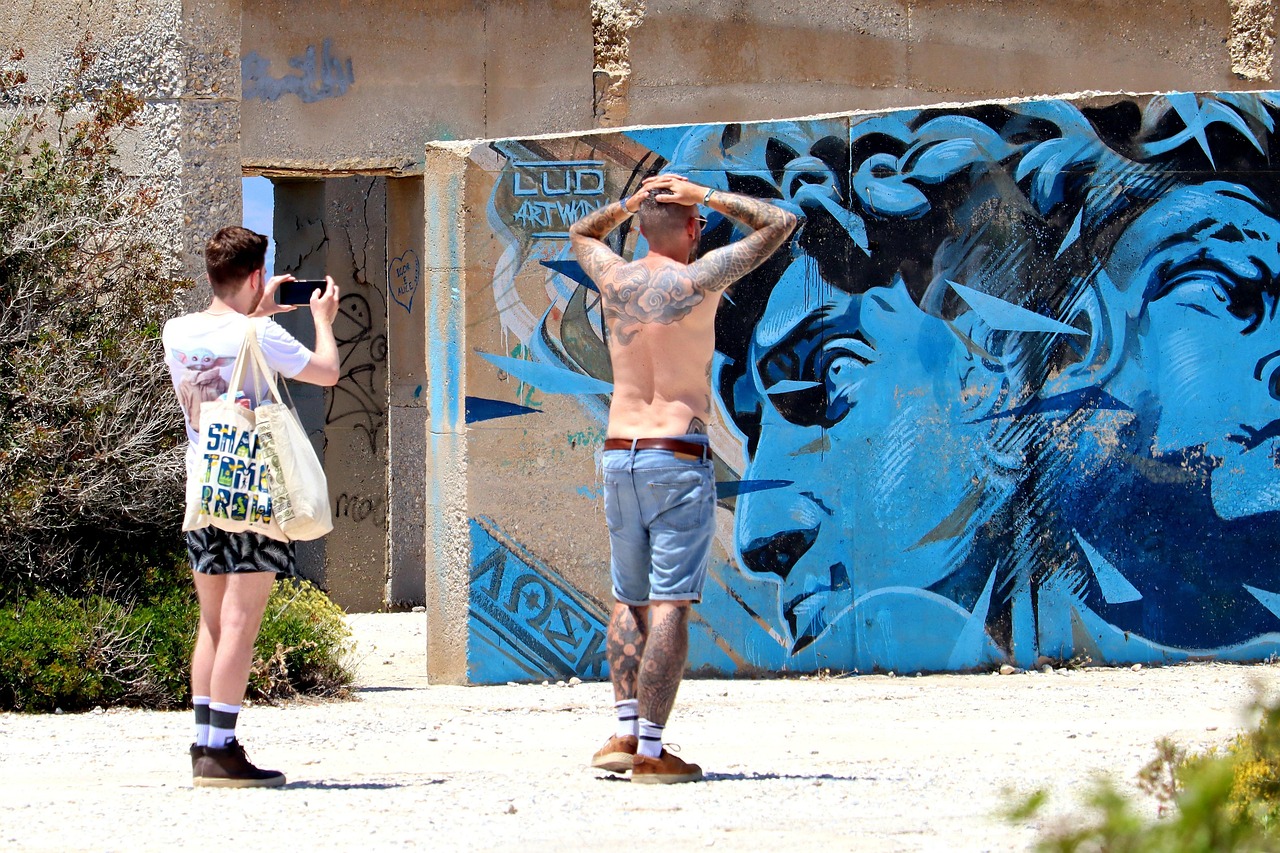
In 2021, these categories often blurred because people were searching visually. Instagram, Pinterest, celebrity tattoo coverage, and artist portfolios put small details, symbolic marks, and carefully chosen placements into the same inspiration cycle. That is why a phrase like tattoo styles 2021 can include a minimal line drawing, a full thigh piece, a cover-up plan, and a red ornamental tattoo, even though they belong to different categories.
The year also had a specific social context. TIME reported in 2021 that tattoo studios saw a rush of demand after pandemic-related closures and restrictions. Ipsos published a U.S. poll on September 1, 2021, based on fieldwork from August 27 to August 30, finding that 26% of American adults had at least one tattoo, with Millennials more likely than Gen Xers or Baby Boomers to be tattooed. That does not prove which designs were most common, but it helps explain why tattoo coverage in 2021 focused on both personal meaning and bigger commitments.
A source-led snapshot of 2021 tattoo signals
The most useful way to read 2021 trend coverage is to group repeated signals rather than copy one list. Bustle, originally publishing its 2021 tattoo trend article on December 9, 2020, discussed cover-ups, psychedelic styles, large statement pieces, symbolic tattoos, astrology, florals, visible placement, symmetry, minimal tattoos, and expansions of existing ink. Inked Magazine published a January 1, 2021 roundup that included fine art motifs, fine line surrealism, single-line tattoos, calligraphy, red ink, dainty ornamental work, and a tribal revival. Together, those sources show a year split between intimate, delicate tattoos and more visible, expressive pieces.
| 2021 signal | How it appeared | What it means for readers |
|---|---|---|
| Fine line and minimal work | Small line drawings, single-line faces, tiny symbols, delicate florals, and micro-scale details | Strong for subtle designs, but very small details require careful artist selection and realistic expectations for aging |
| Symbolic and memorial tattoos | Religious imagery, clouds, names, dates, zodiac themes, flowers, and personal emblems | Meaning-driven tattoos often outlast trend cycles because their value comes from the wearer, not only the look |
| Cover-ups and expansions | Reworking older tattoos, building sleeves, enlarging small tattoos, and choosing more visible placements | These were project types rather than styles, but they show how 2021 became a year of revision and commitment |
| Bold color and psychedelic influence | Bright palettes, saturated red, surreal illustration, bold black lines, and decorative color accents | Color can create strong visual impact, but the plan should consider contrast, skin tone, aftercare, and future touch-ups |
| Ornamental, geometric, and tribal-influenced designs | Symmetry, mandalas, pattern work, framing shapes, and revived tribal graphics | Pattern-based tattoos can age well when built with enough space, but cultural references should be handled with respect |
The styles that defined the year
Fine line, minimal, and single-line tattoos
Fine line was one of the clearest visual signatures around 2021. It covered a wide range of work: tiny symbols, minimalist portraits, delicate script, botanical drawings, single-line faces, miniature animals, and lightly shaded surreal compositions. The appeal was easy to understand. These tattoos photographed well, worked on visible but small areas, and allowed first-time clients to choose something personal without committing to a large block of ink.
The limitation is that fine line is not the same as simple. A clean small tattoo can require very controlled needle depth, spacing, and composition. Extremely tiny lettering, compressed portraits, and dense micro-realism may look sharp when fresh but lose definition as the skin naturally changes. A 2021-inspired fine line tattoo is usually stronger when the design is simplified, given enough breathing room, and placed where friction and sun exposure can be managed.
Florals, astrology, symbolism, and memorial work
Flowers, moon phases, star signs, religious emblems, dates, names, and memorial symbols appeared repeatedly in 2021 trend coverage. These subjects were not new, but they fit the mood of the year. After long periods of uncertainty, many clients wanted tattoos that marked identity, grief, survival, relationships, or belief. A later Pew Research Center survey conducted in July 2023 found that honoring or remembering someone or something was the most common reason tattooed U.S. adults gave for having a tattoo, which helps explain why symbolic designs continue to remain relevant beyond their trend moment.
For readers choosing a symbolic tattoo, the best question is not whether the motif was popular in 2021. It is whether the symbol has enough personal clarity to matter after the visual trend fades. A fine line rose, a birth flower, or a moon phase can become generic if copied directly from a viral image, but it can feel specific when the artist adapts the scale, placement, and details to the wearer.
Cover-ups, expansions, and larger statement pieces
One of the more important 2021 signals was not a design style at all. It was the desire to change existing tattoos. Bustle featured artist predictions about cover-ups and expansions, while broader 2021 reporting described strong demand as shops reopened or caught up after shutdown periods. In practical terms, more people were not just adding tiny tattoos. They were revising old work, turning small pieces into sleeves, choosing large thigh or forearm pieces, and making tattoos more visible.
Cover-ups require a different mindset than fresh tattoos. The new design must account for the darkness, shape, size, scar tissue, and placement of the old piece. Not every fine line idea can cover a bold old tattoo. Blackwork, florals with deeper shading, illustrative animals, traditional designs, ornamental panels, and larger geometric compositions often give artists more structure to hide or redirect the previous image. A successful cover-up is usually designed around the existing tattoo rather than placed over it as if the skin were blank.
Psychedelic color, red ink, and decorative accents
Another 2021 direction moved away from quiet minimalism. Psychedelic illustration, bold black outlines, bright color, red ink, paint swatch concepts, galaxy details, and decorative accents all appeared in trend coverage. These looks reflected a wider appetite for expressive, playful, and highly visible work. Red was especially noticeable as both a full-color choice and an accent in otherwise black designs.
Color decisions should be made with the artist, not only from a saved image. Saturation, contrast, undertone, skin tone, placement, and aftercare all affect how color settles. The U.S. Food and Drug Administration notes that tattoo inks can be associated with infections or allergic reactions and that even sealed containers can potentially be contaminated. That does not mean color tattoos should be avoided, but it does mean clients should use licensed studios, ask sensible questions about inks and hygiene, and take healing instructions seriously.
Ornamental, geometric, symmetry, and tribal-influenced looks
Pattern-driven tattoos were another strong part of the 2021 conversation. Dainty ornamental work, mandalas, geometric balance, symmetrical compositions, and revived tribal-influenced graphics all offered an alternative to tiny pictorial tattoos. These designs can frame the body effectively because they rely on flow, repetition, and placement rather than a single small symbol. See also: tattoo care.
The caution is both cultural and technical. Tribal, Polynesian, Indigenous, sacred geometry, and ornamental references are not interchangeable decoration. Some patterns carry specific cultural, family, spiritual, or regional meaning. A reader can appreciate the visual strength of black pattern work while still asking whether a design should be adapted, credited, avoided, or created in collaboration with an artist who understands the reference. Technically, pattern tattoos need clean spacing and body-aware layout. A symmetrical stencil can look awkward if it ignores how the body moves.
Trend, motif, technique, or true style
One of the most useful steps for readers is sorting 2021 buzzwords into the right category. This reduces confusion during an artist consultation and makes inspiration boards more practical.
| Term people searched | Better category | Why the distinction matters |
|---|---|---|
| Fine line | Technique and style family | It describes delicate line weight, but it can be used for florals, script, portraits, symbols, or abstract work |
| Minimal tattoo | Style direction | It describes reduction and simplicity, not a specific subject |
| Astrology tattoo | Motif | It can be fine line, illustrative, blackwork, ornamental, or traditional depending on execution |
| Cover-up | Project type | The design must solve an existing tattoo, so style choice is partly technical |
| Visible placement | Placement choice | Hands, fingers, necks, and forearms affect lifestyle, fading, and work visibility differently |
| Red ink tattoo | Color choice | The final style depends on linework, shading, subject, and contrast |
This distinction matters because a strong tattoo brief is specific. Instead of saying only that you want a 2021 tattoo style, you might say: a fine line botanical design on the inner forearm, a blackwork cover-up with floral shading, a symbolic astrology piece with ornamental framing, or a bold psychedelic illustration with red accents. That language gives the artist a real starting point.
How to choose a 2021-inspired tattoo without making it feel dated
A trend-inspired tattoo does not have to become a dated tattoo. The key is to borrow the useful idea, not the exact viral image. A 2021 fine line look can become more durable when the design has enough spacing. A symbolic tattoo can feel less generic when the artist creates a custom composition. A red accent can work better when it is part of a clear value structure rather than the only point of interest. A large statement piece can age more gracefully when it follows the body instead of fighting the body.
- Start with the category. Decide whether you want a style, a motif, a technique, or a placement before collecting references.
- Choose the right specialist. A fine line artist, a cover-up artist, a geometric artist, and a color illustrator may have very different strengths.
- Ask about aging honestly. Tiny lettering, micro portraits, finger tattoos, and dense detail need a realistic conversation about fading and touch-ups.
- Respect cultural references. Pattern work and tribal-influenced designs should not be treated as anonymous decoration.
- Think past the fresh photo. A tattoo is worn in motion, under clothing, in sunlight, and through years of skin change.
Safety and longevity matter as much as style
The visual trend is only one part of a good tattoo decision. The FDA explains that state and local authorities oversee the practice of tattooing, while tattoo inks and pigments are subject to FDA oversight as cosmetics. The agency also notes reports of infections and allergic reactions linked to tattoo inks. CDC guidance from its report on tattoo-associated nontuberculous mycobacterial skin infections advised consumers to use registered parlors, request inks made specifically for tattooing, ensure hygienic practices, and seek medical advice if persistent skin problems occur.
For a 2021-inspired tattoo, that guidance is especially relevant to hand-poked looks, tiny detail, color-heavy designs, and cover-ups. The design may be fashionable, but the practical questions remain the same: Is the studio properly licensed where required? Does the artist use sterile equipment and single-use supplies? Are inks handled safely? Do you understand the healing plan? A strong style choice can be undermined by poor execution or unsafe conditions.
Frequently asked questions
What tattoo styles were popular in 2021?
Repeated 2021 coverage pointed to fine line, minimal, single-line, symbolic, floral, astrology, psychedelic color, red ink, ornamental, geometric, cover-up, and larger statement tattoos. Some of these are true style families, while others are motifs, colors, placements, or project types.
Are fine line tattoos from the 2021 trend still a good idea?
They can be, but the design should be planned carefully. Fine line tattoos work best when the artist has a strong portfolio of healed work, the design is not overcrowded, and the placement is chosen with aging and friction in mind.
Did small tattoos or large tattoos define 2021 more?
Both did. Minimal and fine line tattoos remained highly visible in trend coverage, but 2021 also brought attention to larger statement pieces, cover-ups, visible placements, and expansions of existing tattoos into sleeves or bigger compositions.
What is the safest way to follow a tattoo trend?
Use the trend as direction rather than a template. Choose a qualified artist, ask to see healed examples, avoid copying another person’s custom tattoo, and follow professional aftercare. For health concerns, follow guidance from medical professionals and public health agencies.
Which 2021 tattoo idea is least likely to feel dated?
Personal symbolism, well-composed florals, body-aware ornamental work, and custom designs usually age better emotionally than copied viral images. The more the tattoo is adapted to the wearer, the less it depends on the exact year it became popular.