
Can Tattoo Recovery Cream Truly Extend the Longevity of New Ink
Proper Aftercare Can Help Your New Tattoo Last Longer — Here’s What Experts Recommend
A tattoo’s beauty doesn’t end when the needle stops. Its longevity depends largely on how the skin heals and how well it’s cared for afterward. Proper aftercare, particularly the use of a high-quality tattoo recovery cream, supports regeneration, maintains pigment clarity, and protects against environmental stressors. Experts agree that consistent moisture balance, UV protection, and gentle maintenance are essential to keeping tattoos sharp and vibrant for years.
The Science Behind Tattoo Longevity
Tattoo durability begins at the cellular level. Once ink is embedded into the dermis, biological processes determine how pigments settle and remain stable over time. Understanding this interplay between skin physiology and external influences helps explain why aftercare products matter so much.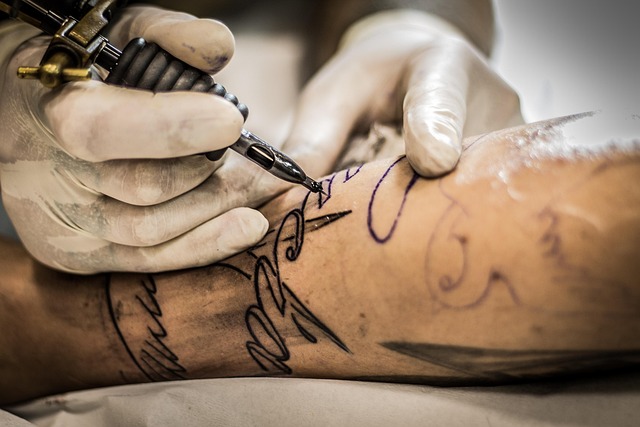
The Biological Process of Tattoo Healing
Tattooing introduces pigment into the dermal layer through micro-injury. This triggers an inflammatory response where immune cells surround ink particles. Over several days, fibroblasts begin collagen production while keratinocytes migrate to rebuild the epidermis. This process seals pigment in place but also determines its eventual clarity. If healing is disrupted by dryness or infection, scarring can distort lines or cause patchy fading. Proper wound care minimizes such risks by maintaining hydration without suffocating the skin.
Factors Affecting Ink Stability Over Time
Several variables influence long-term color retention. UV exposure remains the most common culprit for fading; ultraviolet light breaks down pigment molecules through oxidation. Hydration levels also play a role—dehydrated skin loses elasticity, making tattoos appear duller or distorted. Skin type further affects pigment reflection: oily skin may blur fine details faster than dry or balanced types. Additionally, immune system activity continues to slowly digest ink particles over years, explaining why older tattoos often appear softer in tone.
The Role of Tattoo Recovery Cream in the Healing Process
Aftercare products are more than cosmetic; they serve as bioactive support systems during tissue repair. A well-formulated tattoo recovery cream can modulate inflammation, enhance moisture retention, and reinforce barrier integrity—all critical for preserving pigment quality.
Composition and Active Ingredients in Recovery Creams
Most professional-grade creams combine emollients and humectants such as panthenol, vitamin E, shea butter, and hyaluronic acid. Panthenol aids epithelial repair by improving hydration within deeper layers. Vitamin E acts as an antioxidant that neutralizes free radicals generated during healing. Shea butter supplies fatty acids that restore lipid balance, while hyaluronic acid binds water molecules to maintain suppleness. The formulation’s stability determines how effectively these ingredients penetrate regenerating tissue without clogging pores.
Mechanisms of Action on Skin Regeneration
Hydration is central to epidermal renewal because it supports keratinocyte migration across micro-wounds. Anti-inflammatory components like panthenol or aloe derivatives reduce redness and swelling while limiting excessive scab formation that could lift pigment prematurely. Enhanced lipid barrier function provides a breathable shield against pollutants and microbes during early healing stages when skin remains vulnerable.
Comparing Recovery Creams to Traditional Aftercare Methods
Historically, petroleum-based ointments dominated tattoo aftercare routines due to their occlusive nature. However, dermatological research now favors lighter formulations that allow oxygen exchange—vital for tissue metabolism and pigment stabilization.
Ointments vs. Specialized Recovery Creams
Petroleum jelly forms a heavy film that locks in moisture but can trap heat and bacteria if applied too thickly. In contrast, modern recovery creams create semi-occlusive layers that breathe while maintaining optimal hydration levels. Their lighter texture encourages user compliance since they absorb quickly without leaving residue on clothing or bedding—an often-overlooked factor influencing real-world outcomes.
Evaluating Clinical Evidence on Efficacy
Controlled trials comparing untreated wounds with cream-treated areas consistently show faster re-epithelialization rates among those using specialized formulations containing panthenol or ceramides. Peer-reviewed dermatology studies also highlight reduced infection risk when balanced moisturizers are used instead of occlusive ointments alone. Longitudinal observations suggest that early aftercare correlates strongly with long-term pigment uniformity; tattoos healed under stable moisture conditions tend to retain sharper outlines even after several years.
Environmental and Lifestyle Influences on Tattoo Preservation
Once healed, tattoos face ongoing exposure to environmental stressors that accelerate fading or distortion. Daily habits—from sunbathing to clothing choice—can significantly alter their appearance over time.
External Factors That Accelerate Fading
UV radiation remains the primary external factor degrading ink molecules through photochemical reactions that desaturate color pigments. Chlorinated pool water strips protective oils from skin surfaces, increasing dryness around tattooed areas. Harsh detergents used in laundry can have similar effects by eroding outer layers of keratinized cells that normally buffer against abrasion. Even repeated friction from tight fabrics gradually blurs fine details along edges or shaded gradients.
Internal Physiological Variables Affecting Longevity
Age-related changes in collagen density reduce elasticity around tattooed regions, subtly distorting shapes as skin loosens. Nutritional deficiencies—particularly low protein or vitamin C intake—impair collagen synthesis necessary for maintaining firmness beneath pigments. Hormonal fluctuations may alter melanin distribution near tattoos, occasionally shifting perceived tone slightly darker or lighter depending on individual physiology.
Integrating Recovery Cream Into a Comprehensive Aftercare Routine
Consistent application routines transform short-term healing into long-term preservation strategies. Using tattoo recovery cream correctly ensures both comfort during repair and sustained vibrancy afterward.
Optimal Application Protocols for Maximum Benefit
Application frequency should match natural healing phases: two to three times daily during initial inflammation (first week), tapering as peeling subsides around day 10–14. Thin layers are preferable; thick coatings may block pores or delay oxygen flow critical for cell turnover. Gentle cleansing before each application removes plasma residue without stripping oils needed for hydration balance.
Long-Term Maintenance Strategies Beyond Initial Healing Phase
Even months later, continued use of hydrating formulations supports smooth texture and prevents micro-cracking that dulls colors over time. Incorporating broad-spectrum SPF daily slows UV-induced degradation of ink molecules—a simple yet often neglected step with measurable benefits in pigment retention studies published by dermatological journals under ISO-certified testing standards (ISO 24443). Occasional mild exfoliation using non-abrasive scrubs keeps surface buildup minimal without compromising underlying color density.
Evaluating the Real Impact of Recovery Cream on Tattoo Longevity
Assessing effectiveness involves more than immediate comfort; it requires observing how tattoos age under consistent care versus neglectful routines.
Indicators of Effective Aftercare Outcomes
Reduced scabbing correlates directly with smoother pigment distribution once healed because less crust formation means fewer disruptions to embedded ink patterns. Enhanced elasticity from regular moisturization maintains crispness in line work across movement-prone areas like wrists or elbows. Balanced hydration levels prevent cracking during seasonal dryness cycles—a frequent cause of uneven fading noted by professional artists worldwide.
Expert Perspectives on Product Selection
Dermatologists typically advise non-comedogenic formulations suitable for sensitive post-procedure skin since blocked pores can trigger folliculitis near fresh tattoos. Experienced tattooists favor creams offering breathable coverage rather than heavy occlusion to avoid suffocating regenerating tissue layers. Ingredient transparency has become increasingly valued among practitioners seeking predictable results aligned with clinical evidence rather than anecdotal claims—a shift reflecting broader consumer demand for scientific accountability within cosmetic dermatology sectors monitored by organizations like IEEE Life Sciences Initiative focusing on biocompatible materials research.
FAQ
Q1: How soon should tattoo recovery cream be applied after finishing a session?
A: It should be applied once initial bleeding stops and the area is gently cleaned—typically within two hours—to maintain moisture balance without trapping heat.
Q2: Can sunscreen replace recovery cream during early healing?
A: No, sunscreen ingredients may irritate open skin; SPF protection becomes appropriate only after full epithelial closure occurs about two weeks post-procedure.
Q3: Is petroleum jelly safe for all tattoos?
A: While it prevents dehydration initially, prolonged use can hinder oxygen flow essential for healthy regeneration; lighter creams are generally preferred beyond day 3–4.
Q4: How long should one continue using recovery cream?
A: Regular use is recommended throughout the first month then intermittently whenever dryness appears since consistent hydration sustains color brightness long term.
Q5: Does diet influence tattoo longevity?
A: Yes, adequate protein intake supports collagen synthesis while antioxidants from fruits help neutralize oxidative stress affecting both skin tone and pigment stability over time.