How Does Body Placement For Tattoos Influence 6 Finger Tattoo Ideas
6 Finger Tattoo Ideas That Are Perfect for This Tricky Placement
Finger tattoos sit at the intersection of art, anatomy, and endurance. Their small surface area demands precision, while constant hand movement tests the tattoo’s durability. The best designs balance simplicity with symbolism, adapting to the finger’s unique structure. For artists and collectors alike, success lies in understanding how body placement for tattoos affects both design and longevity. Among all placements, fingers remain one of the most challenging yet rewarding canvases when executed thoughtfully.
The Influence of Body Placement on Tattoo Design
Finger tattoos are shaped by anatomy as much as by aesthetics. The finger’s skin behaves differently from other parts of the body, and even minor shifts in placement can alter how a design looks or heals.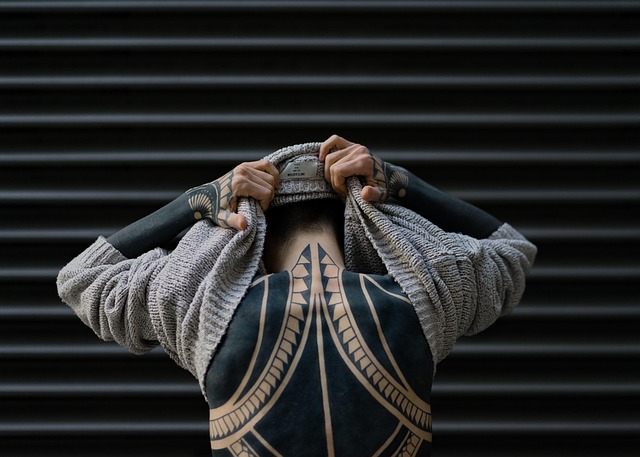
Anatomical Considerations for Finger Tattoos
The finger offers limited real estate. Artists must work within narrow margins where complex imagery easily blurs. Each finger has distinct skin texture and thickness; for example, the outer knuckles have tougher dermal layers that resist ink penetration, while inner sides are softer but more prone to fading. Constant bending and friction from daily use accelerate pigment breakdown, meaning even well-done tattoos may lose crispness faster than those on flatter surfaces like forearms.
Visibility and Symbolic Placement on Fingers
Finger tattoos are rarely hidden. They serve as visible extensions of identity—whether a minimalist symbol or a cultural motif. Placement matters: designs on the top of fingers catch immediate attention, while side or inner-finger positions offer subtlety. In professional settings, visibility can influence perception; some industries still associate visible tattoos with informality. Yet culturally, finger tattoos often symbolize commitment or personal transformation—rings of permanence rather than fashion statements.
Technical Challenges in Finger Tattoo Application
Tattooing fingers demands technical finesse beyond standard practice. The artist must adapt to irregular contours and unpredictable healing behavior.
Ink Retention and Healing Dynamics
Fingers have thinner epidermal layers and faster cell regeneration rates than other areas. As a result, ink disperses more quickly over time. Frequent washing and sun exposure further weaken pigment retention. Healing can be uneven since hands are constantly active—bandaging is tricky, and scabbing may disrupt delicate linework.
Techniques to Optimize Longevity in Finger Tattoos
Experienced artists counter these challenges through controlled technique. Adjusting needle depth prevents blowouts while ensuring adequate pigment saturation. Some prefer thicker inks formulated for high-movement zones. Minimalist line work—clean strokes with intentional spacing—ages better than dense shading or micro-detailing. Aftercare plays a decisive role: consistent moisturizing and protection from UV exposure extend color life considerably.
Design Adaptation: Creating Art That Fits the Finger Form
Designing for fingers means scaling down without losing impact. Every millimeter counts; clarity depends on restraint rather than elaboration.
Scaling and Simplifying Complex Designs
Detailed imagery often fails when reduced to fingertip size. Simplified geometric forms or symbolic motifs maintain readability despite wear over time. Negative space becomes an ally—it defines shape boundaries without overcrowding limited skin area. Artists frequently test miniature sketches on paper first to gauge proportion before applying stencil.
Orientation and Flow Along the Hand Structure
A well-placed tattoo moves naturally with the hand’s anatomy. Aligning lines along joints maintains visual harmony during flexion or rest. Vertical placements elongate appearance, while horizontal bands emphasize symmetry across digits. Some clients mirror designs across both hands to create cohesive flow when fingers interlock or move together—a subtle but powerful aesthetic detail.
Exploring Six Distinct Finger Tattoo Ideas Suited for This Placement
Beyond technical mastery lies creativity—the ability to craft designs that feel intimate yet enduring within such confined space.
Minimalist Symbolic Marks
Tiny icons like arrows, dots, or initials convey meaning through simplicity. These marks suit professionals seeking discreet expression that doesn’t overpower their appearance. Despite minimalism, symbolism remains potent: a single dot can represent continuity; an arrow might signify direction or resilience.
Ornamental Line Work and Bands
Fine-line bands emulate jewelry without physical weight. When wrapped precisely around joints or phalanges, they mimic rings yet remain uniquely personal artworks. Repetitive filigree patterns test an artist’s precision but reward with timeless elegance reminiscent of ancient adornment traditions.
Micro Lettering Concepts
Lettering on fingers demands careful font selection since legibility diminishes at small scales. Short words—names, virtues, initials—fit naturally along sides or undersides where they’re shielded from direct abrasion. Serif-free fonts hold up better under movement stress compared to ornate scripts that blur over time.
Botanical or Nature-Inspired Elements
Nature lends itself beautifully to organic flow along curved surfaces. Small leaves wrapping around knuckles or delicate vines trailing between joints complement natural motion of fingers opening and closing. Floral outlines emphasize softness against structural rigidity of bone beneath skin—a pleasing contrast appreciated by both artists and collectors.
Abstract Geometric Patterns
Triangles, intersecting lines, or minimalist grids translate well onto slender surfaces due to their balanced proportions. When extended across multiple fingers, they form dynamic compositions visible only when hands align—a creative play between concealment and revelation that appeals to design-focused clients.
Cultural or Spiritual Symbols Adapted for Fingers
Tiny mandalas, runes, or sacred geometry elements carry deep personal resonance despite size constraints. In some traditions, specific fingers correspond to spiritual energies—the ring finger symbolizing connection or devotion; the index representing action or leadership—making placement itself part of meaning construction rather than mere decoration.
Professional Insights on Balancing Aesthetics and Functionality in Finger Tattoos
Achieving lasting beauty requires collaboration between artist expertise and client intent—a partnership grounded in realism about what this placement can sustain long term.
Collaboration Between Artist Expertise and Client Intentions
Successful outcomes begin with honest consultation about anatomical limits and lifestyle factors affecting wearability. Skilled artists translate client ideas into feasible designs without compromising clarity or durability expectations. Educating clients about maintenance needs fosters satisfaction beyond initial session results.
Long-Term Maintenance Strategies for Finger Tattoos
Even with meticulous execution, fading is inevitable due to constant exposure and regeneration cycles unique to hand skin biology. Regular moisturizing keeps pigment vibrant by preventing dryness-induced cracking that distorts lines over years. Periodic touch-ups every one to two years maintain sharpness—an accepted part of ownership rather than failure of technique.
FAQ
Q1: Why do finger tattoos fade faster than others?
A: The skin on fingers regenerates quickly due to frequent movement and washing, causing pigments to break down sooner compared with less active areas like shoulders or thighs.
Q2: Can detailed images be done on fingers?
A: Extremely fine details often blur because there isn’t enough stable surface area; simplified symbols retain clarity longer.
Q3: How painful are finger tattoos?
A: Pain levels are higher since fingers have thin skin over bone with fewer fat layers cushioning vibration from needles.
Q4: How long does healing take?
A: Initial healing typically completes within two weeks but full stabilization may take several months depending on aftercare consistency.
Q5: What type of designs age best on fingers?
A: Minimalist line work using bold shapes ages best because it resists distortion from motion and retains legibility after natural fading cycles common in this body placement for tattoos.