
Can Japanese Style Tattoo Designs Transform Pokémon into Cultural Icons
Tattoo Artist Gives Pokémon a Traditional Japanese Makeover
In recent years, Japanese style tattoo designs have evolved into a sophisticated dialogue between heritage and pop culture. A new generation of artists has begun reimagining Pokémon through the lens of Irezumi, the centuries-old art of Japanese tattooing. This fusion does more than blend two visual languages—it reframes global icons within a traditional aesthetic philosophy. By applying symbolic motifs, disciplined composition, and narrative depth, these reinterpretations elevate Pokémon from entertainment figures to cultural archetypes rooted in mythic storytelling.
The Intersection of Japanese Tattoo Art and Pop Culture
The meeting point between Japanese tattoo tradition and modern pop culture reflects both continuity and transformation. While Irezumi remains anchored in ritual symbolism, its adaptation to contemporary subjects reveals how tradition can evolve without losing integrity.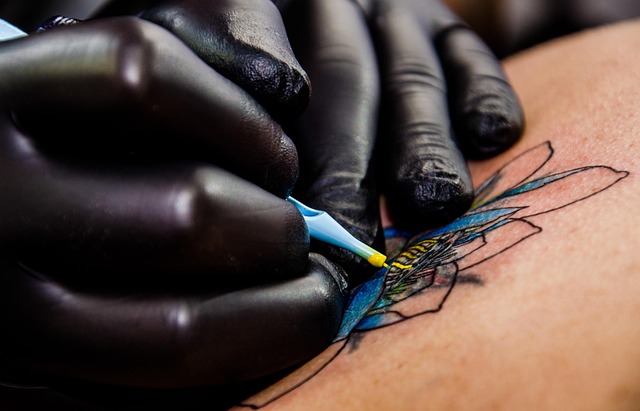
Historical Roots of Japanese Tattoo Aesthetics
Traditional Japanese tattooing, or Irezumi, developed as an art form emphasizing moral tales, spiritual protection, and personal identity. Each motif—whether dragon, koi fish, cherry blossom, or wave—carries layered meanings tied to folklore and Buddhist iconography. The discipline follows strict compositional rules: balanced color schemes, flowing lines that conform to body curvature, and symbolic placement across limbs or torso. Historically worn by samurai or laborers as talismans of courage and endurance, these tattoos became visual narratives etched into the skin.
The Emergence of Pop Culture in Traditional Art Forms
As Japan’s media exports gained global traction, tattoo artists began merging anime aesthetics with classical Irezumi structure. This blending challenges long-held distinctions between fine art and fan expression. Within this context, Pokémon reinterpretations have become emblematic—artists translate digital creatures into hand-rendered myths while maintaining the gravitas of Edo-period design principles. The result is not parody but homage: a visual synthesis that respects both cultural heritages.
Reimagining Pokémon Through Japanese Style Tattoo Designs
The creative process behind adapting Pokémon into Irezumi-inspired works involves more than stylistic mimicry; it requires conceptual translation. Artists must interpret each character’s essence through traditional symbolism while preserving anatomical flow and emotional resonance.
Translating Pokémon Characters into Irezumi Symbolism
Every Pokémon type finds natural parallels within classical motifs: fire types align with dragons or phoenixes symbolizing transformation; water types resonate with koi or crashing waves representing perseverance; electric types echo thunder deities like Raijin. Translating these creatures demands rethinking their digital simplicity into layered compositions that honor centuries-old storytelling conventions. This symbolic reinterpretation adds philosophical weight—transforming playful icons into embodiments of virtue or struggle.
Artistic Techniques Used in the Transformation Process
Artists employ traditional linework known as horimono—bold outlines filled with gradient shading to create depth and motion. Color application follows hierarchical logic: darker tones anchor the design while brighter pigments highlight energy flow. Many compositions adopt sleeve or backpiece formats where backgrounds such as wind bars or clouds unify disparate elements into cohesive narratives. The process preserves anatomical rhythm so that movement across muscles mirrors natural currents found in ukiyo-e woodblock prints.
Cultural Implications of Merging Pokémon with Traditional Japanese Art
This artistic hybridization opens complex debates about ownership, authenticity, and cultural exchange. It illustrates how global franchises can be localized through indigenous aesthetics without diluting either source tradition.
Redefining Cultural Ownership and Global Exchange
When artists reimagine Pokémon using Irezumi techniques, they engage in a form of cultural negotiation rather than appropriation. These works demonstrate how Japan’s own traditions adapt under globalization’s influence—absorbing external symbols yet expressing them through native visual grammar. Such reinterpretations highlight an ongoing dialogue between preservation and reinvention within contemporary art practice.
The Role of Artists as Cultural Mediators
Tattoo artists serve as mediators bridging historical craftsmanship with digital-age mythology. Their reinterpretations invite reflection on how craftsmanship survives technological change while remaining emotionally relevant to new audiences. By merging heritage forms with mass-media imagery, they sustain traditional skills through renewed purpose rather than nostalgia.
The Aesthetic Philosophy Behind Japanese Style Tattoo Designs Applied to Pokémon
The philosophy guiding this fusion is not mere decoration but narrative integration—each piece functions as a story encoded in linework and color harmony.
Symbolism and Narrative Integration in Design Composition
A successful design merges mythic resonance with character lore: for instance, depicting Charizard surrounded by stylized flames shaped like lotus petals transforms a game creature into an allegory for rebirth through fire. Artists rely on rhythmic repetition of patterns to evoke balance while color palettes express emotional tone rather than literal replication from animation models. Through this method, each work conveys inner spirit rather than surface likeness.
Balancing Respect for Tradition with Contemporary Innovation
Maintaining fidelity to Irezumi conventions ensures reverence toward its spiritual roots even when applied to entertainment subjects. Ethical artistry lies in acknowledging sacred motifs’ origins while extending them into new contexts responsibly. For many practitioners, this balance determines whether their work transcends novelty to achieve lasting cultural value—a dialogue between respect for lineage and freedom of interpretation.
How Japanese Style Tattoo Designs Elevate Pokémon into Cultural Icons
This creative movement reframes familiar characters within a mythological framework that deepens their symbolic resonance far beyond gaming culture.
From Entertainment Characters to Mythic Archetypes
When rendered through traditional symbolism, Pokémon cease being commercial mascots; they become embodiments of timeless archetypes such as guardianship, transformation, or wisdom. A Gyarados rendered in full-back Irezumi style evokes the same awe once reserved for dragons guarding temple gates—a reminder that myth continually renews itself through new vessels.
Influence on Global Tattoo Culture and Visual Arts Discourse
The popularity of these reinterpretations has influenced international tattoo communities seeking cross-cultural synthesis within their own practices. Scholars now discuss such works within frameworks of postmodern hybridity—where boundaries between folk art and mass media blur productively rather than destructively. In this way, contemporary tattooing asserts itself as both artistic commentary and living cultural archive.
FAQ
Q1: Why are Japanese style tattoo designs significant in modern pop culture?
A: They bridge ancient symbolism with contemporary themes, allowing traditional craftsmanship to remain relevant amid digital media influences.
Q2: How do artists maintain authenticity when merging pop culture icons like Pokémon with Irezumi?
A: By adhering to core principles of composition, symbolism, and respect for sacred imagery while creatively adapting subject matter.
Q3: What makes the reinterpretation of Pokémon unique compared to other fan art?
A: It transforms characters into spiritual symbols rooted in mythological context rather than simply replicating visual likenesses.
Q4: Are these tattoos accepted within Japan’s conservative view on body art?
A: Acceptance is growing slowly as younger generations view tattoos less as taboo markers and more as expressions of cultural fusion.
Q5: How has this trend influenced global tattoo practices?
A: It has inspired artists worldwide to explore cross-cultural aesthetics that merge local traditions with globally recognized imagery.