
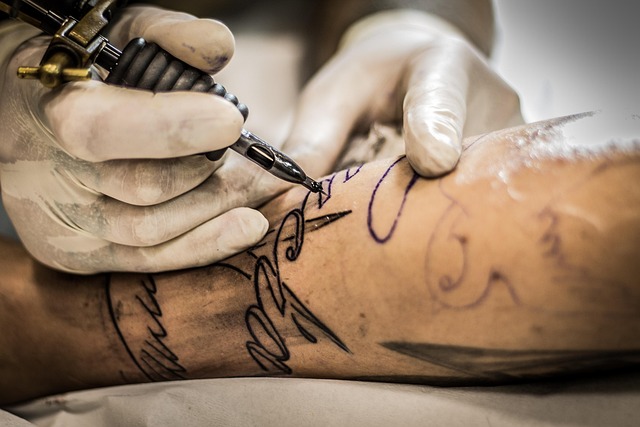
What Makes the Best Healing Tattoo Cream Essential for Expert Aftercare
You Just Got a Tattoo. How Do You Look After It?
A new tattoo is both an art investment and a wound that needs careful management. The best healing tattoo cream plays a central role in this process, helping the skin recover while preserving pigment clarity. Immediately after tattooing, the skin’s barrier is compromised and vulnerable to infection, dehydration, and pigment loss. Professional aftercare relies on maintaining moisture balance, supporting regeneration, and avoiding ingredients that can irritate or suffocate the skin. By choosing a purpose-formulated healing cream and following structured care phases, one can protect both the artwork and the skin’s long-term health.
Understanding the Role of Healing Creams in Tattoo Aftercare
Tattoo aftercare is more than cosmetic maintenance; it’s a biological process involving inflammation control, tissue repair, and pigment stabilization. Healing creams are designed to assist these processes by regulating hydration and shielding the open skin from contaminants.
The Science Behind Skin Healing After Tattooing
Tattooing creates micro-injuries across the dermal layer where pigments are deposited. The body responds with inflammation to remove debris and initiate repair. During this stage, macrophages engulf pigment particles while fibroblasts begin collagen synthesis to rebuild tissue integrity. Maintaining proper moisture prevents thick scabbing that can pull out ink during exfoliation. Balanced hydration also supports keratinocyte migration, which accelerates re-epithelialization.
Why Specialized Healing Creams Are Necessary
Generic moisturizers often contain fragrances, alcohols, or occlusive petroleum derivatives that can hinder recovery by clogging pores or trapping bacteria. Specialized healing creams use biocompatible emollients and humectants tailored for damaged epidermis. They create a breathable film that locks in moisture yet allows oxygen exchange—critical for wound healing. These formulations also include anti-inflammatory compounds that reduce redness and irritation while promoting collagen formation.
Key Components That Define a High-Quality Healing Tattoo Cream
The composition of a healing cream determines how effectively it supports recovery without compromising color stability or comfort. Professionals evaluate ingredient lists as carefully as they assess ink quality.
Essential Ingredients for Optimal Recovery
Panthenol (provitamin B5) enhances hydration by attracting water molecules into the stratum corneum while stimulating epithelial cell proliferation. Allantoin soothes irritation and encourages new tissue growth, reducing peeling discomfort. Vitamin E acts as an antioxidant to protect lipid membranes from oxidative stress during regeneration. Natural oils such as jojoba or shea butter mimic skin’s own sebum profile, preventing transepidermal water loss without blocking pores. Additionally, mild antimicrobial agents like zinc oxide or silver citrate help prevent bacterial contamination during early healing.
Ingredients to Avoid in Aftercare Formulations
Petroleum-based ointments can suffocate freshly tattooed skin by forming impermeable layers that delay oxygen flow and prolong inflammation. Artificial fragrances or alcohol derivatives often trigger contact dermatitis in sensitized individuals. Heavy occlusives not only trap heat but may also foster anaerobic bacterial growth beneath the surface film—conditions unfavorable for clean healing.
How the Best Healing Tattoo Cream Supports Expert-Level Aftercare Practices
Professional tattoo artists emphasize that aftercare is half of the art itself. The right cream complements sterile technique by sustaining controlled hydration through each phase of recovery.
Maintaining Moisture Balance Without Overhydration
Overapplication of creams leads to excessive softness in forming scabs, which increases pigment loss when those layers detach prematurely. Controlled hydration means applying thin coats two to three times daily depending on climate and individual skin response. The goal is supple—not wet—skin texture that allows natural desquamation without cracking or tightness.
Enhancing Pigment Retention and Color Longevity
When epidermal turnover proceeds evenly under stable moisture conditions, pigments remain sealed within fibroblast matrices instead of being expelled with dead cells. Antioxidants within quality creams neutralize free radicals generated by UV exposure or inflammation, safeguarding color vibrancy over time. Balanced formulations adapt across different skin types—from oily to dry—ensuring uniform tone preservation.
Evaluating Performance Indicators of Professional Tattoo Creams
Evaluating a product’s real-world performance requires looking beyond marketing claims toward measurable dermatological criteria like absorption speed, compatibility tests, and pH alignment with human skin.
Absorption Rate and Skin Compatibility Testing
A professional-grade cream should absorb quickly without greasy residue so clothing doesn’t stick or rub against treated areas. Dermatological testing confirms non-comedogenic properties suitable for sensitive post-tattoo conditions. A pH around 5–6 mirrors natural acidity levels that deter pathogenic bacteria while supporting enzymatic activity essential for barrier restoration.
Long-Term Impact on Skin Texture and Tattoo Definition
Consistent use over weeks maintains elasticity as collagen fibers mature beneath healed tissue. This reduces flaking or uneven surface texture common after large-scale tattoos. By minimizing chronic dryness or micro-cracking, high-quality creams preserve sharp line work and prevent dulling of saturated pigments months later.
Integrating Healing Cream into a Comprehensive Aftercare Routine
Even the best formulation performs optimally only when applied at proper intervals with hygienic technique. A structured timeline guides clients through distinct physiological stages of recovery.
Timing and Application Techniques for Professionals to Recommend
Immediate Post-Tattoo Phase (First 48 Hours)
During this window, plasma exudate forms naturally over open pores; gentle cleansing with fragrance-free soap removes excess fluid before applying a thin layer of cream using clean fingertips or sterile applicators. This minimizes infection risk while sealing microchannels against airborne contaminants.
Intermediate Phase (Days 3–10)
As peeling begins, application frequency should adjust downward—usually twice daily—to avoid overhydration that could lift semi-adhered flakes prematurely. Clients are advised not to pick at peeling sections; instead let them shed naturally under light moisturization.
Maintenance Phase (After Two Weeks)
Once surface layers close completely, transition to lighter hydrating lotions containing antioxidants helps maintain clarity and definition long term without heavy occlusion.
Complementary Aftercare Practices for Enhanced Results
Professional guidance extends beyond topical care: breathable dressings may be used during initial hours post-procedure when oozing persists; afterward exposure to clean air promotes faster drying of superficial plasma films. Clients should avoid direct sunlight, abrasive fabrics, gym friction, or harsh detergents until full epithelialization occurs—usually around three weeks depending on individual metabolism and tattoo size.
FAQ
Q1: How soon should healing cream be applied after getting a tattoo?
A: Once initial bleeding stops—typically within two hours—the area should be gently cleaned before applying the first thin layer of cream to prevent drying out or contamination.
Q2: Can petroleum jelly substitute for tattoo aftercare?
A: No; petroleum jelly blocks air exchange essential for recovery and may cause ink fading due to prolonged maceration of tissue.
Q3: How long should one continue using healing cream?
A: Most professionals recommend consistent use for at least two weeks until all peeling ceases; afterward switch to lighter moisturizers for ongoing maintenance.
Q4: What signs indicate an allergic reaction to aftercare products?
A: Symptoms such as excessive redness beyond tattoo boundaries, persistent itching, blistering, or rash suggest sensitivity; discontinue use immediately and consult a dermatologist.
Q5: Does using SPF matter once the tattoo has healed?
A: Absolutely; ultraviolet radiation accelerates pigment breakdown even months later—regular SPF application preserves color depth over years of exposure.