What Are the Best Tattoo Position Ideas for Your First or Next Piece?
Why Do Tattoo Position Ideas Matter So Much?
Good tattoo position ideas are not only about how a design looks on the first day. Placement changes how often people see your tattoo, how it heals, how it moves when your body moves, and how it works with your clothes, job, training, and later tattoo plans. A small script behind the ear and a large dragon across the thigh can both look good, but they do not live the same way on the skin.
Tattoos are not a small subculture choice anymore. Pew Research Center reported in August 2023 that 32% of U.S. adults had at least one tattoo, and 22% had more than one. That matters because placement now has to suit many kinds of lives, from hidden fine-line pieces to full visible sleeves. The right position should fit your design, your pain level, and your normal Tuesday morning, not only how the tattoo looks in the studio mirror.

Visibility Changes the Whole Message
Visible placements such as the forearm, wrist, neck, hand, and lower leg send the message fast. People may notice them during handshakes, coffee runs, video calls, or a walk in warm weather. If you like that, visible ink can feel direct and easy to own. If you want more control, choose places covered by daily clothing, such as the upper arm, ribs, hip, thigh, back, or shoulder blade.
Pew Research Center also found in 2023 that 80% of Americans said society had become more accepting of people with tattoos over the previous two decades. Even so, acceptance does not mean every setting reacts the same way. A neat forearm tattoo may be ordinary in a design office, while a hand tattoo may still get noticed in a more conservative client-facing job. Think about your real work and social setting, not only the wider trend.
Body Movement Affects the Design
Your skin stretches, bends, and folds all day. A tattoo across the elbow ditch, wrist crease, knee, or waistline can shift when you move. These spots are not wrong, but the design needs to be planned with that movement in mind. Geometric lines usually need a flatter, steadier area, while flowers, smoke, animals, and ornamental shapes often handle body curves better.
For example, a snake wrapping the forearm can use movement as part of the look. A clean square symbol on the inner elbow may change shape every time you bend your arm. Placement is not just where the tattoo sits. It is also how the tattoo acts when you move.
Future Tattoos Need Space
If you may want a sleeve, leg project, or back piece later, do not use the best center space for a tiny design with no plan. A small date in the middle of the outer forearm can make a later sleeve harder to build around. Many artists place small tattoos near natural edges, such as above the wrist, near the ankle, or along the collarbone, so bigger work still has room later.
This is a small point, but people miss it often. A placement that looks fine for one tattoo can feel odd when tattoo number three is being planned. If you already know you may add more pieces, tell your artist before the stencil goes on.
Which Tattoo Placements Work Best for Beginners?
Your first tattoo does not have to be tiny, but it should sit in a place where healing is simple and the session feels under control. Beginner-friendly placements often have enough flesh, less rubbing, and easy access for washing. They also let you get used to the sound, pressure, and pace of tattooing without spending five hours in a spot known for being rough.
Outer Arm for Easy Healing
The outer upper arm is a common first tattoo spot for a reason. It gives the artist a smooth area to work on, handles medium-sized designs well, and is easy to cover with a short sleeve. It also avoids much of the stronger sting you may feel on thinner skin near the ribs, foot, or inner arm.
This spot works for animals, florals, lettering, small realism, tribal-inspired shapes, and simple blackwork. If you want a first tattoo that feels personal but not too exposed, the outer arm is a steady choice. It also gives you room to add more work later if you decide to build a sleeve.
Calf for Bold Designs
The calf gives you a larger canvas without going straight to the back or thigh. It suits vertical designs, daggers, koi fish, botanical pieces, and portrait-style layouts. It shows in shorts but stays covered in pants, so it can work for many offices and family settings.
One practical thing to remember: calf tattoos can swell a little because your legs carry you through the day. If you can, keep the next day quiet. Long walks, tight socks, and heavy gym work can make early healing more annoying than it needs to be.
Shoulder for Flexible Coverage
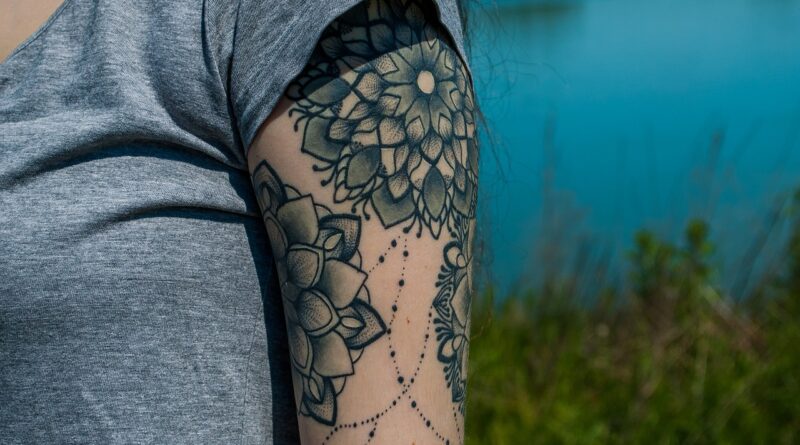
The shoulder works well for round designs and pieces that may later connect to a chest, back, or sleeve project. It also sits well on the body because the deltoid gives the tattoo a natural shape. Mandalas, birds, flowers, sun designs, and small decorative pieces often fit this area nicely.
If you wear tank tops often, remember sunscreen after the tattoo has healed. The American Academy of Dermatology says ultraviolet light can fade some tattoo inks and recommends broad-spectrum, water-resistant SPF 30 or higher on exposed tattooed skin. That point matters for shoulder and upper arm placements in summer, especially if you spend time outside.
Where Should You Place a Tattoo If You Need It Hidden?
Hidden tattoos are not less important. Many people choose private placements because the design has a personal meaning. A hidden position can also make sense if your workplace has rules, your family has strong opinions about tattoos, or you simply like having a design that shows only when you decide.
Rib Cage for Private Artwork
The ribs are easy to cover with normal clothing and give a long line for script, florals, birds, moons, and abstract pieces. The trade-off is pain. The skin is close to bone, and your breathing keeps the area moving during the session.
If you choose the ribs, keep the size honest for your pain level and schedule. A short quote may be manageable, while a full side piece can turn into a serious project over more than one sitting. Soft clothing helps during healing because bra bands, waistbands, and stiff seams can rub the area.
Upper Thigh for Larger Pieces
The upper thigh is one of the better hidden placements for larger work. It gives the artist space for detail and shading, and it is usually covered by everyday clothing. Large florals, ornamental frames, animals, and fantasy designs often look balanced here.
The thigh also holds up fairly well for many people because it is not always in the sun. That said, skin changes with weight shifts, age, and muscle changes. No placement stops time. A sound design leaves room for normal life to happen.
Back for Maximum Canvas
The back is a strong choice if you want scale. It can hold symmetrical pieces, full scenes, wings, Japanese-style compositions, or one clean symbol between the shoulder blades. It is also easy to hide in most work settings.
The weak point is aftercare access. Washing and moisturizing the middle of your back can be awkward. If you live alone, plan your clothing and bedding before the appointment, and ask your artist for aftercare steps you can actually follow without help.
What Tattoo Positions Look Best for Small Designs?
Small tattoos need careful placement because they can look dropped into place if they float in a large empty area. The best small tattoo spots feel planned. They follow a bone line, sit near a joint without crossing the fold, or fit into a natural frame on the body.
Wrist for Simple Symbols
The wrist works well for tiny symbols, dates, initials, and fine-line elements. It is easy for you to see, which can be nice if the tattoo is a daily reminder. It is also easy for other people to see, so it should not be treated as half-hidden.
Keep the design simple in this area. Very small letters can blur over time, especially if too much detail is packed into a small space. If you want a longer quote, the inner forearm usually gives the words more room to stay readable.
Ankle for Subtle Detail
The ankle suits minimalist flowers, small stars, waves, initials, and tiny ornamental bands. It can show with sandals or cropped pants, then disappear under socks or boots. That small reveal is the reason many people like this placement. See also: tattoo care.
Healing can be a little troublesome here because shoes rub the skin. Avoid tight footwear while the tattoo is fresh. Also, do not book an ankle tattoo right before a beach trip. Sand and a new tattoo are not a good mix.
Collarbone for Clean Lines
The collarbone gives small tattoos a clean look. Short script, vines, butterflies, and fine-line designs can follow the natural bone line. The placement is visible, but it is usually not as loud as the neck or hand.
Because the area is bony, expect some sharp feeling during the session. The good part is that small collarbone tattoos are often quick. A neat design here can look put together even with a plain T-shirt.
How Can Pain and Healing Guide Your Placement Choice?
Pain is personal. Two people can get the same tattoo in the same spot and describe it in totally different ways. Some areas tend to feel stronger because the skin is thin, bone is close, or there are more nerve endings. Healing also changes by placement, especially where clothing rubs or joints bend a lot.
Fleshier Areas Usually Feel Easier
Outer upper arms, outer thighs, calves, and shoulders are often easier than ribs, feet, sternum, elbows, knees, and hands. This is not a guarantee, just a pattern many artists hear from clients. If pain makes you nervous, start with a fleshier area and keep the first session shorter.
Eat before your appointment, sleep enough, and skip alcohol before the session. These basics are not exciting, but they help. A good tattoo day is often simple: food, water, loose clothes, and enough time so you are not rushing.
Friction Can Slow Healing
Waistbands, bra straps, socks, shoes, backpack straps, and tight sleeves can bother fresh tattoos. A hip tattoo may look great in photos, but if your jeans rub it for eight hours, healing becomes harder. Place the tattoo where you can protect it during the first few days.
Sacramento County Environmental Management Department’s tattoo aftercare notice recommends removing the bandage within 3 to 24 hours, washing gently with mild soap and water, and seeking medical care if signs of infection develop. Your artist’s instructions should still come first, especially if they use a second-skin dressing. The basic point is the same: keep it clean, avoid dirty contact, and watch for problems.
Medical Risks Should Stay on the List
Placement is also a health choice. The U.S. Food and Drug Administration has reported infections from contaminated tattoo inks and allergic reactions to inks. Mayo Clinic also lists possible risks such as skin infections, allergic reactions, granulomas, keloids, and rare MRI-related reactions.
This does not mean you need to avoid tattoos. It means you should choose a licensed studio, look at hygiene practices, and avoid tattooing over irritated skin, rashes, or moles that need medical watching. The American Academy of Dermatology notes that tattooed skin can make early signs of skin cancer harder to see, so leave suspicious spots alone and ask a dermatologist if you are not sure.
How Do You Match Tattoo Placement with Style?
A good tattoo should look like it belongs where it sits. Style, size, detail level, and body shape all need to work together. A design copied from a flat screen may need changes once it meets a curved shoulder, narrow wrist, or moving knee. This is where a good artist matters.
Fine Line Needs Breathing Room
Fine-line tattoos can look clean and light, but they still need enough space. Micro lettering on a finger may look nice at first and then soften sooner than expected. Better spots can include the inner forearm, upper arm, collarbone, ankle, or shoulder blade, depending on how visible you want the tattoo to be.
If the tattoo has words, ask your artist what size will stay readable. A slightly larger tattoo is often the better choice. It is better to give the lines space than to end up with a tiny gray blur later.
Bold Work Likes Strong Areas
Traditional, neo-traditional, tribal-inspired, blackwork, and Japanese-style designs often sit better on stronger body areas. The outer arm, thigh, calf, chest, and back give bold lines enough room to hold. These styles can age well because the design does not depend on very thin detail.
For a sleeve, think in sections. The shoulder cap, outer forearm, inner forearm, elbow, and wrist each need their own flow. Do not fill one key spot without thinking about where the next piece may go.
Curved Designs Follow Natural Lines
Some tattoos are made to work with movement. Vines, snakes, dragons, waves, script, ornamental borders, and floral stems can follow the collarbone, spine, forearm, hip, or calf. A curved placement can make a simple design feel more personal.
Ask the artist to place the stencil while you stand normally, not only while you twist for a studio photo. If it looks right when your shoulders are relaxed and you are breathing normally, that is a better sign. You will live with the tattoo in that normal posture most of the time.
FAQ
Q1: What Is the Best Tattoo Placement for a First Tattoo? A: The outer upper arm, shoulder, calf, and outer thigh are common first-tattoo choices because they give the artist workable space, are easier to cover, and usually hurt less than ribs, hands, feet, or sternum.
Q2: Where Should You Put a Tattoo If You Want It Hidden? A: Good hidden spots include the upper thigh, ribs, hip, back, shoulder blade, and upper arm. Choose a place covered by the clothes you wear most days, not just by one outfit.
Q3: Do Visible Tattoos Affect Work Opportunities? A: It depends on the job, industry, location, and company culture. Tattoos are more accepted than before, but hand, neck, and face tattoos can still stand out in conservative workplaces.
Q4: Which Tattoo Placements Hurt the Most? A: Many people find ribs, sternum, feet, hands, elbows, knees, and spine more painful because these areas have thin skin, close bone contact, or a lot of movement. Pain still varies from person to person.
Q5: How Do You Choose Between Two Tattoo Position Ideas? A: Compare visibility, pain, design size, clothing friction, sun exposure, and future tattoo plans. If both spots seem workable, ask your artist to place stencils in each area and check them while standing, sitting, and moving.