
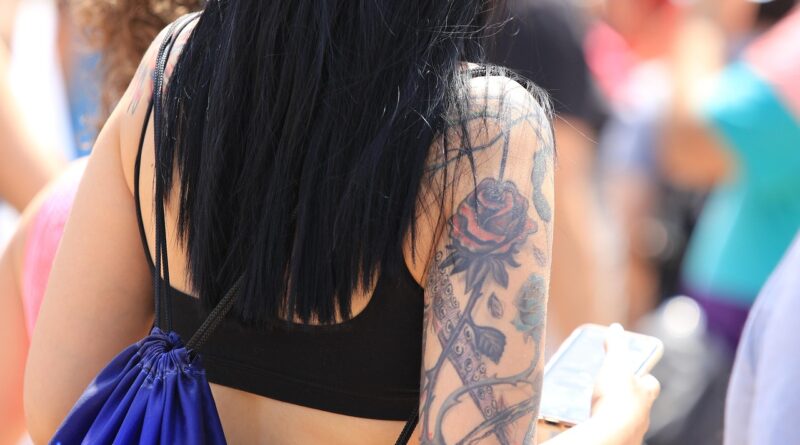
Where Is the Best Tattoo Placement for Women?
What Makes the Best Tattoo Placement for Women?
Choosing the right tattoo placement for women is not only about finding a nice spot on the skin. It comes down to visibility, comfort, pain level, design size, daily clothing, work rules, and how the tattoo may look after a few years. If you are still checking different areas, this tattoo placement guide is a useful page to review before you book a session.
Placement matters because tattoos are common now, but they still mean different things in different settings. Pew Research Center reported in August 2023 that 38% of U.S. women had at least one tattoo, compared with 27% of men. The same survey found that 24% of tattooed Americans regretted at least one tattoo, so it is worth taking a little time before choosing the exact spot.

Visibility Comes First
Start with a simple question: do you want your tattoo to be seen every day? Wrist, forearm, hand, neck, and ankle tattoos are easy to show, while rib, hip, upper thigh, back, and sternum tattoos stay covered under most clothes. Visible tattoos can look confident and personal, but they also bring more comments from other people. That may feel fine on a weekend, yet it can be tiring in a work meeting or a formal setting.
Body Movement Changes the Look
A tattoo is not placed on a flat board. It moves when you bend, stretch, walk, lift, or sit, so the shape of the body has to match the design. Curved areas such as the shoulder cap, hip, outer thigh, and rib can work well for floral, snake, vine, and ornamental designs. Areas with more folds or rubbing, such as the inner elbow, under-bust, and waistline, need more care because lines can soften faster when the skin is rubbed often.
Future Plans Deserve a Seat
Think about changes that may happen over the next few years. Weight changes, pregnancy, surgery, fitness habits, and a new job can all change how a placement feels. This does not mean you have to avoid the abdomen, hip, or rib. It means the size, spacing, and style should be chosen with care, because a soft botanical piece may handle body changes better than tiny lettering across skin that moves a lot.
Which Visible Placements Feel Stylish but Still Practical?
Visible tattoos are popular because they become part of your daily style. They also ask for a bit more confidence and planning. A small fine-line symbol near the wrist feels very different from a full forearm piece, even though both are visible. A good visible placement should give you control, not make you worry about every outfit or workday.
Wrist and Inner Forearm Tattoos
The wrist and inner forearm are useful spots for short words, small flowers, tiny symbols, dates, and fine-line designs. They are easy to see without a mirror, which is one reason many people like them. The tradeoff is practical: watches, bracelets, office sleeves, and frequent handwashing can bother fresh ink. During healing, loose sleeves help, and Cleveland Clinic aftercare guidance notes that hands, wrists, and arms may flake or itch but often heal faster than larger chest or back pieces.
Upper Arm and Shoulder Tattoos
The upper arm is a safe choice if you want a tattoo that can be shown or covered without much trouble. A short sleeve can show it, while a blazer, sweater, or work shirt can hide it. The shoulder also suits round designs, mandalas, butterflies, script arcs, and floral clusters. It gives the artist enough room to keep lines clear, which matters when a design has small details.
Ankle and Lower Leg Tattoos
Ankle tattoos work with sandals, heels, sneakers, and summer clothes. They can look light and neat without feeling too exposed. Lower leg tattoos, especially on the outer calf, give more space and often age better than very small ankle pieces. The main issue is rubbing from socks, boots, and tight leggings, so if you wear winter boots for months, it is better to book the tattoo when footwear can stay soft and breathable.
Which Hidden Placements Give You Privacy and Control?
Hidden placements suit women who want a tattoo to feel personal, private, or easier to cover. They can also be a practical choice if your workplace has strict rules. Hidden does not always mean easy, though. Some private spots are more sensitive, especially near the ribs, sternum, or hip bones.
Rib and Side Body Tattoos
Rib tattoos are often chosen for fine-line florals, quotes, constellations, and vertical designs. The side body gives long designs a natural path, so the tattoo can sit well with the shape of the torso. Ribs are usually more painful because the skin is close to bone and moves when you breathe. If you want script here, keep it large enough to stay readable after years of normal skin change, because very tiny letters on ribs can turn fuzzy.
Hip and Upper Thigh Tattoos
The hip and upper thigh give privacy and enough room for a larger piece. These areas suit larger florals, ornamental frames, animal designs, and designs that curve with the body. They are also easy to cover in most work settings, which is helpful if dress codes are strict. Pay attention to underwear lines, swimsuit cuts, and gym shorts, because a fresh tattoo under a tight waistband can feel bad and may slow healing.
Back and Spine Tattoos
The back works well for symmetrical designs, small centered symbols, and larger pieces. Spine tattoos can look clean with vertical script or small decorative details. Pain can increase near the spine and shoulder blades, so it is worth being realistic before booking a long session. Back tattoos are also hard to wash and moisturize by yourself, so plan for help during the first few days or choose products you can apply without twisting too much.
Which Placements Hurt Less and Heal More Smoothly?
No public medical body gives a reliable pain score for every tattoo placement. Many online pain charts are based on personal stories, not controlled research. Even so, artists and dermatology sources usually agree on the main points: size, skin thickness, bone, nerve density, and aftercare all affect the experience.
Outer Arm and Outer Thigh Comfort
The outer upper arm and outer thigh are often easier first-tattoo areas because they have more padding and fewer sharp bone points. They also give the artist more room to work, which can help with clean lines and smoother shading. If you want a medium design, these placements are usually more forgiving than the ribs, foot, or sternum. They are not painless, but most clients find them easier to manage than thin, bony areas.
High-Friction Areas Need Extra Care
Fresh tattoos do not like rubbing. Bra bands, waistbands, tight jeans, sports bras, socks, and backpack straps can all irritate a new piece. Cleveland Clinic’s dermatologist-reviewed guidance advises loose clothing and warns against rubbing, scratching, picking, and soaking during healing. So the placement should fit your normal life, especially if you train hard, travel often, or wear uniforms and need the area to breathe for the first couple of weeks.
Medical Red Flags Matter
The U.S. Food and Drug Administration has reported infections linked to contaminated tattoo ink and allergic reactions to ink ingredients, including reactions that may appear later. The FDA advises contacting a health professional if a tattoo area is not healing, develops a rash, or comes with fever. Placement cannot remove all risk, but it can reduce avoidable problems when paired with a licensed artist, a clean studio, and steady aftercare. If something looks wrong, do not wait for it to fix itself. See also: tattoo care.
How Should Your Lifestyle Shape Tattoo Placement?
A tattoo should fit how you dress, move, work, and spend your weekends. The best placement on Instagram may not fit your normal week. Small details matter more than people expect. Shoe straps, handbag straps, desk posture, gym clothes, and sun exposure can all affect healing and long-term wear.
Work and Dress Codes
If you work in healthcare, finance, education, hospitality, law, or customer-facing sales, visible tattoo rules may still exist. Pew Research Center found in 2023 that 80% of U.S. adults said society had become more accepting of people with tattoos over the past two decades. That is positive, but acceptance is not the same as every workplace policy. Upper arm, back, hip, rib, and upper thigh placements keep more options open if you need to cover the tattoo.
Sun Exposure and Skin Care
Sunlight can fade tattoos. The American Academy of Dermatology recommends broad-spectrum, water-resistant sunscreen with SPF 30 or higher on tattooed skin and reapplication at least every two hours when outdoors. This matters for shoulders, forearms, ankles, and chest tattoos because these areas often get more sun. If you spend a lot of time at the beach, on patios, or running outside, a hidden placement may be easier to maintain.
Fitness, Clothing, and Daily Habits
Yoga, cycling, lifting, swimming, and running can all affect tattoo placement. A sternum tattoo may rub against sports bras during healing, while a hip tattoo may sit under tight leggings. A foot tattoo may not like sneakers for a while, and swimming should wait until the tattoo is fully healed because soaking can raise irritation risk. If possible, book your session during a low-friction season, since timing can make healing much easier.
How Can You Match Placement with Design Size and Meaning?
Placement and design should be planned together. A good design can look awkward if it is squeezed into the wrong area. The opposite is also true. A simple symbol can look clean and intentional when it has enough space and sits in the right place.
Small Designs Need Clean Space
Small tattoos usually work best on areas that do not stretch or fold too much. Good choices include the outer wrist, inner forearm, upper arm, ankle, nape, shoulder, and behind the ear. Keep tiny lettering simple and spaced well, because letters that sit too close may blur as the tattoo ages. If an artist asks to make the design slightly larger, it is often for technical reasons, not just to increase the job size.
Large Designs Need Natural Flow
Larger designs need room for detail, shading, and movement. Thighs, upper arms, backs, ribs, and calves are strong choices because they give the artist space to build the piece properly. A floral branch can follow the hip, a dragon can wrap the thigh, and a phoenix can rise over the shoulder blade. When the design follows muscle and bone shape, it looks like it belongs on the body instead of sitting on top of it.
Meaning Can Guide Privacy
Pew Research Center found in 2023 that 69% of tattooed U.S. adults got tattoos to honor or remember someone or something, and women were more likely than men to name this reason. If your tattoo is linked to grief, family, faith, survival, or a private memory, you may want a placement that you reveal only when you choose. If it is more about style, confidence, or identity, a visible area may feel right. The key is to match the meaning with the level of privacy you actually want.
FAQ
Q1: What Is the Most Feminine Tattoo Placement? A: There is no single most feminine placement. Many women choose the wrist, collarbone, rib, hip, spine, ankle, or shoulder because these areas can look delicate, bold, or private depending on the design.
Q2: What Is the Best First Tattoo Placement for Women? A: The outer upper arm, outer thigh, shoulder, or inner forearm can be good first choices. They offer enough space, are easier to care for, and are often more manageable than ribs, feet, sternum, or spine.
Q3: Where Should You Put a Tattoo If You Need to Hide It? A: Try the upper thigh, hip, ribs, back, upper arm, or under-bust area. Choose the exact spot based on your usual clothing, swimwear, and work dress code.
Q4: Which Tattoo Placements Fade Faster? A: Hands, fingers, feet, and areas with heavy rubbing or sun exposure often need more upkeep. The American Academy of Dermatology notes that UV light can fade some tattoo inks, so sun care matters.
Q5: Should Placement Change Based on Pain? A: Yes, but pain should not be the only factor. If you love a rib tattoo but worry about pain, start smaller or choose a softer design. If you want an easier session, consider the outer arm or outer thigh.