What Does an African Symbol Tattoo Mean and How Can You Choose One Respectfully?
Why Does an African Symbol Tattoo Carry More than Decoration?
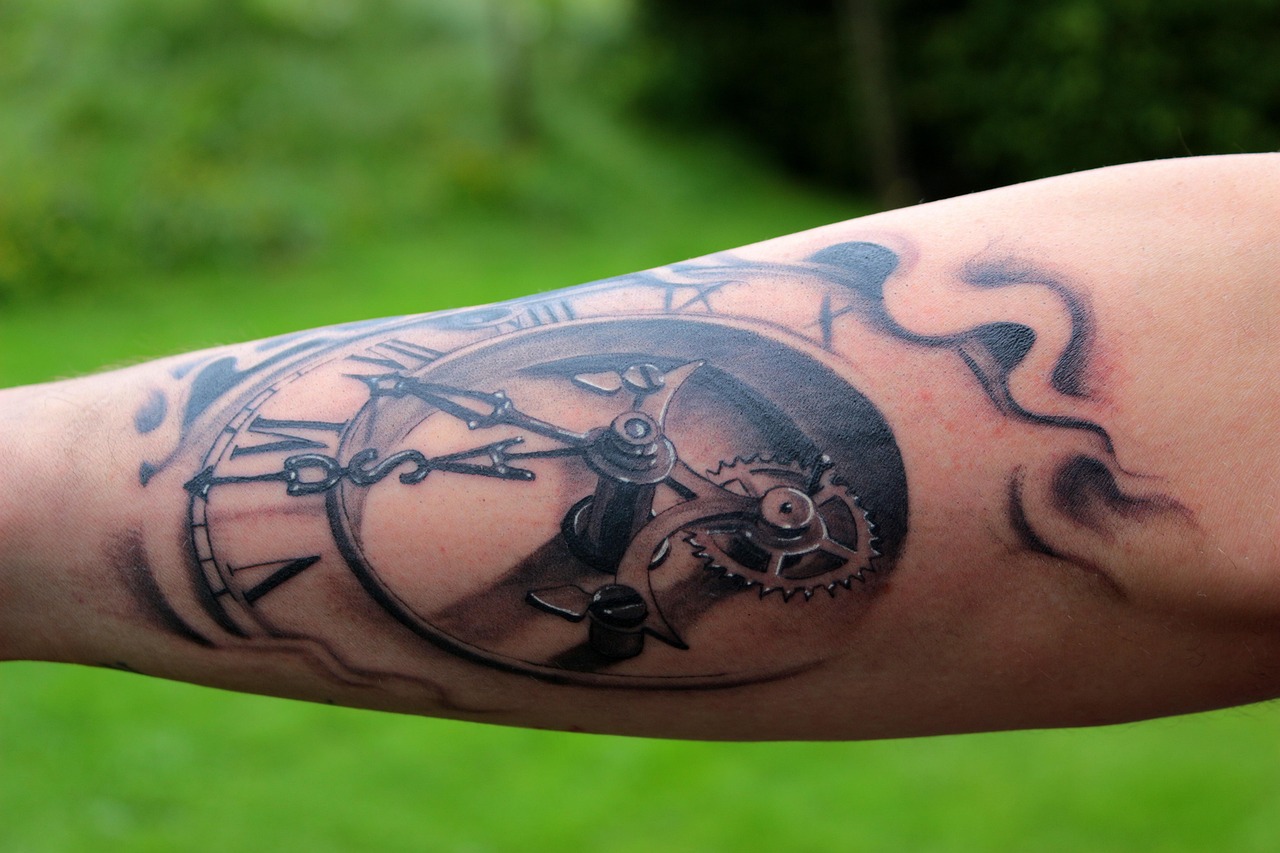
An African symbol tattoo may look good straight away, but a solid design usually carries memory, identity, faith, family, or personal change. If you like body art with a clear background, the tattoo culture section is a useful place to see how symbols move from history into modern skin work. The main point is simple: choose a design because you understand what it says, not only because it looks nice on a phone screen.
Body Marks as Social Language
The Smithsonian National Museum of African Art has described decorated bodies in African visual culture as signs of social meaning, including ethnic identity, rank, and life stages. That point matters when you plan a tattoo because the mark does not sit on paper anymore. A symbol is not just a shape. Once it is on skin, it can become a public message, so ask what it meant in its own setting and what it may say when worn today.
Symbols Rooted in Proverbs
Many African symbols, especially Akan Adinkra symbols from Ghana and Côte d’Ivoire, work like short proverbs in visual form. They hold values such as wisdom, patience, courage, humility, and spiritual trust in a small graphic mark. A tiny symbol near the wrist may look simple, but its background can be much bigger than the tattoo itself. That gap between size and meaning is one reason people are drawn to it.
Modern Tattoos With Personal Memory
Public tattoo data shows why meaning is important. Pew Research Center reported in August 2023 that 32% of U.S. adults had a tattoo, and 69% of tattooed adults said honoring or remembering someone or something was one reason for getting inked. So, if your African symbol tattoo marks a grandparent, a home country, a recovery period, or a lesson you keep returning to, it is not just a trend choice. It is tattooing used as permanent memory, which is how many people already use it.
Which African Symbols Work Best for Tattoo Design?
No single symbol can stand for a whole continent. Africa has thousands of ethnic groups, languages, and sacred systems, so a good tattoo should begin with a clear source. Adinkra symbols are popular because many of them are geometric, easy to read, and recorded in museum and cultural material. Still, popular does not mean casual, so choose one meaning and stay close to it.
Sankofa for Returning to Wisdom
Sankofa is often shown as a bird looking backward or as a heart-like graphic form. It is usually explained as the idea of going back to collect what is valuable. For a tattoo, it can fit someone reconnecting with ancestry, going back to study, healing after a hard period, or honoring lessons from elders. It also works well as a small black design because the outline stays clear.
Gye Nyame for Faith and Reverence
Gye Nyame is one of the best-known Adinkra symbols and is widely linked with the supremacy of God in Akan culture. It can be a strong choice for a spiritual tattoo, but it should be handled with care because it is not plain decoration. If faith is the real reason behind the piece, this symbol can feel direct and honest. If you only like the curves, another design may be a better fit.
Dwennimmen for Strength With Humility
Dwennimmen, usually linked with ram’s horns, is often read as strength joined with humility. That balance makes it a thoughtful tattoo for someone who has learned to stand firm without becoming hard or careless. It can work on the forearm, shoulder, calf, or behind the arm. The design looks better when the artist keeps the horn curves clean and does not fill the piece with extra noise.
How Can You Choose a Respectful African Symbol Tattoo?
Respect starts before the stencil goes on. It means taking time, checking more than one source, and being honest about your connection to the image. A design can cross cultures, but it should not lose its name, origin, or purpose. Many rushed tattoos go wrong at this point.
Start With a Specific Culture
Do not ask for a general African tribal tattoo and expect the artist to fill in the blanks. That phrase is too broad and often leads to mixed patterns with no clear background. Use names instead, such as Akan Adinkra, Berber Amazigh motifs, Ethiopian Coptic crosses, Nsibidi-inspired marks, or another specific visual tradition. The clearer you are at the start, the less likely the final tattoo becomes a vague costume.
Check Meaning Beyond Search Results
One website may call a symbol strength, another may call it protection, and a third may leave out the cultural setting. Museum records, university material, cultural commissions, and books by scholars usually give you firmer ground. For example, Smithsonian records note that more than 150 Adinkra design symbols have been identified, with newer uses expanding the number. That range is useful, but it also means quick image searches can mix up names and meanings.
Avoid Sacred or Restricted Designs
Some symbols, masks, ritual marks, or royal motifs may belong to ceremonies, initiations, families, religious practice, or leadership roles. If you cannot confirm that a design is suitable for public personal use, choose another one. There are many meaningful symbols available, so a respectful tattoo does not need to borrow the most guarded image in the room. In some cases, the quieter choice is the better one.
Where Should You Place an African Symbol Tattoo?
Placement changes how a symbol reads. A design linked to memory may feel right near the heart, while a symbol about discipline may suit the forearm because you see it often. A bold pattern may need more room than a small ankle allows. Good placement helps protect both meaning and readability.
Wrist and Forearm for Small Symbols
The wrist and forearm work well for compact Adinkra symbols because they stay visible and easy to read. This is useful if the tattoo is meant to be a daily reminder. Keep the line thickness realistic, because very fine lines can blur with age, especially on hands and wrists. A simple one-inch symbol may age better than a crowded version filled with shading.
Shoulder and Chest for Bold Geometry
The shoulder and chest give stronger symbols more space. Gye Nyame, Dwennimmen, or a paired design can sit well here without looking squeezed. These areas also let the tattoo stay personal while still being easy to cover for work or formal events. Not every meaningful tattoo has to be visible all the time.
Back and Calf for Pattern Sets
If you want several symbols, the back or calf can hold a clean vertical layout or grid layout. This usually works better than stacking small icons on a narrow wrist. A pattern set should still have one main idea, such as wisdom, courage, and remembrance. Ten unrelated symbols may look more like a studio sample sheet than a personal tattoo. See also: tattoo care.
How Should Style, Ink, and Artist Choice Shape the Tattoo?
An African symbol tattoo needs an artist who respects clean shape. Many symbols depend on balance, open space, and clear outlines. If the artist changes too much, the meaning may become hard to recognize. Bring references, and also bring the symbol name and meaning so the consultation starts from the right place.
Clean Linework for Adinkra Geometry
Adinkra-inspired tattoos usually look best with steady black linework and measured spacing. A shaky curve can change the feel of the whole piece. Ask to see healed work, not only fresh photos, because fresh tattoos often look sharp under studio lights. Healed tattoos show whether the artist can place ink that stays readable after the skin settles.
Black Ink for Strong Readability
Black ink often suits symbolic tattoos because it keeps the design close to stamped cloth, carved forms, and graphic marks. Color can work, but it should support the symbol instead of pulling attention away from it. If you add red, gold, or green, make sure the palette has a reason. Color with no purpose can make a serious symbol look like a logo.
A Prepared Artist Consultation
Before the session, prepare three things: the symbol name, the cultural source, and your personal reason. The artist can then adjust size, line weight, and placement without guessing. If an artist ignores the meaning and only wants to copy a blurry image, keep looking. A good tattooer does not have to be a historian, but they should care about accuracy.
What Safety Steps Matter Before and After the Tattoo?
A meaningful tattoo still has to heal well. Safety is not the exciting part, but it affects how the final piece looks months later. U.S. Food and Drug Administration guidance current as of December 2024 notes that tattoo inks can be linked to infections and allergic reactions, and even sealed containers can be contaminated. That may sound like a dry warning, but it matters when the ink is going into your skin.
Licensed Studio and Sterile Process
Choose a licensed studio that uses single-use needles, gloves, sterile supplies, and inks made for tattooing. CDC reporting on tattoo-associated nontuberculous mycobacterial infections from 2011 to 2012 recommended sterile inks, sterile water when dilution is needed, and hygienic tattoo practice. You do not need to question the artist like an inspector, but you can ask basic safety questions. A professional should answer them without attitude.
Aftercare That Protects the Design
Follow the aftercare sheet your artist gives you. In general, keep the tattoo clean, avoid picking, stay out of pools while healing, and protect it from sun. A symbol with fine inner spaces can lose clarity if scabs are pulled too early. Healing is part of the design process, so treat the first two weeks like they matter.
When to Ask for Medical Help
Some redness and warmth can be normal at first, but a spreading rash, bumps, fever, chills, heavy swelling, or pain that gets worse should not be ignored. The FDA advises contacting a health professional if you suspect infection or another reaction. Also tell the tattoo artist so the ink brand, color, and batch details can be checked. Acting early can protect both your skin and the tattoo.
FAQ
Q1: Is an African Symbol Tattoo Cultural Appropriation? A: It depends on the symbol, your reason, and how you handle the source culture. A researched Adinkra symbol chosen for a sincere personal value is not the same as copying sacred or restricted imagery with no context.
Q2: What Is the Most Popular African Symbol Tattoo? A: Sankofa and Gye Nyame are among the most recognized choices, especially in Adinkra-inspired tattoo work. Popularity is useful to know, but it should not decide the tattoo for you.
Q3: Can You Change the Shape of an African Symbol? A: Small style changes are common in tattooing, but heavy changes can weaken or confuse the meaning. Keep the core shape recognizable, and ask your artist to improve spacing instead of rebuilding the symbol.
Q4: Are African Symbol Tattoos Better in Black Ink? A: Black ink is often the safer choice for clear symbolic work because it ages well and keeps the design readable. Color can be added if it has meaning and does not overpower the symbol.
Q5: How Do You Find the Real Meaning of a Symbol? A: Use museum records, cultural sources, academic books, and several reliable references. If the meaning cannot be checked, be honest about that and choose a better-documented design.