What Makes a Culture Tattoo More Than Body Art?
Why Does a Culture Tattoo Matter Today?
A culture tattoo is not just something placed on skin for looks. For many clients, it points to where they come from, who raised them, what they believe, or what they want to keep with them later in life. If you are looking into tattoo culture, start with the story behind the mark. A saved image can help explain taste, but it should not be the whole brief.
Public views have changed. Pew Research Center surveyed 8,480 U.S. adults in July 2023 and found that 32% of adults had at least one tattoo, while 22% had more than one. Pew also reported that 80% of U.S. adults said society had become more accepting of people with tattoos over the previous 20 years. For studios, artists, and clients, that shift matters because culture tattoo choices now show up in offices, gyms, weddings, airports, and family dinners, not only in underground scenes.
Identity You Can Carry
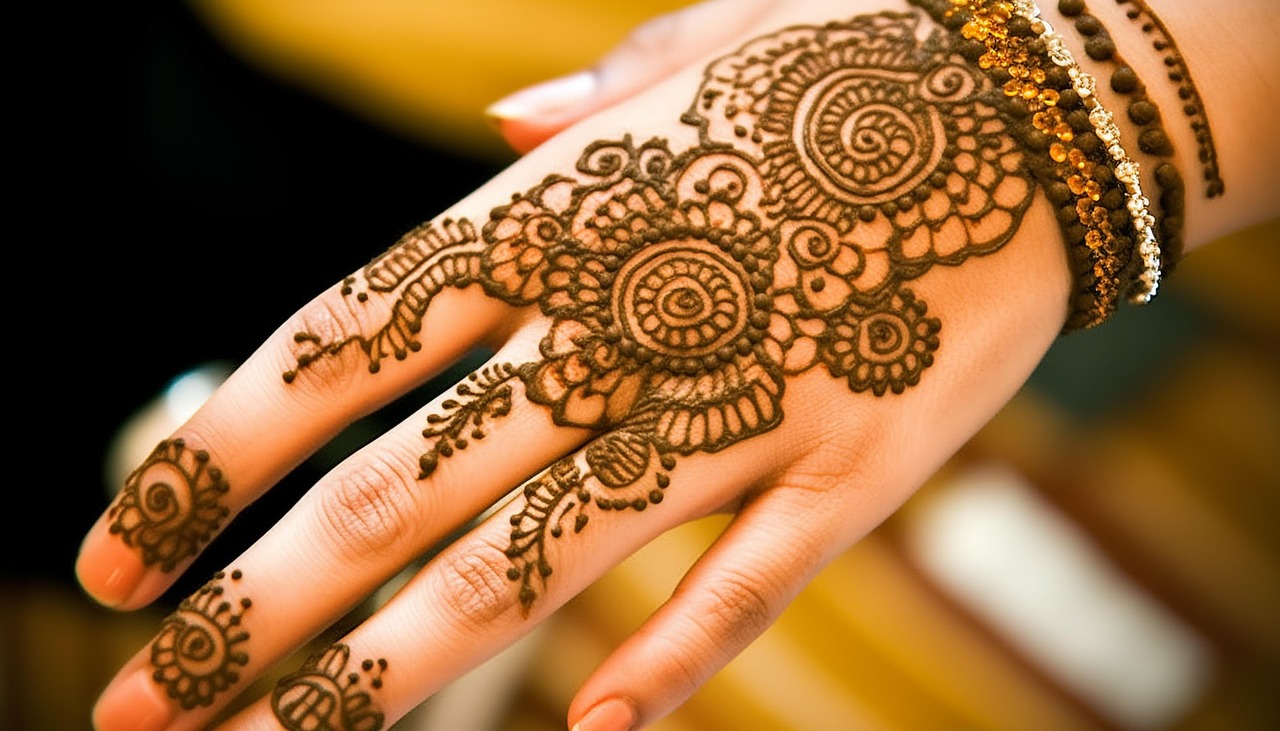
A tattoo can act like a small sign of identity. It might refer to your hometown, faith, language, family role, music scene, or a life event that changed your path. Clothes can be changed or put away, but ink stays on the body. That is why a cultural design needs more time before booking.
Memory That Stays Visible
Many people choose tattoos to remember someone or something. Pew Research Center found in 2023 that 69% of tattooed U.S. adults said honoring or remembering someone or something was a major or minor reason for their tattoos. A date, flower, script line, or small object can keep that memory close. It also lets the wearer decide when to explain it and when to keep it private.
Belonging Without a Loud Speech
A culture tattoo can say “this is part of my world” without making a speech. It may link a person to a community, a craft, a family migration story, or a common symbol. Even so, belonging is not the same as taking. If a design looks good but belongs to a setting you do not know, it needs context first.
How Did Tattoos Become Cultural Markers?
Tattoos worked as cultural markers for thousands of years, before electric machines, Instagram portfolios, and walk-in flash days. They have been used for healing, status, adulthood, travel, protection, devotion, grief, and rebellion. Meanings change by place and time. A single sign can be sacred in one place and casual in another.
Ancient Skin Marks and Ritual Purposes
The Smithsonian Institution has described Ötzi the Iceman, a naturally mummified man from around 5,300 years ago, as holding some of the oldest known tattoo evidence. His marks were not made for modern fashion. Researchers have often discussed them in relation to pain, healing, and body mapping. The useful lesson is not to copy his lines. It is to see how old the link is between skin, body, and belief.
Polynesian Tatau and Western Sailors
The English word “tattoo” is often tied to the Polynesian word “tatau.” The U.S. National Park Service notes that Captain James Cook recorded tattooing in Tahiti in 1769. Later, sailors carried tattoo practices, images, and stories from port to port. Maritime tattoos became a travel code. A swallow, ship, anchor, or “hold fast” could point to miles crossed, danger survived, or crew identity.
Modern Studio Culture
Today, a studio is also a cultural space. On the same street, you may see Japanese-inspired back pieces, fine-line family scripts, Chicano black and gray, American traditional flash, ornamental work, tribal revival styles, and new hybrids. A good studio should not handle every symbol like clip art. It should ask what the design means, where it comes from, and whether the style will sit well on the client’s body.
What Do People Choose a Culture Tattoo to Say?
Most people do not get tattooed for one clean reason. A piece may be about family and style at the same time. It can carry grief, beauty, humor, and a little stubbornness in one place. That mix is normal in real work, and it is not always neat like a gallery label.
Family, Loss, and Personal History
Names, birth years, handwriting, recipes, coordinates, and native flowers often carry family history. A small script tattoo from a grandparent’s note can say more than a large design with no personal root. For trade buyers, artists, or collectors, this is also why custom work keeps value. A client pays for a design that feels like it was made for them, not for a copied sample.
Beliefs, Pride, and Social Signals
Pew Research Center reported in 2023 that 47% of tattooed U.S. adults said making a statement about what they believe was a reason for getting tattooed. That may include spiritual values, political identity, recovery, pride, or survival. A symbol on the forearm is not quiet in every room. For that reason, placement and context matter before the needle starts.
Style as a Quiet Language
Not every tattoo needs a long explanation. YouGov reported in 2025 that 76% of Americans said tattoo design can be considered art, up from 65% in its June 2015 survey. Sometimes the message is in the line quality, blackwork balance, color palette, or body flow. That still counts as cultural. Taste comes from the scenes, places, and people around us.
Can a Culture Tattoo Respect Heritage Without Copying It?
This is the part where many clients slow down, and they should. A design can look strong online but carry meaning the client does not see at first. Some marks belong to rites, rank, mourning, protection, or family lines. When they are used badly, the mistake is felt most by the people who live with that heritage.
Research Before the Appointment
Start with the source of the design, not the visual style alone. Is it religious, ceremonial, clan-based, military, or connected to trauma? If solid public information is hard to find, be honest about that and ask a knowledgeable artist or cultural practitioner. Guessing is not research. A short image search can miss the main point. It can also miss who has the right to wear the mark.
Permission, Collaboration, and Context
If a motif belongs to a living tradition, look for artists from that background or artists who have clear permission and real experience. Collaboration can change the result in a good way. You may keep the feeling you want while changing the exact symbol, placement, or pattern. That helps the final tattoo read as respect, not costume.
Better Choices for Sacred Motifs
When a sacred symbol is not yours to wear, you still have choices. A landscape, plant, textile rhythm, family object, local animal, or abstract pattern can carry meaning without taking a restricted image. These options often make the tattoo more personal. A culture tattoo does not need the most guarded symbol to matter. See also: tattoo care.
Where Should You Place a Culture Tattoo?
Placement changes how a tattoo reads. The same design on the ribs, hand, shoulder, or neck can send a different message. It also affects pain, aging, sun exposure, job visibility, and daily questions from strangers. For some clients, that last part matters more than they expect.
Workplace Visibility and Daily Life
YouGov found in 2025 that 36% of Americans said an arm tattoo is always acceptable, while only 8% said the same about a face tattoo. That gap is useful when planning with clients. If your work involves conservative clients, uniforms, or public-facing roles, visible placement may affect daily comfort. Formal rules may be relaxed, but people still read placement in different ways.
Body Flow and Aging Skin
Good artists draw with muscle, joints, and future aging in mind. Curved areas often work well for ornamental, floral, or wave-like layouts. Flat areas can hold portraits, blocks of script, or geometric work more clearly. Very small details may blur over time. Hands, fingers, feet, and high-friction zones usually need extra care in the plan.
Size, Detail, and Future Pieces
A small tattoo can still be strong, but some cultural patterns need space. If a detailed design is crowded into two inches, it may turn into a gray patch later. If you may want a sleeve, chest panel, or back piece, plan early with the artist. Random placement can block good future work. It can also make later cover-ups harder.
How Can You Get a Culture Tattoo Safely?
Meaning does not cancel basic safety. Tattooing opens the skin, so the studio, ink, tools, and aftercare all matter. The safer choice is rarely the cheapest kitchen-table offer from someone’s cousin. That may sound obvious, but plenty of bad tattoos start that way.
Clean Studio Habits
Check for single-use needles, covered machines, fresh gloves, clean work surfaces, sealed supplies, and a clear license where local law requires it. Ask how the artist handles stencils, razors, rinse cups, and sharps disposal. A professional artist will not mind basic safety questions. If simple questions create tension, take it as a warning sign.
Ink, Allergies, and Aftercare
The U.S. Food and Drug Administration says tattoo inks and pigments are subject to FDA oversight as cosmetics, but it has not approved pigments for injection into the skin for cosmetic purposes. The FDA has also reported infections from contaminated inks and allergic reactions, and it notes that sealed containers can still be contaminated. In the EU, the European Chemicals Agency reported that restrictions on thousands of hazardous chemicals in tattoo inks and permanent makeup began in January 2022. For buyers, studios, and clients, the working point is simple: ask about ink brands, batch numbers, storage, and aftercare.
Regret Prevention
Pew Research Center found in 2023 that 24% of tattooed U.S. adults said they regretted at least one tattoo. To reduce that risk, live with the design for a few weeks before booking. Print it at actual size and look at it in normal light. If you are using another language, check the spelling with a native speaker. Avoid rushing during grief, anger, or a breakup, because your future self should get a vote too.
FAQ
Q1: What Is a Culture Tattoo? A: A culture tattoo is a tattoo connected to identity, heritage, belief, community, memory, or shared tradition. It can be traditional, modern, personal, or mixed, as long as the meaning is handled with care.
Q2: Is It Wrong to Get a Tattoo From Another Culture? A: Not always. It depends on the symbol, its history, and how you use it. Sacred, restricted, or lineage-based designs should not be copied casually. Research and the right artist make a real difference.
Q3: What Culture Tattoo Ideas Are Safer for a First Tattoo? A: Family handwriting, local flowers, meaningful dates, hometown maps, personal objects, and abstract patterns are often safer starting points because they come from your own story.
Q4: How Long Should You Think Before Getting One? A: A few weeks is a good minimum for many people. Larger cultural pieces may need months of research. If the idea still feels right after daily life gets normal again, that is a better sign.
Q5: Should a Culture Tattoo Be Custom Designed? A: Usually, yes. Custom design helps match the symbol to your body, background, and intent. It also lowers the chance of wearing a generic copy with a meaning you did not choose.