What Are the Best Tattoo Ideas to Draw Before Getting Inked?
Why Should You Sketch Tattoo Ideas Before Choosing a Design?
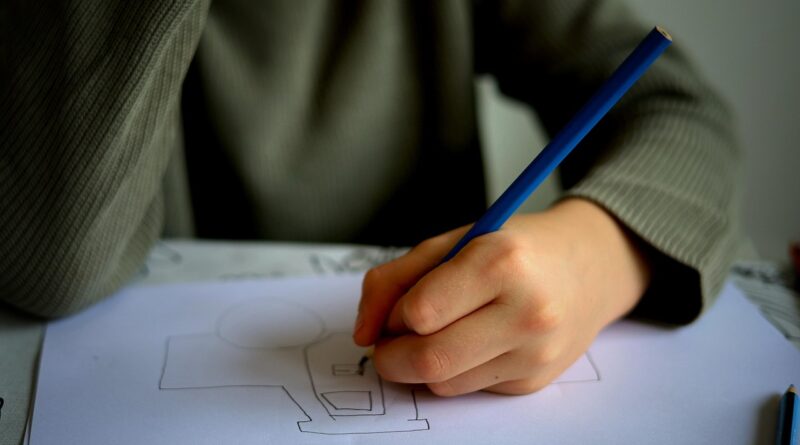
If you are looking for tattoo ideas to draw, start with simple marks on paper before trying to make a finished design. Sketching lets you check the meaning, size, and placement while you look through more tattoo ideas with a clearer idea of what fits you. Pew Research Center reported in August 2023 that 32% of U.S. adults had at least one tattoo, and among tattooed adults, 69% said honoring or remembering someone or something was a reason for their ink. That number says a lot. A tattoo is often tied to memory, not only decoration. (pewresearch.org)
A Clearer Shape for Your Story
Your first drawing does not need fine detail. It only needs to show what you are trying to say. A small wave may point to a childhood near the coast. A matchstick can suggest survival, heat, or a bad choice you still think about. Put the idea into a basic outline, then check whether the shape still works without color, shading, or a long note beside it.
Better Conversations with Your Artist
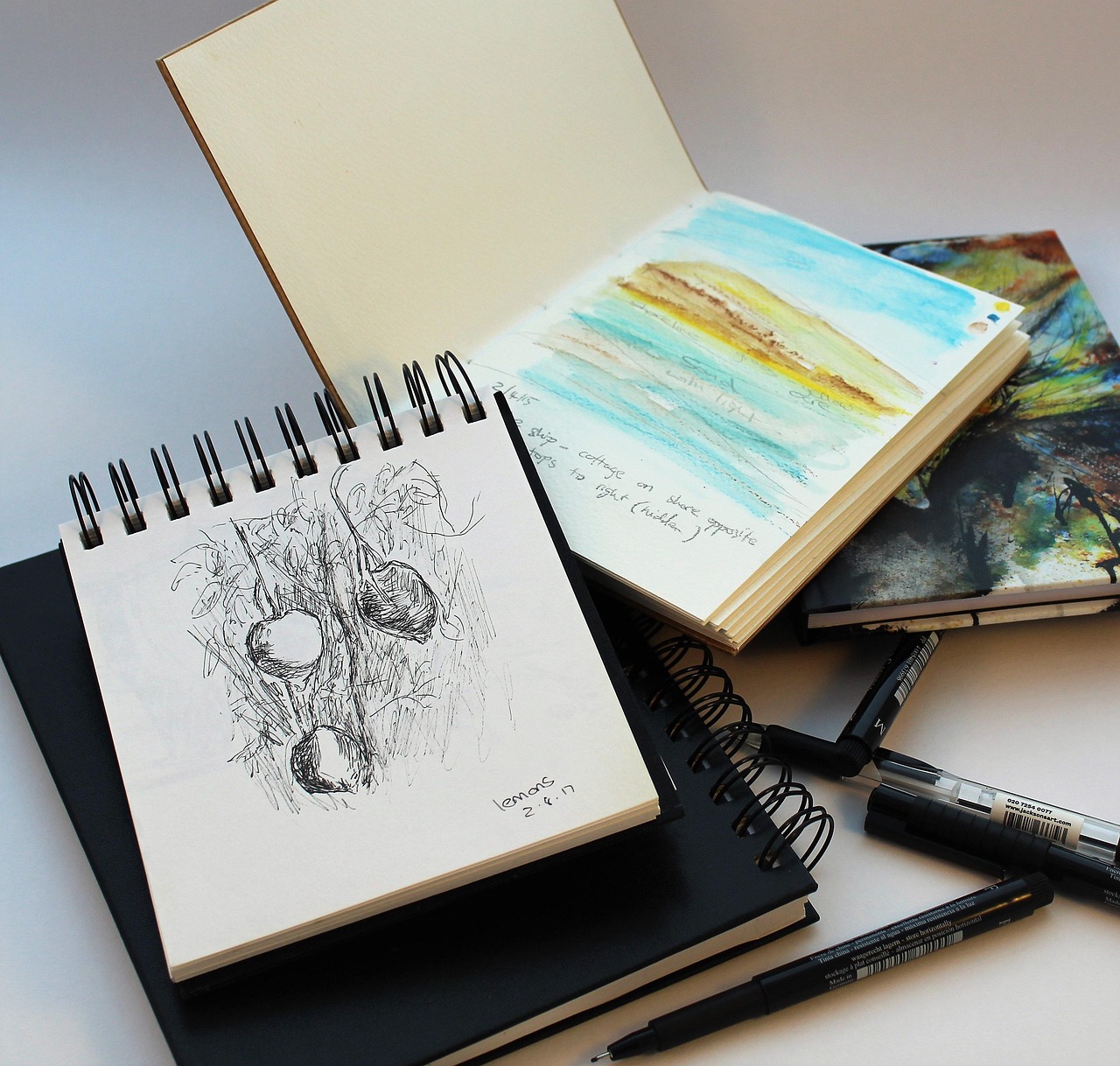
A rough sketch gives your tattoo artist something useful to start from. Instead of saying you want something spiritual but not too spiritual, you can show three symbols and point to the one that feels closest. The artist can then adjust balance, line weight, and how the design sits on the skin. That saves time, and it usually leads to a cleaner stencil.
Fewer Regrets After Healing
Pew also found that 24% of tattooed Americans said they regretted one or more tattoos. A drawing cannot guarantee that you will never regret the tattoo, but it does slow down the decision in a good way. Leave the sketch on your desk or keep it on your phone for a week. If you still like it when you see it during a normal morning, the idea may be worth taking to an artist.
Which Simple Tattoo Ideas Are Easy to Draw First?
The easiest ideas usually have a clear outline, fewer lines, and one main point. Start small on paper. Use a black pen instead of a set of colored pencils, because a tattoo needs to read well before color is added. If the design still looks clean as a two-inch sketch, it has a better chance of working on skin.
Fine Line Symbols
Fine line symbols are good beginner sketches because they make you choose what matters. Try a crescent moon, key, flame, star, paper plane, safety pin, small heart, or single eye. Keep the line continuous where it makes sense. If the design needs a long explanation, take something out. A small symbol should feel like a quiet signal, not a full story.
Botanical Shapes
Leaves, vines, lavender stems, olive branches, and single flowers are common choices because they can follow the body well. Draw the stem first, then add leaves in uneven pairs so the sketch does not look copied from a stamp. A slightly uneven botanical sketch can feel more natural than a mirrored one. Real plants do not grow like clip art.
Small Animals and Personal Icons
Small animals work best when you draw the features people notice first. A cat can be two ears, a curved tail, and calm eyes. A swallow needs movement in the wings. A bee needs body bands and small wings. Personal icons can be even simpler, such as a coffee cup from a late shift, a book corner, a tiny boot, or a mountain line from a trip you still remember.
How Can Placement Change the Way Your Drawing Looks?
Placement is not only about where the tattoo sits. It changes the drawing itself. Skin stretches, bends, tans, wrinkles, and moves. A design that looks balanced on flat paper may feel off on a wrist bone or shoulder cap. Before booking, cut out a rough paper version or place the sketch over a photo of that body area.
Wrist, Ankle, and Collarbone Spaces
These areas suit small drawings with clear spacing. A wrist design can look crowded quickly, especially when script is involved. An ankle can take wraparound vines or a small symbol near the bone. Collarbone tattoos often look best when they follow the body line. For these spots, draw a little thinner and leave more open skin than you first planned.
Forearm, Shoulder, and Calf Canvases
The forearm, shoulder, and calf give more room for detail. A palm-sized moth, dagger, flower bundle, sun, or animal head can sit well in these areas. Draw the design in two versions: one simple and one with shading. If the simple version reads better, keep it. Extra detail can look good in a sketchbook but make the idea less clear on skin.
Ribs, Back, and Larger Panels
Larger areas can hold scenes, flowing florals, myth figures, or mixed symbols. The key is deciding what should be seen first. Pick the main image, then draw the supporting details smaller and quieter. A rib tattoo with three elements fighting for attention can feel busy. A back piece with one main point and softer background shapes usually sits better.
What Styles Work Best for Hand Drawn Tattoo Concepts?
Style affects line thickness, mood, aging, and how much room the artist has to adjust the work. When you draw, label each sketch by style. The same rose can become minimalist, traditional, blackwork, or geometric. That small note helps you avoid mixing too many looks in one design.
Minimalist Linework
Minimalist tattoos use fewer lines, so each curve needs a reason to be there. Draw slowly, then remove any line that does not help the shape or meaning. This style suits initials, small dates, abstract faces, waves, stars, and tiny florals. The main risk is going too thin or too small. Ask your artist what size will age better for your skin and placement.
Traditional and Neo Traditional Forms
Traditional drawings use bold outlines, simple shapes, and clear contrast. Think roses, hearts, daggers, snakes, eagles, anchors, and panthers. Neo traditional work can add more detail and a wider color plan. If you sketch this style, start with firm outlines first. Shading can come later, after the basic drawing already works.
Geometric, Script, and Blackwork Plans
Geometric tattoos need clean spacing and steady symmetry. Script needs readable letters, not only nice loops. Blackwork needs solid dark areas while still leaving space for skin breaks. When drawing these styles, print or trace a few sizes. A word that looks good at five inches may turn into a blurred ribbon at one inch.
How Do You Turn a Rough Sketch into a Tattoo Ready Concept?
A tattoo ready concept is not always a finished tattoo design. It is a clear brief your artist can improve. Your job is to bring the idea, mood, symbols, and limits. The artist brings tattoo craft, skin knowledge, and stencil judgment. Keeping those roles clear makes the process easier for both sides. See also: tattoo care.
Clean Lines and Strong Silhouettes
Redraw your favorite idea with fewer strokes. Then fill the main shape in solid black on a copy. If the silhouette still reads well, the design has a good base. If it turns into a blob, separate the parts or remove some detail. Good tattoo drawings usually read from across a room before they reward a closer look.
Size Tests on Real Skin
Size can make or break your sketch. A simple test helps before you book the appointment:
- Draw the design at one inch, two inches, and four inches.
- Place each version on the body area with tape or a phone mockup.
- Check it while standing, sitting, and moving, not only in a mirror selfie.
- Look at it again the next day in normal light.
This small test often catches problems early. You may notice script that is too tight, or a flower that points in a strange direction when your arm relaxes.
Artist Feedback Before the Needle
Bring references, but do not ask for a copy of another person’s tattoo. Show your sketch, explain the meaning, and say what can change. Maybe the bird must stay, but the flowers are flexible. Maybe the date matters, but the font does not. Clear limits help the artist make the design more tattooable without losing your reason for choosing it.
What Safety and Aftercare Facts Should Shape Your Design?
Safety should affect design choices more than many people think. A very tiny, very detailed tattoo may not heal the way the sketch looks. A design over a mole can make skin changes harder to see. A cheap studio with poor hygiene is not a good deal. The U.S. Food and Drug Administration notes that tattoo inks fall under cosmetic oversight and that infections can come from contaminated inks, including sealed containers in some cases. (fda.gov)
Skin Health Before the Appointment
Choose skin that is calm, unbroken, and not sunburned. If you have a history of keloids, unusual scarring, or strong reactions to dyes, talk with a health professional before you commit. The FDA says allergic reactions and infections can appear after tattooing, and some reactions can happen years later. That is not meant to scare you. It is just part of sound planning.
Ink Safety and Studio Hygiene
Your sketch should end in a licensed, clean studio, not on a kitchen table. Ask about sterile needles, single-use supplies, ink handling, and aftercare instructions. If an artist gets annoyed by basic safety questions, take that seriously. A good professional will not treat hygiene like an odd request.
Long Term Care for Clear Lines
The American Academy of Dermatology advises using water-based lotion on dry tattooed skin, protecting tattoos from sun with broad-spectrum water-resistant SPF 30 or higher, and avoiding tanning beds. It also suggests choosing skin without moles when planning new tattoos, since ink can hide early signs of skin disease. Good care helps keep your tattoo closer to the drawing you wanted. (aad.org)
FAQ
Q1: What Are the Easiest Tattoo Ideas to Draw? A: Simple symbols, small flowers, stars, moons, initials, waves, and clean animal outlines are usually the easiest. Start with designs that still look clear without shading or color.
Q2: Should You Bring Your Own Drawing to a Tattoo Artist? A: Yes, if you treat it as a starting point. Your artist may adjust line weight, spacing, size, and placement so the design works better on skin.
Q3: How Long Should You Think About a Tattoo Sketch Before Booking? A: A week is a useful minimum for small designs. For memorial, relationship, hand, neck, or large tattoos, give it longer. A design that still feels right during normal daily life is a safer choice.
Q4: Can Small Detailed Tattoo Drawings Heal Badly? A: They can lose clarity if the lines sit too close together or the size is too small. Ask your artist what details may blur with time, then adjust the drawing before it becomes a stencil.
Q5: How Can You Make a Tattoo Idea More Personal? A: Tie it to a real object, place, date, phrase, or memory. Instead of drawing a random rose, sketch the flower from a family garden, a wedding bouquet, or a street you used to walk down.