

What Does a Skull Mexican Tattoo Reveal About Latinx Cultural Identity
Spooky Tattoos Are More Than Just a Friday the 13th Tradition for Some Latinx Communities
Skull Mexican tattoos have evolved into powerful cultural expressions that go far beyond their spooky aesthetic. For many Latinx communities, these tattoos embody ancestral remembrance, resistance, and identity reclamation. Rooted in pre-Columbian iconography and transformed through centuries of colonial influence, they now stand as visual narratives of survival and pride. The artistry behind each design is not just about ink but about carrying history on the skin—where every line, color, and motif speaks to a collective memory that refuses to fade.
The Cultural Symbolism Behind the Skull Mexican Tattoo
The skull Mexican tattoo is not merely an artistic trend; it’s a cultural statement shaped by centuries of indigenous philosophy and colonial transformation. To grasp its layered meanings, one must trace its journey from ancient Mesoamerican rituals to modern tattoo studios.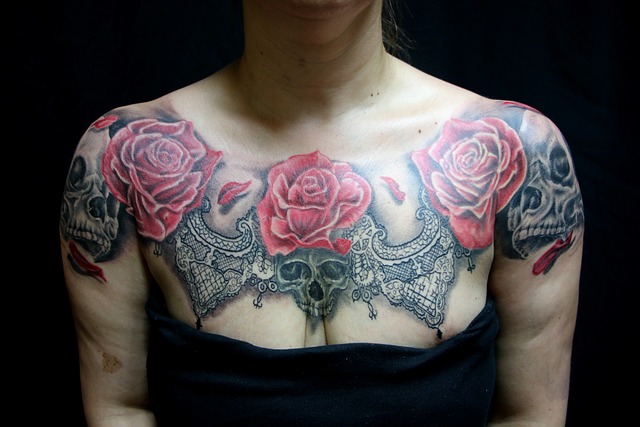
Origins of the Skull in Mexican Iconography
Long before European contact, skull imagery held sacred meaning among Aztec and Mesoamerican civilizations. Skulls symbolized the cyclical nature of life, death, and rebirth—a worldview central to indigenous cosmology. Rituals such as those honoring Mictecacihuatl, the goddess of death, celebrated mortality as part of existence rather than its end. These traditions laid the groundwork for what would later become Día de los Muertos celebrations.
Transformation Through Colonial and Postcolonial Eras
With colonization came Catholic syncretism that blended indigenous beliefs with Christian theology. The skull motif adapted into new hybrid forms—seen in folk art, murals, and eventually tattooing. Artists used these images to preserve cultural identity under suppression. Over time, the skull became a language of resilience against erasure, expressing both mourning and defiance through art.
Día de los Muertos and Its Influence on Tattoo Aesthetics
The modern skull Mexican tattoo owes much of its symbolism to Día de los Muertos traditions. This festival reimagines death as reunion rather than loss, shaping how artists design calavera-inspired tattoos today.
The Meaning of Calaveras in Contemporary Tattoo Art
Calaveras—decorative skulls often adorned with flowers or candles—represent remembrance more than morbidity. Tattoo artists incorporate marigolds for life’s transience or candles for spiritual continuity between worlds. These tattoos celebrate ancestors while affirming cultural pride within Latinx identity.
Color Symbolism and Design Variations
Color choices carry deep symbolic weight. Bright hues express vitality and joy, echoing the festive tone of Día de los Muertos altars. In contrast, black-and-gray designs evoke introspection and ancestral reverence. Many artists personalize sugar skull motifs to tell stories about heritage or migration experiences.
Identity Expression Through Skull Tattoos in Latinx Communities
Beyond aesthetics, skull tattoos function as acts of cultural reclamation within Latinx communities navigating histories of displacement and assimilation.
Tattoos as Acts of Cultural Reclamation
For many Latinx individuals, tattooing revives indigenous visual traditions once marginalized by colonial rule. Marking the body becomes an assertion of belonging—a way to re-inscribe erased narratives onto living skin. These tattoos serve dual roles: intimate memorials and collective symbols of resistance against homogenization.
Negotiating Latinx Identity Across Borders
In diasporic contexts like Los Angeles or Chicago, skull tattoos bridge homeland memories with new cultural realities. They reflect hybrid identities shaped by bilingualism, migration stories, and generational shifts. Artists reinterpret motifs to speak both to ancestral continuity and contemporary urban life.
Artistic Techniques and Symbolic Layers in Skull Mexican Tattoos
The artistry behind skull Mexican tattoos merges technical mastery with profound symbolism. Each stylistic choice—from shading to ornamentation—carries layers of meaning tied to history and spirituality.
Stylistic Approaches Among Tattoo Artists
Authenticity often lies in precision: clean linework, gradient shading, intricate floral details. Some artists blend Chicano aesthetics that emerged from 20th-century social movements—introducing political commentary alongside traditional imagery. Choices between realism or abstraction reveal personal philosophies about how culture should be represented on skin.
Hidden Meanings Embedded in Design Elements
Floral embellishments often symbolize femininity or fertility; roses may signify love transcending death. Religious motifs like crosses or rosaries integrate faith into cultural storytelling without losing indigenous roots. Placement also matters: chest tattoos may represent protection over loved ones; forearm pieces act as visible reminders of ancestry carried daily.
The Sociocultural Dimensions of Skull Tattoos Beyond Aesthetics
While visually captivating, these tattoos function as narrative vessels preserving family histories and community memory across generations.
Tattooing as a Medium for Storytelling and Memory Preservation
Each design encapsulates personal loss or celebration—transforming grief into artful remembrance. Tattoo sessions sometimes coincide with memorial anniversaries or spiritual milestones such as Día de los Muertos gatherings. Through inked imagery, private mourning becomes collective affirmation that lineage endures beyond mortality.
Contemporary Interpretations Within Global Tattoo Culture
Global exposure has brought skull Mexican tattoos into mainstream fashion circles worldwide. Yet this popularity sparks debates about appropriation versus appreciation. Authentic representation depends on contextual respect—not imitation detached from meaning. Latinx tattooists play vital roles here by educating clients on symbolism while maintaining fidelity to cultural heritage through grounded artistry.
FAQ
Q1: What does a skull Mexican tattoo symbolize?
A: It symbolizes cycles of life and death rooted in Mesoamerican beliefs while representing remembrance and resilience within modern Latinx identity.
Q2: Why are bright colors used in these tattoos?
A: Bright colors signify vitality and joy drawn from Día de los Muertos traditions celebrating life even amid death.
Q3: How do artists maintain authenticity when designing these tattoos?
A: Authenticity comes from understanding historical context, using culturally significant motifs like marigolds or calaveras rather than generic skull imagery.
Q4: Are black-and-gray versions less traditional?
A: Not necessarily; they emphasize introspection and ancestral reverence instead of festive expression but remain deeply rooted in tradition.
Q5: How do these tattoos connect diaspora communities?
A: They serve as visual bridges linking migrants with their ancestral homelands while expressing evolving hybrid identities across borders.