How Are Native American Tattoos Tribal Designs Redefining Cultural Identity
Native American Women Are Bringing Back Facial Tattoos: ‘We’re a Living Culture’
The resurgence of Native American tattoos marks more than an artistic revival; it is an act of cultural reclamation. Across North America, Indigenous women are leading this movement, reintroducing ancestral tattooing as a form of identity, resilience, and sovereignty. These designs, once suppressed by colonial policies, now reappear as visible statements of survival and continuity. The return of facial tattoos in particular challenges outdated stigmas and reaffirms that Native cultures are not relics but living, evolving traditions.
The Revival of Native American Tattoos and Their Cultural Significance
The story of tribal tattooing among Indigenous peoples spans thousands of years. Before colonization, tattooing was integral to personal history and community belonging. Its decline mirrored the suppression of language, ceremony, and land rights—but today its return signals cultural endurance.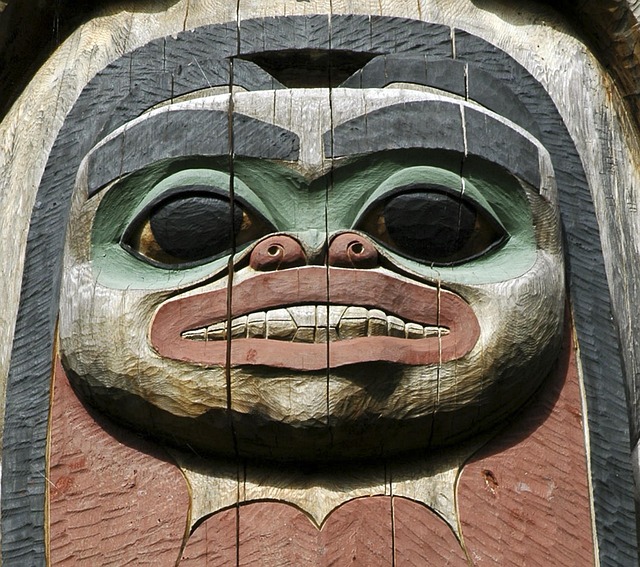
Historical Context of Tribal Tattooing Traditions
Indigenous tattooing varied widely across tribes such as the Inuit, Haida, Lakota, and Diné. Each group developed unique motifs that reflected their environment and cosmology. Lines on the chin or cheeks often denoted maturity or social role, while geometric patterns marked achievements in hunting or warfare. Placement was never random; it carried spiritual weight tied to the body’s energy points. Colonization disrupted these traditions through missionary bans and assimilation programs that labeled tattoos as “pagan.” By the late 19th century, many practices had nearly vanished under external pressure.
Rediscovering Ancestral Identity Through Tattoo Revival
In recent decades, Indigenous artists have revived ancestral designs using both traditional hand-poke techniques and modern machines. This revival is deeply political—it asserts cultural sovereignty over bodies once policed by colonial institutions. For many communities, tattoo ceremonies now serve as acts of remembrance linking generations separated by assimilation policies. Younger practitioners learn from elders who recall fragments of lost knowledge, piecing together patterns from oral histories and museum archives.
Symbolism and Design Elements in Tribal Tattoos
The meaning behind native american tattoos tribal lies in their layered symbolism. Patterns are not decorative; they encode genealogy, territory, and spiritual protection.
Traditional Patterns and Their Meanings
Common motifs include dots representing stars or ancestors’ spirits and lines marking life milestones such as childbirth or first hunts. Regional differences remain strong: Arctic women’s facial tattoos symbolize endurance against harsh climates, while Plains tribes favor symmetrical chest markings tied to warrior societies. In some matrilineal groups like the Yup’ik or Inuit, women’s chin tattoos signified readiness for marriage or mastery of domestic skills—visual affirmations of adulthood within their communities.
Modern Interpretations of Ancestral Designs
Contemporary Indigenous tattooists reinterpret ancestral art with subtle innovation—using color gradients or minimalist geometry while preserving symbolic integrity. Balancing authenticity with individual expression remains crucial; artists often consult tribal councils before adapting sacred motifs. Ethical practice demands context: sacred symbols should not be commodified or detached from their cultural roots for fashion purposes.
The Role of Women in Reviving Tattoo Traditions
Women stand at the forefront of this cultural renaissance. Their leadership reshapes narratives around beauty, strength, and autonomy within Indigenous societies.
Women as Cultural Custodians and Artists
Female tattooists reclaim roles once silenced by colonial gender norms. By inscribing ancestral marks on skin, they act as both historians and healers—transmitting knowledge through art rather than text. For many artists, each line represents defiance against centuries of erasure while celebrating matrilineal continuity.
Intergenerational Healing Through Tattoo Practices
Tattoo gatherings often function as community healing events where stories are shared alongside ink. The process reconnects participants with lost relatives or forgotten languages through ceremony and song. These moments transform pain into pride—a visible dialogue between past wounds and present recovery.
Techniques, Tools, and Materials in Contemporary Tribal Tattooing
Reviving ancient methods requires careful adaptation to modern standards without losing authenticity.
Traditional Methods Versus Modern Equipment
Hand-poking remains central to many revivals because it mirrors ancestral rhythm—slow punctures guided by breath rather than electricity. Some regions also restore skin-stitching methods using bone needles threaded with soot-dyed sinew. Yet hygiene protocols align with current health codes to prevent infection while honoring craftsmanship passed down through generations.
The Use of Tattoo Healing Creams in Indigenous Practice Today
Aftercare blends tradition with innovation. Natural salves made from cedar oil or bear fat were historically used to soothe inflamed skin; today’s practitioners may combine these with modern tattoo healing cream formulations that meet dermatological safety standards. Integrating plant-based balms within indigenous frameworks maintains both physical care and spiritual respect for the body’s renewal process.
Cultural Identity, Representation, and Ethical Discourse in Indigenous Tattoo Art
As native american tattoos tribal gain visibility beyond reservations, ethical questions arise about representation and ownership.
Navigating Cultural Appropriation Versus Appreciation
Non-Indigenous adoption of tribal designs can distort meanings when detached from context. True appreciation requires collaboration with Native artists who hold authority over their symbols. Consent is essential—each mark carries lineage that cannot be replicated without acknowledgment.
Tattoos as Visual Narratives of Living Cultures
Every revived motif tells a story still unfolding. Tattoos serve as living archives preserving languages once endangered and memories once forbidden to speak aloud. They remind observers that Indigenous identity evolves—not frozen in museums but written daily on human skin.
FAQ
Q1: Why are facial tattoos particularly significant among Native American women?
A: Facial tattoos historically marked maturity or social role among women in tribes like the Inuit or Yup’ik; reviving them restores visibility to matrilineal heritage once suppressed by colonial rule.
Q2: What distinguishes traditional hand-poke techniques from machine methods?
A: Hand-poking uses manual tapping with natural tools such as bone needles to insert pigment slowly into skin layers; machines rely on electricity for speed but can replicate similar precision when guided by trained artists.
Q3: How do communities maintain hygiene while practicing traditional tattooing?
A: Many combine sterilized tools with ceremonial protocols—balancing public health regulations with ritual purity central to ancestral practice.
Q4: Can non-Indigenous people wear tribal-inspired tattoos respectfully?
A: Only through direct collaboration with Native artists who grant permission based on context; copying sacred motifs without consent constitutes appropriation rather than respect.
Q5: What role does tattoo healing cream play in modern indigenous aftercare?
A: It supports recovery by keeping new tattoos moisturized while integrating traditional herbal ingredients like sage or cedar oil that align with cultural healing customs.