What Makes Cursive Tattoo Lettering Fonts Ideal for Handwriting Designs
The Best Handwriting Fonts to Add Personality to Your Designs
Handwriting fonts are more than decorative elements; they shape emotional tone and define visual identity. Among them, cursive tattoo lettering fonts stand out for their fluid grace and expressive detail. They merge artistry with precision, bridging personal expression and design function. For professional designers, these fonts offer a balance between legibility and emotion, making them ideal for branding, editorial layouts, or tattoo compositions. The best handwriting fonts add personality not by complexity but through rhythm, proportion, and movement that reflect human touch.
The Aesthetic Appeal of Cursive Tattoo Lettering Fonts
Cursive tattoo lettering fonts occupy a unique space in typography where art meets intention. Their aesthetic appeal relies on the interplay of line movement, weight variation, and spatial rhythm that mimic authentic handwriting.
Understanding the Artistic Essence of Cursive Forms
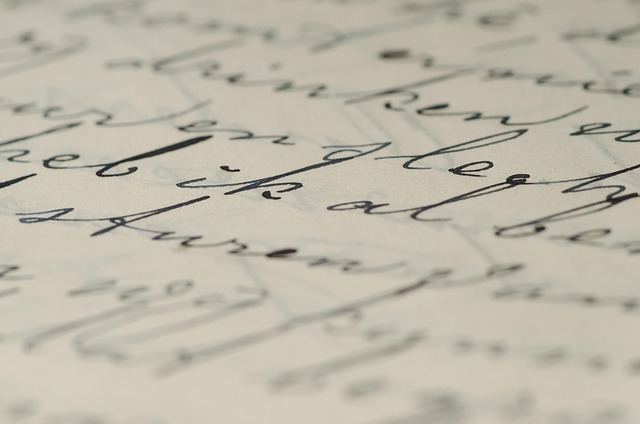
Cursive lettering embodies a natural flow that brings elegance to visual communication. Its continuous strokes create motion across the page or skin, allowing each letter to connect seamlessly with the next. This uninterrupted rhythm evokes authenticity similar to handwritten notes or calligraphic art. Designers often highlight variations in line weight to introduce depth and texture; thicker downstrokes contrast with delicate upstrokes to form a balanced composition. Such structural nuances give cursive tattoo lettering fonts their timeless charm while maintaining clarity even in intricate designs.
How Cursive Tattoo Fonts Convey Emotional Expression
Typography carries emotion as much as meaning. In cursive tattoo lettering fonts, every curve and flourish can suggest sentiment—romance through soft loops, nostalgia through vintage stroke endings, or sophistication through refined ligatures. These stylistic cues allow designers to translate intangible feelings into visible form. Because cursive writing flows organically, it enhances intimacy in tattoos or printed messages alike. A simple phrase gains emotional gravity when rendered in script that feels hand-drawn rather than mechanically produced.
Technical Characteristics That Define Quality Cursive Tattoo Fonts
The technical foundation of any script font determines its usability across mediums. In tattoo applications especially, precision and legibility are critical since fine details must survive scaling and ink diffusion.
Structural Balance and Legibility in Script Design
Good cursive tattoo lettering depends on spacing consistency and proportional balance. Letters must breathe without breaking connection; too tight a kerning reduces readability while excessive gaps disrupt continuity. Professional type designers pay special attention to ascenders and descenders so that wordforms align harmoniously along the baseline. Smooth vector paths also matter—clean Bézier curves prevent distortion when enlarged for wall art or reduced for small tattoo stencils.
The Role of Stroke Dynamics in Font Craftsmanship
Stroke dynamics define how alive a font feels. Controlled pressure variations replicate penmanship techniques where ink density shifts naturally with movement. In high-quality cursive tattoo lettering fonts, the contrast between thick and thin strokes adds dimension without sacrificing clarity. Moreover, consistent stroke endings—whether rounded or tapered—signal craftsmanship integrity. These subtle refinements separate amateur scripts from professional-grade typefaces suitable for both digital design systems and permanent body art.
Integrating Cursive Tattoo Lettering into Handwriting Design Projects
Integrating cursive scripts requires sensitivity to context. Each project demands alignment between form and message; what works for a wedding invitation may not suit a minimalist brand logo.
Matching Font Personality with Design Intentions
Every font carries personality traits shaped by its construction style. Designers select cursive tattoo lettering fonts that echo project themes: modern elegance through simplified strokes, vintage charm through ornate swashes, or luxury through high-contrast flourishes. When paired strategically with sans-serif companions, scripts gain balance—expressiveness meets readability. Contextual adaptation ensures cohesion so that typography enhances narrative rather than dominating it.
Application Techniques for Digital and Print Media
For digital design or print production, vector-based formats are essential because they preserve crispness across resolutions. Tattoo artists often rely on scalable outlines to maintain fidelity from sketch to stencil transfer. Layering effects such as subtle grain textures can amplify handwritten realism on posters or packaging materials. Kerning adjustments further refine alignment across mediums where screen rendering differs from ink absorption on paper or skin.
The Psychological Impact of Handwritten Aesthetics in Typography
The human brain responds instinctively to handwriting because it mirrors organic imperfection and individuality—a quality increasingly valued in digital culture dominated by uniformity.
How Cursive Lettering Shapes Perception and Engagement
Cursive forms invite engagement by appearing personal rather than mechanical. Slight irregularities signal authenticity; they remind viewers of human presence behind design decisions. Brands using cursive tattoo lettering fonts often appear approachable yet sophisticated—a balance hard to achieve with geometric sans-serifs alone. This emotional resonance fosters trust and memorability within audiences accustomed to sterile visual environments.
Cultural Associations of Cursive Tattoo Lettering Styles
Cultural heritage influences how script styles are perceived globally. Western calligraphy traditions emphasize refinement rooted in copperplate techniques, while contemporary tattoo culture reinterprets these forms as symbols of identity expression—names rendered in flowing lines become personal emblems of story and belonging. Regional variations enrich this landscape: Latin-inspired scripts favor flamboyant loops; East Asian interpretations lean toward minimalism infused with brush sensibility.
Evolving Trends in Cursive Tattoo Lettering Font Design
Typography evolves alongside technology and cultural shifts. Modern cursive font creation blends traditional artistry with digital innovation while responding to sustainability concerns within design industries.
Digital Innovation in Script Font Creation Tools
Advanced software now replicates manual brushwork at microscopic precision levels once impossible digitally. Variable font technology introduces responsive stroke modulation across devices—thicker lines on small screens for readability; thinner ones on high-resolution prints for elegance. AI-assisted tools further accelerate customization workflows yet still depend on designer intuition for artistic coherence.
Sustainability and Minimalism in Modern Script Typography
Environmental awareness reshapes typographic practice too. Simplified cursive forms reduce ink consumption during printing without losing expressive warmth—a small but meaningful shift toward eco-conscious production standards observed by professional studios worldwide (as noted by ISO environmental management frameworks). Minimalist adaptations also improve functional clarity; stripped-down curves communicate emotion efficiently while maintaining accessibility across scales from signage to tattoos.
FAQ
Q1: Why are cursive tattoo lettering fonts popular among designers?
A: They combine emotional depth with structural beauty, offering versatility across branding, editorial layouts, and body art where personal expression matters most.
Q2: How can legibility be maintained when using ornate script styles?
A: By adjusting letter spacing, simplifying flourishes at smaller sizes, and testing visibility under different lighting or printing conditions before finalization.
Q3: What software is best suited for designing custom cursive tattoos?
A: Professional tools like Adobe Illustrator or specialized font editors enable precise vector control essential for scalable applications such as tattoos or signage.
Q4: Are minimalist script styles replacing traditional ornate ones?
A: Not entirely; minimalism trends coexist with decorative revivalism depending on cultural context and client preference within contemporary typography markets.
Q5: How do cultural influences shape modern cursive designs?
A: Global exchange has merged regional aesthetics—Western calligraphic grace meets Eastern brush fluidity—creating hybrid styles that reflect today’s interconnected creative environment.