Is an Arm Placement Tattoo the Best Choice for Your First or Next Piece?
Why Is an Arm Placement Tattoo So Popular?
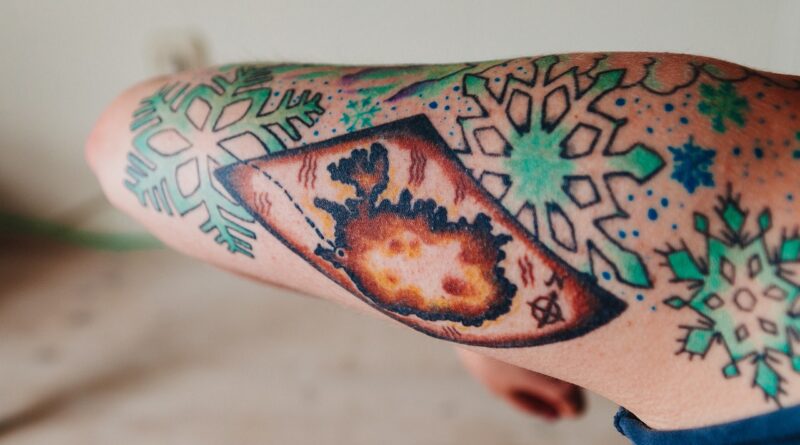
An arm placement tattoo is a common choice because the arm gives both the client and the artist useful options. It can be shown, covered, kept small, built into a larger piece, or placed in a way that feels personal without forcing one fixed style. When people compare tattoo placements, the arm usually comes up early. It gives enough room for the artist to plan the layout, and it lets you decide how often the tattoo is seen.
Tattoos are part of normal life now, not a rare choice. Pew Research Center reported in August 2023 that 32% of U.S. adults have at least one tattoo, based on a survey of 8,480 adults conducted July 10 to 16, 2023. The same report found that 22% of U.S. adults have more than one tattoo. That is why placement planning matters before the first session starts. (pewresearch.org)
Easy Visibility Control
The arm gives you clear control over how public your tattoo feels. A wrist tattoo may show during a handshake, while an upper arm tattoo can stay under a short sleeve. That small difference can matter at work, at family events, or in places where body art still gets noticed. Some people want the tattoo to be seen, and others just want the option to cover it.
Strong Shape for Many Designs
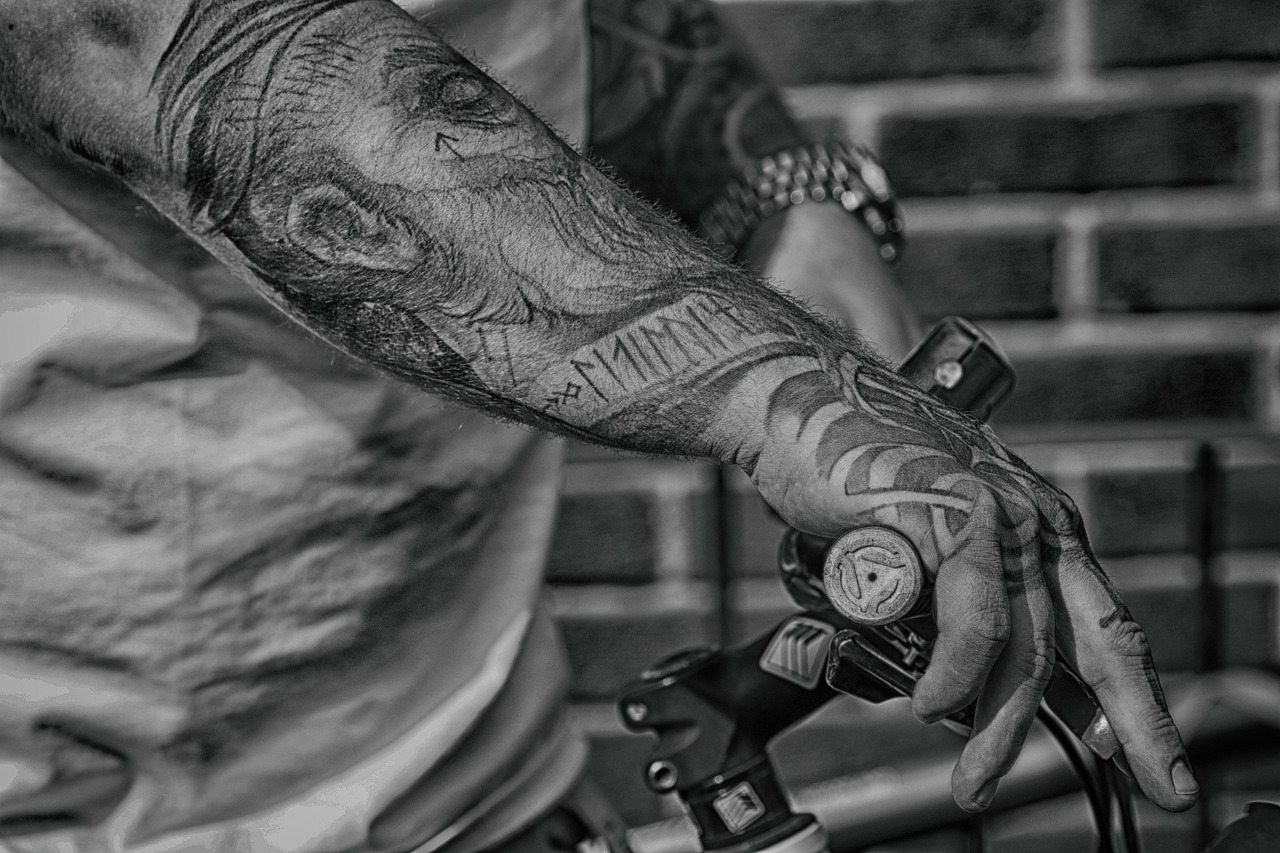
The arm has a natural line from the shoulder to the wrist, so it works well for script, florals, dragons, geometric patterns, portraits, bands, and fine-line symbols. Long designs can follow the forearm, while rounder designs often sit better on the shoulder or outer upper arm. A good placement should look like it belongs on that part of the body. It should not look like a sticker placed there at the last minute.
Good Balance for First Tattoos
For a first tattoo, the arm often feels easier to plan than the ribs, throat, hand, or face. You can start with a small inside forearm piece, a clean upper arm design, or a hidden inner bicep tattoo. It is still a permanent mark, so it should not be picked after five minutes of scrolling at midnight. The FDA describes tattooing as the insertion of ink into the skin with needles or other tools, so the choice deserves real thought before you book. (fda.gov)
Which Arm Area Fits Your Tattoo Idea Best?
Not every part of the arm gives the same feel. A forearm tattoo looks direct, a shoulder tattoo feels classic, and an inner arm tattoo is more private. Before choosing size or color, match the idea to the area where it can sit naturally.
Forearm for Clear Display
The forearm is popular because the art is easy to see, including by you. It suits script, narrow illustration, botanical work, symbolic designs, and clean blackwork. The outer forearm usually gives a flatter surface, so lines can stay neat when the arm rests in a normal position. If the design has text, ask the artist to check how it reads when your hand turns inward or outward.
Upper Arm for Larger Art
The upper arm gives more space and usually works well for medium or large tattoos. It can hold a portrait, animal, religious image, biomechanical piece, or traditional design with strong shading. It also hides under most T-shirts, which helps if your job or daily routine calls for a quieter look. Many sleeve projects begin here because the shoulder and upper arm can support the rest of the layout.
Inner Arm for Private Meaning
The inner bicep and inner forearm feel more personal because they are not always visible. Names, dates, memorial symbols, and quiet fine-line pieces often work well in this area. Pew Research Center reported in 2023 that 69% of tattooed U.S. adults said they got a tattoo to honor or remember someone or something. That reason fits the more private feel of the inner arm. (pewresearch.org)
How Much Does an Arm Tattoo Hurt?
Pain is part of tattooing, but it is not the same for everyone. Sleep, stress, placement, needle time, and shading can all change how the session feels. There is no reliable public medical database that gives exact pain numbers for every arm spot. Most people use artist experience and client feedback as practical guides.
Outer Arm Feels More Manageable
The outer forearm and outer upper arm are often described as easier spots because they have more muscle and fewer sharp bone edges than the wrist, elbow, or ribs. That does not mean painless. It means many clients can get through these areas with normal breaks, steady breathing, and a proper meal before the appointment. If it is your first tattoo, this area is often easier to sit for than a tighter or more bony spot.
Inner Arm Feels More Sensitive
The inner arm has softer skin and more sensitivity, especially near the armpit and elbow ditch. A tiny word may be simple there, but dense shading can start to feel rough very quickly. If you want a large inner arm design, talk with the artist about session length. A two-hour session may feel fine, while a six-hour inner bicep session can become a long afternoon.
Elbow and Wrist Need Extra Patience
The elbow, elbow ditch, and wrist can be harder because the skin moves, bends, and sits close to bone or tendons. These areas also need careful healing because they flex often during normal use. If you work with your hands, lift weights, wear tight watch bands, or type all day, tell your artist before the appointment. They may suggest timing the session so the skin gets a calmer healing window.
How Should You Match Design Size to Arm Placement?
A tattoo can be done cleanly and still look off if the size does not fit the placement. The arm changes shape when you bend, rotate, flex, or relax it. Good planning looks at movement, not only a flat stencil photo.
Small Tattoos Need Breathing Room
Small does not mean you can ignore layout. A tiny star, word, or symbol needs enough open skin around it so it does not look cramped. On the wrist or inner forearm, spacing matters because jewelry, sleeves, and natural skin folds can crowd the design. Fine lines may also soften over time, so micro details should not be packed too tightly.
Medium Tattoos Suit the Forearm
A medium tattoo on the forearm can look complete without turning into a full sleeve. Think 3 to 7 inches, depending on your arm size and the art style. A snake, flower stem, dagger, quote, small portrait, or abstract shape can use the forearm’s length without wrapping too much. This size is also easier to build around later if you decide to add more work.
Large Tattoos Need a Sleeve Plan
If you may want a sleeve one day, say that before the first stencil goes on. A tattoo that sits too low, too centered, or at a strange angle can make future work harder. Sleeve planning usually looks at the shoulder cap, outer arm, inner arm, elbow gap, and wrist finish. Even if you start with one piece, it is smart to leave usable space for the next one. See also: tattoo care.
What Should You Know About Healing and Safety?
A good arm tattoo still needs safe tools, clean technique, and careful healing. The arm is easier to reach than the back, but it also rubs against sleeves, desks, gym equipment, bedding, and sunlight. The first two weeks need attention, even if the tattoo looks fine on day three.
Clean Studio Standards
Choose a licensed studio where needles are single-use, surfaces are cleaned between clients, and the artist opens supplies in front of you. The FDA has reported infections linked to contaminated tattoo inks and allergic reactions to inks themselves. This does not mean tattoos are automatically unsafe. It means you should treat the process like a skin procedure, because the skin barrier is being broken. (fda.gov)
Simple Aftercare Habits
Follow your artist’s aftercare instructions, keep the area clean, and avoid picking flakes. The American Academy of Dermatology advises using a water-based lotion or cream when tattooed skin feels dry, and it notes that petroleum-based products can make ink fade. A plain routine is usually enough: clean hands, gentle washing, light moisture, and loose clothing. If your artist gives specific timing for washing or wrapping, follow that instead of copying advice from a random comment thread. (aad.org)
Warning Signs That Need Help
Some redness, swelling, and tenderness can be normal at first. Worsening pain, spreading redness, yellow discharge, fever, or a hot swollen area is not the same thing. The Mayo Clinic lists skin infection, allergic skin reactions, and keloids among possible tattoo risks. If the symptoms look wrong, contact a medical professional instead of asking strangers online to judge a blurry photo. (mayoclinic.org)
How Can an Arm Tattoo Age Well?
A fresh tattoo photo is only the first stage. Arm tattoos deal with sun, friction, workouts, shaving, dry skin, and years of movement. A tattoo that ages well usually has clear contrast, sensible spacing, and a placement that does not fight daily life.
Bold Contrast Holds Better
Fine-line tattoos can look clean when fresh, but tiny details may soften as the skin changes. Strong contrast, clear negative space, and readable shapes often hold up better over time. That does not mean every tattoo must be heavy blackwork. It means the design needs enough structure to stay readable after the first sharp look settles.
Sun Care Protects the Ink
Forearms get a lot of sun, especially during driving, outdoor work, beach days, and quick errands. Sun exposure can fade tattoo pigment faster and can also make skin checks harder. The American Academy of Dermatology notes that tattoos may make it harder to see early signs of skin cancer. Keep the area protected, and do not tattoo over a mole without medical guidance. (aad.org)
Future Additions Need Space
If you may add more tattoos later, leave room around the first one. A clean gap can become a background, filler, smoke, leaves, stars, or another small piece. Crowding the arm too early can make future work look patched together. Empty skin is not wasted space; sometimes it is what makes the next tattoo possible.
FAQ
Q1: Is an Arm Placement Tattoo Good for a First Tattoo? A: Yes, it can be a good first choice because the arm offers flexible visibility, many size options, and easier aftercare than areas you cannot reach. Start with a placement that fits your daily life and your pain tolerance.
Q2: What Is the Least Painful Arm Tattoo Spot? A: Many people find the outer forearm or outer upper arm easier than the inner arm, wrist, or elbow. Pain still changes from person to person, so plan breaks if the design is large.
Q3: Should an Arm Tattoo Face You or Face Others? A: It depends on the design. Personal symbols may face you, while portraits, animals, and most decorative work usually look better facing outward in a natural body position. Ask your artist to show both stencil options before you decide.
Q4: Can You Hide an Arm Tattoo at Work? A: Upper arm tattoos are usually easy to hide with short sleeves. Forearm and wrist tattoos are more visible, though long sleeves, watches, or bracelets may cover smaller pieces when needed.
Q5: How Long Does an Arm Tattoo Take to Heal? A: Surface healing often takes about two to three weeks, but deeper settling can take longer. Follow your artist’s care steps, avoid picking, protect it from sun, and get medical advice if signs of infection appear.