Which Forearm Tattoo Ideas Will Still Look Good Years from Now?
How Do You Choose Forearm Tattoo Ideas That Fit Real Life?
Good forearm tattoo ideas are not only pictures that look nice on a phone. They have to work with your arm shape, daily clothes, job setting, skin tone, and the reason you want the tattoo. A forearm tattoo is easy for you to see and easy for other people to notice, so a rushed design is hard to ignore later.
Forearm tattoos are also visible without being as exposed as hand or neck tattoos. Pew Research Center reported in August 2023 that 32% of U.S. adults have at least one tattoo, and 22% have more than one, based on a survey of 8,480 adults conducted from July 10 to July 16, 2023. That matters because visible tattoos are more common now, but planning still decides whether you enjoy the piece or keep covering it with a sleeve. (pewresearch.org)
Start with Visibility and Daily Clothing
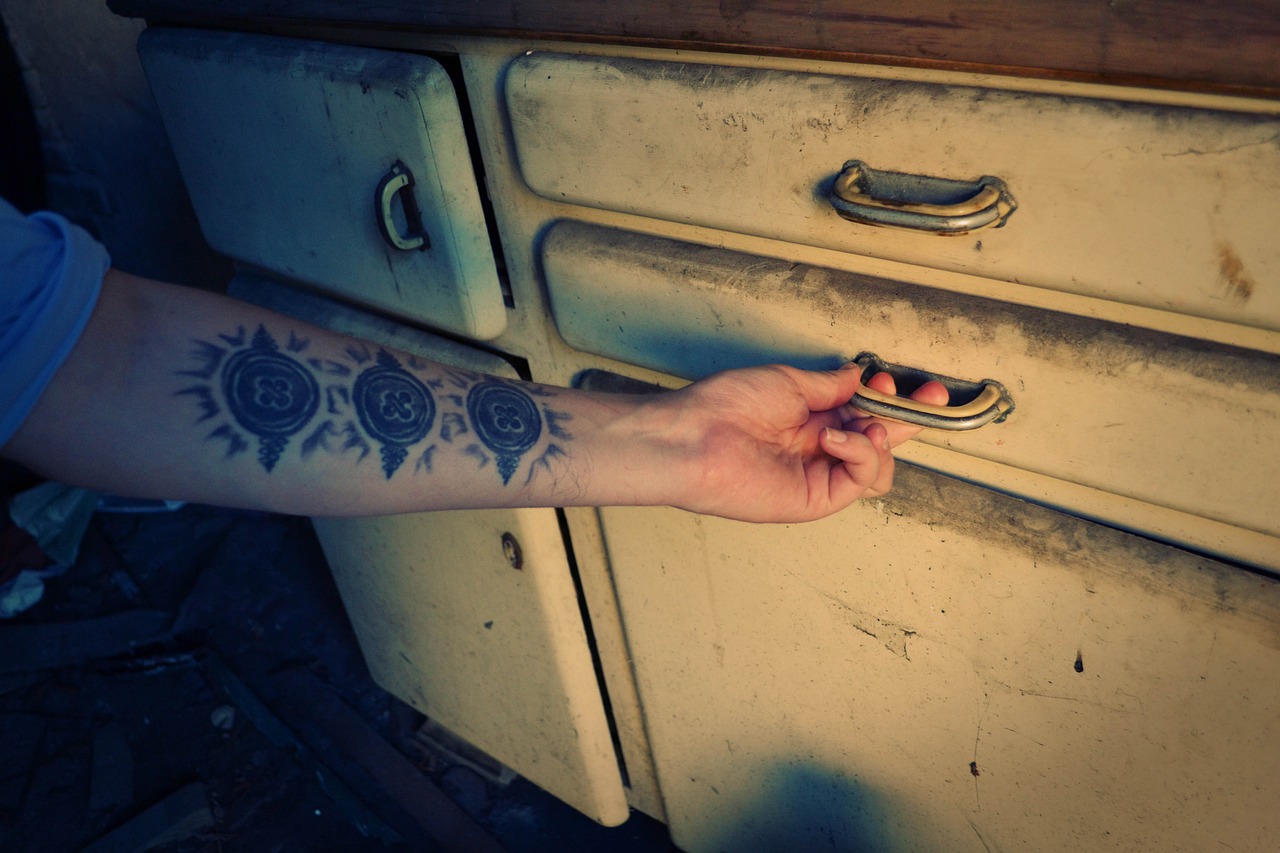
Your forearm is public, but it is not always in view like your hand or neck. The inner forearm feels more private because it faces you, while the outer forearm reads more clearly from a distance. If you wear button-down shirts, medical scrubs, chef coats, or uniforms, check where the cuff ends. A design that shows by half an inch can look unplanned, while a tattoo placed a little lower can look more deliberate.
Match the Design to Your Reason
A forearm tattoo usually works better when the idea has a clear purpose. It can stand for family, grief, faith, travel, survival, or just your personal taste. Pew Research Center found that 69% of tattooed U.S. adults got a tattoo to honor or remember someone or something, 47% got one to make a statement about what they believe, and 32% got one to improve their appearance. If your idea starts with meaning, turn that meaning into a clear image, such as a birth flower, a compass, a date, or a small item linked to a real memory.
Think About Regret Before the Appointment
Regret is common enough to think about before you book. Pew Research Center also reported that 24% of tattooed Americans say they regret at least one tattoo. Keep the design on your phone for a week, then print it at real size and tape it near your mirror. If it still feels right during normal days, not only after late-night scrolling, it has a better chance of staying meaningful.
Which Forearm Tattoo Styles Work Best?
The forearm is long and slightly curved, so the style matters. Some designs need space, some need firm lines, and some lose clarity when too much detail is pushed into a small area. A good artist will adjust the drawing to your arm instead of placing a flat image on moving skin.
Fine Line Botanical Tattoos
Fine line flowers, vines, olive branches, ferns, and wild herbs are popular because they follow the forearm shape well. A single stem can run from the wrist toward the elbow without feeling too heavy. For better aging, ask for enough space between the lines. A leaf that is too small may turn into a dark spot over time, so clean spacing matters more than extra detail.
Blackwork Geometry and Bands
Blackwork fits the forearm because it gives clear contrast. Geometric bands, dotwork mandalas, abstract panels, and negative-space shapes can still read well from a distance. This style also helps if you want a tattoo that does not rely on color. Wraparound bands need careful stencil work, because arms are not perfect cylinders and a line that looks straight on paper can shift when your wrist turns.
Traditional, Neo-Traditional, and Illustrative Pieces
Traditional and neo-traditional tattoos often use bold outlines, clear shapes, and solid color blocks. Those features help a forearm tattoo stay readable after sun exposure, movement, and normal skin change. Panthers, roses, daggers, birds, snakes, ships, skulls, and framed portraits all fit this area when sized properly. Illustrative work can also sit well here if the artist keeps the main subject clear and uses shading without crowding the piece.
What Forearm Tattoo Ideas Can Tell Your Story?
A forearm tattoo is different from a back piece because you see it all the time. That can feel good if the idea still matters, but it can become tiring if the design was chosen too quickly. Story-based designs usually work better when they say one thing clearly instead of trying to cover your whole life in one crowded collage.
Memorial Symbols with Quiet Details
Memorial tattoos do not need to be large to carry weight. A birth flower, a handwritten word, a small bird, a favorite tool, or coordinates tied to a place can be enough. If you use handwriting, keep it large enough for the letters to breathe. Small cursive may look nice on a screen, but skin is not paper, and readable detail often works better than a long paragraph.
Travel, Faith, and Personal Milestone Themes
Maps, mountains, waves, stars, prayer hands, crosses, moons, and compass needles work well on the forearm because they can be placed vertically. A mountain line can follow the outer arm, and a constellation can sit more quietly near the inner forearm. A short verse or mantra can also work, but keep it brief. If the phrase needs three lines and extra explanation, it may be better kept in a journal than on your skin.
Art That Looks Personal without Explaining Everything
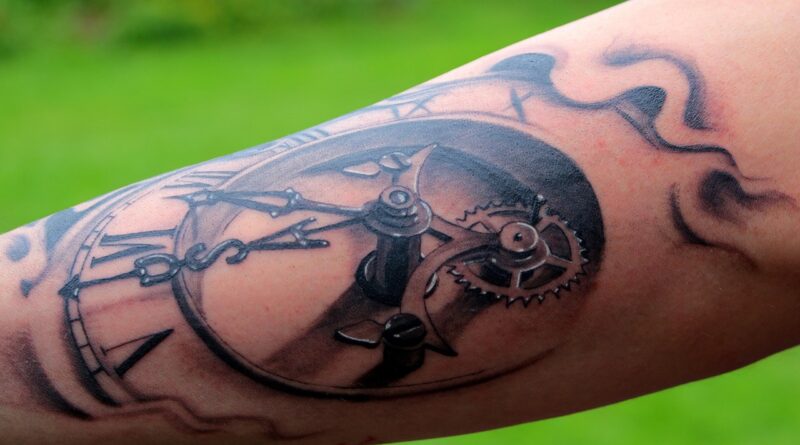
You do not need to explain the full story behind your tattoo to everyone. Abstract shapes, surreal animals, old keys, broken clocks, moths, masks, or simple black rectangles can feel personal without turning every coffee run into a long conversation. A little mystery is fine. In many cases, it makes the tattoo easier to live with.
Where Should a Forearm Tattoo Sit?
Placement changes how the tattoo feels. The same rose can look softer on the inner forearm, stronger on the outer forearm, and more graphic when it wraps around the arm. Before choosing the spot, bend your elbow, turn your wrist, and see how the skin moves. A forearm tattoo is seen in motion more often than in a perfect photo.
Inner Forearm for Softer Personal Work
The inner forearm is a common place for scripts, fine-line florals, small portraits, symbolic dates, and spiritual designs. It faces you when your palm turns up, so it can feel personal even though it is easy to show. It may also get a bit less sun than the outer arm. The area near the wrist and elbow crease can feel sharper during the session, so ask your artist how to keep the design away from heavy bending.
Outer Forearm for Strong Public Designs
The outer forearm works well for bolder pieces because it is naturally visible. Animals, traditional designs, armor-inspired patterns, daggers, snakes, and larger floral work often sit well in this area. If you want the tattoo to show when your arm rests at your side, the outer forearm usually does that. It is a more open placement, which is exactly why many people choose it.
Wraparound Layouts for Motion and Flow
Wraparound tattoos can look good with vines, smoke, waves, dragons, snakes, barbed wire, or abstract bands. The main point is flow, because the design has to work from the front, side, and back. Ask for a full stencil check in the mirror and turn your arm slowly. If one part looks crowded or stretched, fix it before the needle starts. See also: tattoo care.
How Big Should Your Forearm Tattoo Be?
Size is not only a style choice. It decides how much detail the tattoo can hold and how well the design can age. A small tattoo can be the right choice, but it should not be packed with tiny lines. Medium tattoos often give a better balance, while full forearm work needs a larger plan so later additions do not become awkward.
Small Tattoos Need Clean Shapes
Small forearm tattoos work best when the shape is easy to read, such as a star, flame, single flower, tiny animal, initials, simple symbol, or short word. The design should be clear enough for someone to understand at arm’s length. If you want a bee, the body and wings need separation. If you want a tiny face, be careful, because faces need room and cramped faces age fast.
Medium Pieces Give Detail Room
Medium forearm tattoos, roughly palm-sized or a little larger, can hold shading, texture, and supporting details without becoming a full sleeve. This size works for a moth with moon phases, a rose and dagger, a small dragon, a framed landscape, or a pet portrait with clean linework. It is also easier to place around watches, bracelets, and existing tattoos. That makes it a practical size for people who may add more work later.
Full Forearm Work Needs a Plan
If you want a full forearm tattoo, think in sections. The wrist, center forearm, and area below the elbow all move and sit differently. Leave some negative space so the tattoo does not turn into one dark block. If you might build a sleeve later, tell the artist now, because a strong standalone piece can still create layout problems if it sits where a future focal point should go.
How Do You Plan for Safety, Healing, and Long-Term Care?
Good forearm tattoo ideas still need safe work. The U.S. Food and Drug Administration lists possible tattoo risks such as infections, allergic reactions, granulomas, keloid formation, increased chance of sunburn, swelling, burning, MRI complications, and removal problems. The FDA page was current as of October 15, 2024, so the basic takeaway is clear: choose the studio as carefully as you choose the design. (fda.gov)
Pick a Studio with Clear Safety Habits
A professional studio should make hygiene easy to see. Fresh needles, clean work surfaces, sealed supplies, gloves, and proper ink handling are basic requirements, not special extras. Mayo Clinic notes that tattoo rules and licensing vary by state and locality, and it advises choosing trained professionals rather than do-it-yourself kits. If a studio acts annoyed when you ask safety questions, that tells you enough to leave.
Watch Healing Instead of Guessing
Normal healing can include soreness, light redness, flaking, and itching. That does not mean every skin reaction should be ignored. The American Academy of Dermatology says infection signs can include redness that spreads or darkens, pain that gets worse, fever, chills, pus, open sores, or a painful bumpy rash. If those signs appear, contact a doctor or board-certified dermatologist instead of waiting for the tattoo to “settle.” (aad.org)
Protect the Tattoo After It Heals
Forearms deal with sun, friction, soap, gym sweat, and small knocks from desks and car doors. After the tattoo heals, treat it like skin you paid money to protect. Use sunscreen when it is exposed, and keep it moisturized without covering it in heavy products. If your work keeps your arms outdoors most of the day, darker linework and clear contrast may be a better choice than pale color details that need more upkeep.
FAQ
Q1: Are Forearm Tattoos a Good First Tattoo? A: Yes, the forearm can be a good first tattoo because it is easy to reach, easy to clean, and simple to check while healing. Start with a size and placement that fit your normal life.
Q2: Do Inner Forearm Tattoos Hurt More Than Outer Forearm Tattoos? A: Pain is different for each person, but the inner forearm can feel more sensitive, especially near the wrist and elbow crease. The outer forearm often feels easier for many clients.
Q3: What Forearm Tattoo Ideas Age the Best? A: Designs with clear shapes, enough spacing, and solid contrast usually age better. Bold florals, traditional pieces, blackwork, simple symbols, and well-sized lettering often hold up better than tiny crowded details.
Q4: Can You Hide a Forearm Tattoo at Work? A: Often, yes. Long sleeves, jackets, or some uniforms can cover a forearm tattoo. Still, check your workplace rules before choosing a very low wrist placement that may show when sleeves move.
Q5: Should a Forearm Tattoo Face You or Face Others? A: Personal symbols and reminders often face you. Decorative or public-facing designs often face outward. There is no single rule, but decide before the stencil goes on.