Is a Native American Owl Tattoo the Right Choice for Your Next Ink?
A native american owl tattoo can feel strong, quiet, and personal at the same time. It is not just a standard owl with a few feathers added around it. If you are looking into tattoo culture, this idea needs more checking than saving a fast image from social media.
Tattoos are common now, but the reason behind a tattoo still counts. Pew Research Center reported in August 2023 that 32% of U.S. adults have at least one tattoo, and many tattooed adults say they use ink to honor someone or show a belief. That fits this topic well, because an owl can stand for memory, warning, night guidance, or a private change. Source: Pew Research Center, August 2023. (pewresearch.org)
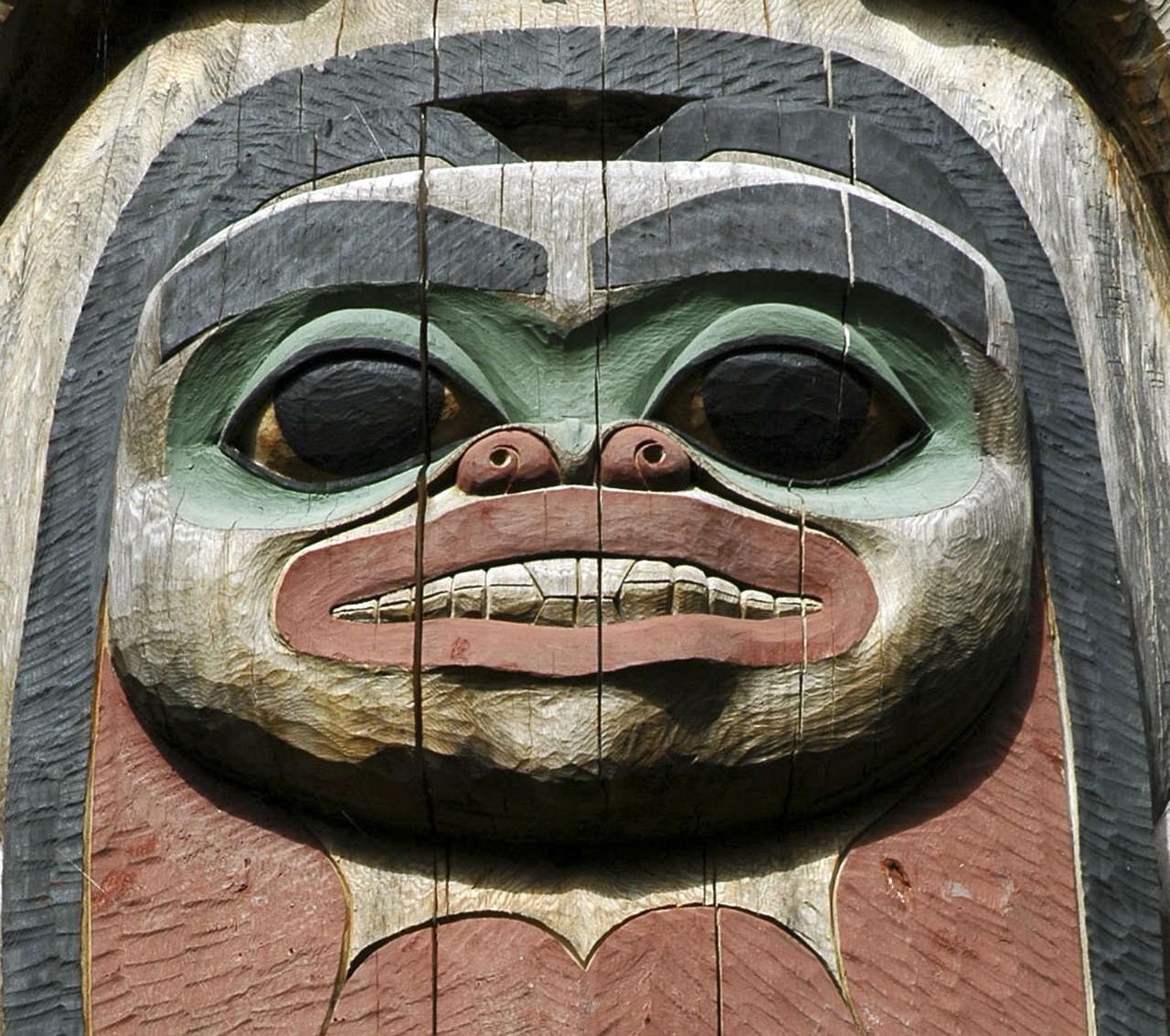
Native American identity is not one style or one story. The U.S. Census Bureau counted 9.7 million people who identified as American Indian and Alaska Native alone or in combination in the 2020 Census, while the Smithsonian National Museum of the American Indian notes that about 500 distinct Native languages were historically spoken in North America. Broad labels can miss big cultural differences, so the wording and design choice need care. Source: U.S. Census Bureau, 2021; Smithsonian Native Knowledge 360°. (census.gov)
What Does a Native American Owl Tattoo Really Mean?
The meaning depends on the story you choose and the cultural lane you stay in. An owl in a tattoo can look good, but calling it Native American gives the design more weight. You should know whether the idea comes from personal inspiration, family heritage, or a symbol tied to a specific nation.
Owl Meanings Shift by Nation
There is no single Native American owl meaning. In some stories, owls connect with warning, night, death, law, or knowledge that is not open to everyone. In other settings, an owl may feel protective or watchful. If a design claims one exact tribal meaning, ask where that claim came from before you use it.
Night Vision Signals Watchfulness
For many modern tattoo clients, the owl works because it can see in the dark. That idea can point to patience, quiet focus, survival, or getting through a hard period. A small owl eye tattoo on the forearm can say enough without trying to look ceremonial. It keeps the message personal and easier to explain.
Death Symbols Need Special Care
Because owls may connect with death or bad omens in some Native stories, this design should not be treated like a cute forest image. If your tattoo honors grief, make that personal meaning clear in the layout. A date, moon phase, or plain feather can say more than a copied sacred image. It also keeps the design closer to your own story.
Why Can This Design Become Culturally Sensitive?
Native-inspired tattoos can cross a line when they turn living people into costume details. The question is not only whether you like the look. The real issue is whether the image repeats stereotypes or uses symbols that were never meant for public use.
Tribal Nations Are Living Communities
The Smithsonian describes the National Museum of the American Indian as a resource for Native communities and the public, focused on Native cultures past and present. That wording matters because these cultures are not only material from an old book. They are living communities with artists, elders, families, laws, and boundaries. Source: Smithsonian Institution, National Museum of the American Indian. (si.edu)
Sacred Motifs Are Not Clip Art
A war bonnet, medicine wheel, ceremonial mask, clan mark, or prayer object should not be placed in a tattoo just because it fills empty space. If you do not know the source, take a safer visual route with owl anatomy, moonlight, pine branches, stars, wind, or a personal landscape. These choices can still give the tattoo depth. They also avoid making a claim you cannot support.
Stereotypes Can Cause Real Harm
The National Congress of American Indians has long opposed unsanctioned Native-themed mascots and caricatures, saying they degrade and harm Native people, especially youth. That statement is about mascots, but the point also applies to tattoos. When Native identity is flattened into a logo or costume image, people can be hurt by it. Source: National Congress of American Indians. (ncai.org)
Which Owl Style Fits Your Story Best?
Once the cultural line is clear, the art choice is easier to handle. A strong tattoo does not need to be loud. Many Native American owl tattoo ideas work better when the drawing is cleaner, calmer, and more personal than the crowded versions often seen on old flash sheets.
Realistic Owl Portraits
A realistic owl portrait works well if you want a serious design with detail. The artist can build texture in the face, eyes, and feathers without using sacred marks. This style needs space, usually at least palm size, so the eyes do not blur after a few years. If the piece is too small, the face can lose shape as it heals and ages.
Blackwork Feathers and Eyes
Blackwork gives the owl a clean, firm look. Heavy black shapes can frame the eyes, while dot shading can make the feathers read better. It often ages better than small color blends. Ask your artist to show healed blackwork, not only fresh photos taken under studio lights.
Geometric Framing Without Sacred Claims
Geometry can make the tattoo look modern without making false cultural claims. Circles, triangles, and clean borders can guide the eye toward the owl. Keep the wording honest, though. Do not call a shape tribal if it is only decorative, because clear language is part of respectful design.
Where Should You Place a Native American Owl Tattoo?
Placement changes the whole feel of the tattoo. Owls depend on eyes, wings, and feather flow, so tight areas can make the piece look muddy. Choose a body area that fits the size the design needs, not only the size that seems cheaper.
Forearm Placement for Clear Detail
The forearm is easy to read and easy to show. A vertical owl sits well there, especially if the face is near the upper forearm and the feathers taper toward the wrist. It is also a practical spot if you want to check the stencil closely before the needle starts. You can turn the arm and see how the face lines up from more than one angle.
Upper Arm or Shoulder Flow
The upper arm gives the artist more curve to work with. Wings can wrap a little, and the shoulder cap can hold a moon or sky element. This placement feels solid without being too public. That can suit a design tied to grief, family, or a private change. See also: tattoo care.
Back and Chest Space for Larger Scenes
A back or chest piece can hold a full owl, landscape, and night sky. That space helps if you want realism and more feather detail. It also means a larger budget and more sitting time. Large feather work can take hours longer than many clients expect, and that is worth planning for.
How Can You Work with a Tattoo Artist Respectfully?
A good artist can draw a clean owl. A better artist will also ask why the Native American reference matters to you. Go into the consultation ready to talk about your reason, your limits, and any cultural connection you can explain honestly.
Bring Personal Reasons, Not Costume Images
Bring photos of owls, landscapes, heirlooms, handwriting, or memories connected to your idea. Avoid bringing a board full of random warriors, headdresses, and movie-style mystic symbols. That kind of reference pack tells the artist you want a general mood, not a careful design. Personal references usually lead to a better tattoo anyway.
Ask About Line Weight and Aging
Fine feathers can look great on day one, then soften with time. Ask how thick the main lines should be, where black should sit, and which details can be simplified. A tattoo that ages cleanly is better than a tiny detailed piece that turns into gray fuzz. This is a normal studio discussion, not a difficult request.
Review Stencils with Fresh Eyes
When the stencil goes on, take a minute before saying yes. Move your arm, sit down, and check the face from three feet away. If something feels off, say it before the tattoo starts. A calm pause in the studio can save years of mild regret.
What Should You Avoid before and After Booking?
The safest choice is not always the plainest choice. You can still get a strong owl tattoo with meaning and personality. The key is to avoid lazy cultural shortcuts and to care for the skin after the appointment.
Generic Tribal Pattern Copying
Skip anonymous tribal bands, copied beadwork, random glyphs, and symbols pulled from search results with no source. If you have Native heritage, consider speaking with family or community members before using a specific cultural mark. If you do not, stay with personal symbolism and owl-centered art. That route is cleaner and easier to stand behind later.
Healing Rules from the Studio
Follow your artist’s aftercare sheet first, because products and bandages vary from studio to studio. The FDA warns that contaminated inks can cause infections and that allergic reactions can happen. Redness that spreads, fever, pus, or a rash that gets worse should be taken seriously. Source: U.S. Food and Drug Administration. (fda.gov)
Sun Plans and Touch Ups
Fresh tattoos do not do well in sun. The American Academy of Dermatology advises broad-spectrum, water-resistant SPF 30 or higher on healed tattoos exposed to sunlight. For an owl with dark eyes and fine feathers, sun care is not about vanity. It helps keep the design readable. Source: American Academy of Dermatology. (aad.org)
FAQ
Q1: Is a Native American owl tattoo offensive? A: It can be offensive if it copies sacred, ceremonial, or tribe-specific imagery without permission or context. An owl tattoo with personal symbolism, careful checking, and no fake tribal claims is usually a safer route.
Q2: Can You Get This Tattoo Without Native Heritage? A: You can choose an owl tattoo inspired by night, wisdom, grief, or protection. Be careful with the words Native American if you have no cultural link. Keep the design honest and avoid symbols that belong to specific communities.
Q3: What Is the Best Style for This Tattoo? A: Realism, blackwork, and clean geometric framing are strong choices. They let the owl carry the design without depending on borrowed sacred imagery. Pick the style that fits your skin tone, placement, and budget.
Q4: Where Does an Owl Tattoo Look Best? A: The forearm, upper arm, shoulder, chest, and back can all work well. Choose a space large enough for the eyes and feathers. If the owl is too small, the detail may fade into a dark patch over time.
Q5: What Should You Ask the Artist First? A: Ask whether the design uses any tribe-specific symbols, how the lines will age, how many sessions it may take, and what aftercare the studio recommends. A respectful consultation should feel clear, not rushed.