
What do Different Tattoo Meanings Really Say About You?
Why do Different Tattoo Meanings Matter Before You Book?
When you compare different tattoo meanings, you are doing more than choosing a clean image. You may be marking a memory, a belief, a family link, or a joke that only a few people understand. Pew Research Center surveyed 8,480 U.S. adults in July 2023 and found that 32% had at least one tattoo. Among tattooed adults, 69% said honoring or remembering someone or something was one reason for their ink. That says a lot: meaning often comes before style, even when the finished tattoo looks simple. (pewresearch.org)
Your Personal Reason Sets the Tone
A tattoo can start with grief, pride, faith, travel, recovery, love, or plain taste. The same butterfly can stand for a late sister, a new life after divorce, or just a liking for small delicate tattoos. Before you meet an artist, write one clear sentence: ‘This tattoo means…’ Leave it for a week, then read it again. If it still sounds true, the idea has a better base.
Public Reading Can Differ from Private Meaning
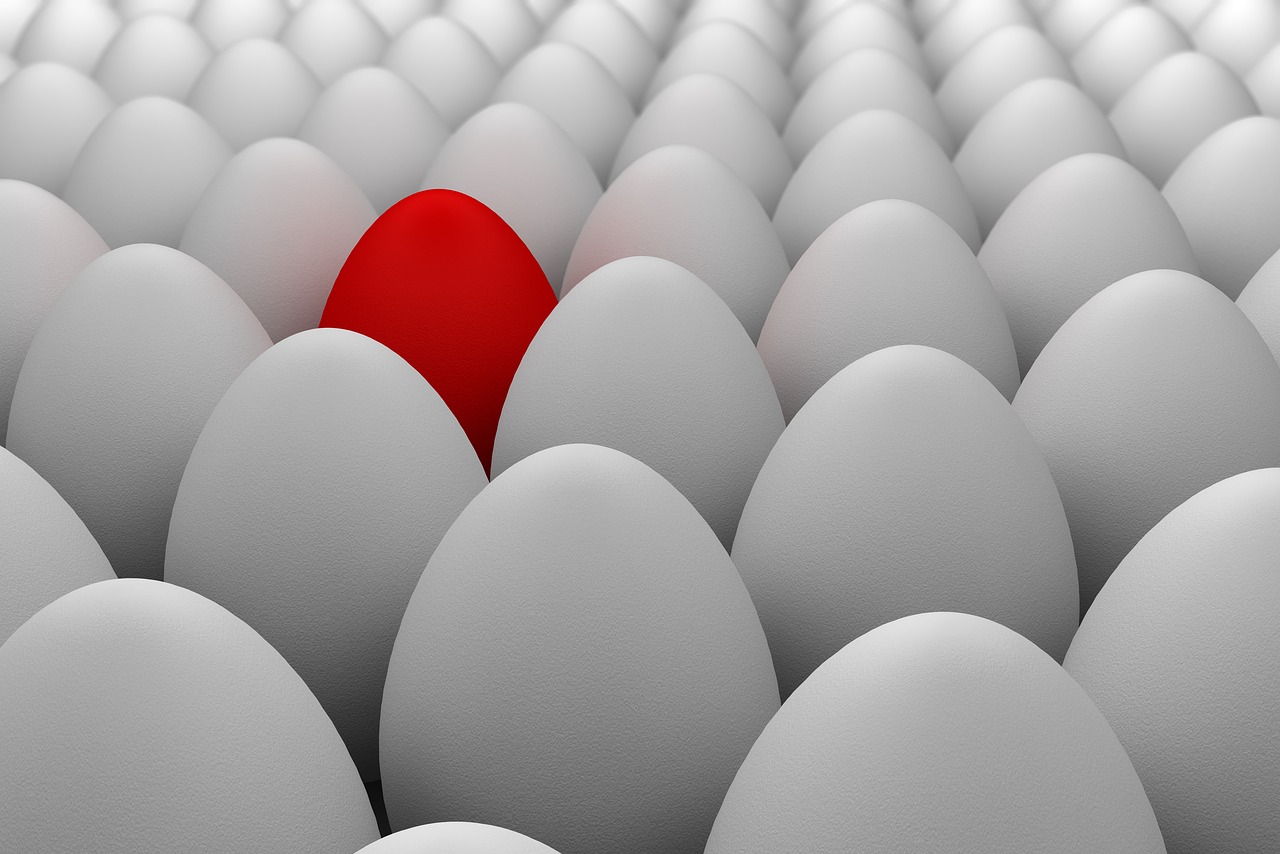
People see the image before they know the story. A skull may look dark to someone else, while to you it feels protective. A rose may look romantic, but it might be about your grandmother’s garden. This gap is common, so good tattoo planning looks at both sides: what it means to you and what it may say in daily life.
Regret Often Starts with a Rushed Choice
Pew also reported in 2023 that 24% of tattooed Americans said they regretted at least one tattoo. That does not make tattoos a bad idea. It means rushed timing, poor placement, weak artwork, and unclear meaning can wear badly over time. Taking a short pause helps, especially with names, trend symbols, and designs picked during a hard emotional week. (pewresearch.org)
Which Classic Tattoo Meanings Still Feel Timeless?
Classic tattoo symbols stay in demand because they are easy to read and still leave room for personal detail. They work on shoulders, forearms, ribs, ankles, and backs. A date, a short script line, a color change, or one added object can turn a common design into something that feels like yours.
Roses Speak Through Color and Context
Rose tattoos often point to love, beauty, devotion, and the harder side of desire. Red roses usually read as romantic. Black roses often suggest loss, farewell, or a hard ending, while yellow can feel warm and friendly. Add thorns, and the tattoo may show that beauty came with pain. Add a clock, and it can speak about time, aging, or a moment you do not want to forget.
Anchors Point to Steadiness
Anchor tattoos came from sea life, but the meaning now goes far beyond sailors. They often stand for stability, loyalty, home, or the person who keeps you grounded. An anchor with a name can feel very personal. An anchor with waves may say you have been through rough water and still held your place. It is a simple symbol, but it does not have to feel plain.
Skulls Can Mark Courage or Change
Skull tattoos get misread often. They can point to death, danger, and rebellion, but they can also mean courage, survival, humor, or a clear view of how short life is. In a studio consultation, a skull with flowers feels very different from a skull with flames. One puts life and death together; the other feels harder and more direct.
How do Animal Tattoo Meanings Change by Species?
Animal tattoos work because people connect traits to animals without much effort. Strength, loyalty, freedom, patience, speed, and wisdom are easier to picture through a creature. The meaning still changes by species, pose, and style. A sleeping wolf is not the same as a snarling wolf, and a tiny bird behind the ear does not speak like an eagle across the chest.
Lions Signal Pride and Protection
Lion tattoos usually suggest strength, leadership, courage, and family protection. A lioness can carry a strong motherly meaning. A lion with a crown often leans toward power and self-rule, though it can look heavy if there is too much detail. For a cleaner result, many clients choose a lion face with soft shading, then add birth flowers or initials for a personal layer.
Snakes Carry Renewal and Risk
Snake tattoos can mean danger, healing, wisdom, temptation, rebirth, or transformation. The reason is both visual and symbolic, since snakes shed their skin. A coiled snake feels guarded. A snake wrapped around a dagger feels more aggressive. A snake with flowers softens the design and can suggest growth after a hard season. It is a strong symbol, so placement needs thought.
Birds Make Freedom Feel Personal
Bird tattoos often point to freedom, movement, hope, and the need for open space. Swallows may suggest return and loyalty. Ravens can feel mysterious, clever, or tied to grief. Doves usually read as peace or faith. A small bird tattoo can look clean without feeling childish, especially when the line work is steady and the wings have natural motion.
What do Cultural Tattoo Meanings Ask from You?
Cultural tattoos can carry real weight, so they need care before you copy a design. Some designs are not just ‘patterns.’ They may hold family history, rank, faith, ceremony, or community memory. If a design comes from a living culture that is not yours, slow the process down. Ask who has the right to wear it, whether a nontraditional version is acceptable, and how the symbol is used today.
Māori Tā Moko Has Genealogy and Identity
Te Ara, the Encyclopedia of New Zealand, notes that from the 1980s Māori renaissance, tā moko became an important way to express Māori or tribal identity. That matters because tā moko is not the same as a random tribal-style tattoo. It can relate to ancestry, belonging, and cultural presence. If you like the look but do not have that heritage, ask about respectful alternatives, such as Māori-inspired art made for non-Māori clients by qualified artists. (teara.govt.nz)
Polynesian Motifs Need Cultural Care
Polynesian tattoo traditions differ across islands and communities, so one broad meaning will not fit every design. The Metropolitan Museum of Art describes Tahitian arts as tied to gods, spirits, ancestors, and the adornment of chiefs, priests, warriors, and high-status people. That background should affect how you choose a design. A band copied from a random image board may look bold, but it may also reduce something sacred to decoration. (metmuseum.org)
Sacred Symbols Deserve Real Research
Crosses, mandalas, yantras, prayer text, deities, eyes, and protective marks can carry strong religious or spiritual meaning. A simple rule helps: do not tattoo a sacred symbol only because it fills space well. Learn its source, direction, placement norms, and common taboos before booking. If reliable public information is not available for a symbol, say so and ask a cultural practitioner or specialist instead of guessing.
How Can Placement Change Tattoo Meaning?
Placement can make a quiet tattoo feel public, or a bold tattoo feel private. The same word on the ribs can feel like a secret. Put it on the hand, and it becomes part of every handshake, photo, and work meeting. AARP research reported that 75% of American adults surveyed felt society has become more accepting of tattoos, but 58% of nontattooed adults still believed visible tattoos make it harder to find a job. (aarp.org)
Visible Areas Turn a Design into a Daily Statement
Forearms, wrists, calves, and upper chest areas are seen often, so the meaning becomes part of your public look. This can work well. A memorial date on the forearm may help you remember someone every day. A strong political or belief-based tattoo in the same place may also bring questions when you are only trying to buy coffee. That small daily detail is worth thinking about. See also: tattoo care.
Hidden Ink Keeps Meaning Close
Ribs, hips, upper thighs, backs, and inner arms often hold tattoos with more private meaning. These spots suit grief pieces, intimate quotes, spiritual marks, and designs linked to body confidence. Hidden placement also gives you more control. You decide when to show it, who sees it, and what story comes with it.
Hands, Neck, and Face Raise the Stakes
Hand, neck, and face tattoos carry strong visual weight. Even small designs in these areas can shape first impressions. AARP found that 24% of people with visible tattoos had covered them for a job interview, and 17% had covered them at work. If you want one of these placements, test the design with temporary ink first, then think about your field, family life, and future goals. (aarp.org)
What do Color and Style Add to Tattoo Meaning?
Color and style work like tone of voice. A black rose, a red rose, and a watercolor rose do not say the same thing. Style can make a tattoo feel vintage, spiritual, soft, harsh, playful, or serious. Before you approve the final drawing, look at healed examples, not just fresh photos. Fresh ink can look sharp and shiny; healed ink shows the more useful result.
Blackwork Gives Symbols a Sharper Voice
Blackwork tattoos often feel bold, graphic, and direct. They suit snakes, daggers, geometric shapes, lettering, moths, and heavy floral pieces. Because the contrast is strong, the meaning can feel more serious. Blackwork also tends to age clearly when the design has enough open skin, although skin type and aftercare still affect the final look.
Fine Line Tattoos Feel Quiet and Personal
Fine line tattoos are common for names, small florals, birth years, tiny animals, and soft spiritual symbols. Their meaning usually feels private rather than loud. The tradeoff is detail. If the design is too small, letters can blur over time. A good artist may suggest a slightly larger size, and that advice is worth hearing even if you wanted the tattoo barely visible.
Color Choices Can Shift the Mood
Color can change the mood of a tattoo. Blue often feels calm or loyal. Red can feel intense, romantic, angry, or alive. Green may suggest nature, luck, or healing. Purple may feel mystical or royal. These are common readings, not fixed rules, and skin tone, contrast, style, and the full design all shape how the color reads.
How Should You Choose a Meaning You Will Keep?
The best tattoo meaning is not always the deepest one. Sometimes a simple design lasts because it still feels true on normal days, not only on hard or dramatic days. Choose a meaning that can grow with you. A tattoo about strength may age better than a tattoo about one exact argument, breakup, or 2 a.m. mood.
Start with a Story, Not a Trend
Trends can be fun, but they move fast. Start with the story, then choose the symbol. If your story is about your father teaching you to fish, an old lure, water line, date, or small boat may feel more honest than a generic compass. If your story is recovery, a plant cutting with new roots may say more than a common slogan.
Test the Design in Real Life
Print the design at actual size. Tape it near the placement and look at it in a mirror, under a shirt sleeve, and in a quick phone photo. Live with it for a few days. It is a simple check, but it works. You may notice the script is too thin, the symbol feels too trendy, or the placement is close but needs to move two inches.
Ask Safety Questions Before Ink
Meaning matters, but safety affects how well the memory heals. The U.S. Food and Drug Administration says tattoo reactions can include infections from contaminated ink, allergic reactions, scar tissue, granulomas, and rare swelling or burning during MRI exams. The FDA also notes that even unopened tattoo inks can contain bacteria or other microorganisms. Ask your artist about sterile tools, ink handling, aftercare, and what to do if healing looks wrong. (fda.gov)
FAQ
Q1: What are the Most Common Different Tattoo Meanings? A: The most common meanings include remembrance, love, strength, faith, freedom, identity, protection, healing, and major life change. Pew Research Center’s 2023 survey supports this pattern, with honoring or remembering someone or something listed as the top reason among tattooed adults.
Q2: Can One Tattoo Have More than One Meaning? A: Yes. A single tattoo can carry several layers. A rose with a date can mean love, grief, family, and time at the same time. That layered meaning often makes a design feel more personal and less like a copied image.
Q3: Are Animal Tattoos Always Linked to Strength? A: No. Some animal tattoos mean strength, but others point to freedom, loyalty, mystery, rebirth, patience, or spiritual protection. The species, pose, style, and added elements all change the final message.
Q4: Is It Okay to Get a Cultural Tattoo Design? A: It depends on the design, your connection to the culture, and how the symbol is used. Some marks belong to specific families, communities, ceremonies, or identities. Research first, ask qualified people, and choose a respectful alternative when needed.
Q5: How do You Avoid Regretting a Tattoo Meaning? A: Give the idea time, write down the meaning, test the design at actual size, choose a skilled artist, and avoid rushed choices. If the design still feels right after normal daily life returns, it has a better chance of aging well.