
How Does Tattoo Practice Skin Reflect Korea’s New Legal Tattoo Landscape
Korea’s Top Court Overturns 34-Year Precedent, Rules Non-Physician Tattooing Not Illegal Medical Practice
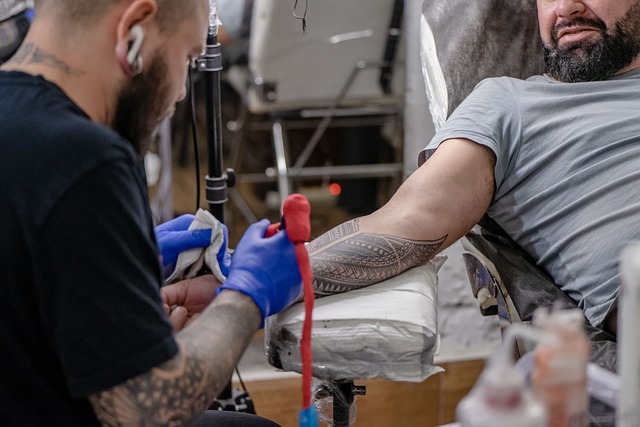
The Supreme Court of Korea has redefined the legal boundaries of tattooing, ruling that tattooing by non-physicians no longer constitutes an illegal medical act. This decision ends a 34-year precedent and signals a fundamental shift in how the country regulates body art. The judgment recognizes tattooing as an artistic service rather than a medical procedure, paving the way for professionalization, industry growth, and new training standards such as the use of tattoo practice skin. The change also reflects evolving cultural attitudes toward tattoos in Korean society.
The Shift in Korea’s Legal Framework for Tattooing
The recent Supreme Court decision represents one of the most significant changes in Korea’s approach to body modification and creative industries. It not only alters legal interpretation but also opens discussions about safety, education, and economic potential within the tattoo sector.
Overview of the Supreme Court’s Decision
The court overturned a long-standing rule that limited tattooing to licensed doctors. It reasoned that while tattoos involve puncturing the skin, they are performed for aesthetic expression rather than medical treatment. Therefore, tattooing cannot be classified as a medical act requiring physician oversight. This distinction separates artistic intent from therapeutic purpose. Enforcement authorities must now adapt existing health codes to recognize independent artists operating legally under hygiene and sanitation regulations instead of medical law.
Legal Reasoning Behind Distinguishing Tattooing From Medical Practice
Judges emphasized proportionality between risk and regulation. They noted that tattoo procedures carry minimal health risks when performed with sterile equipment and proper training. The court acknowledged international trends where tattooing is treated as a personal service industry regulated through hygiene standards rather than medical licensing. This reasoning aligns Korea with countries like Japan and parts of Europe where similar legal debates have concluded in favor of artistic freedom.
Implications for Existing Tattoo Regulations and Enforcement
This ruling compels administrative bodies to update enforcement frameworks. Local governments will likely introduce certification systems focusing on sanitation, infection control, and artist education. Public health authorities may issue new guidelines covering sterilization protocols similar to those used in beauty or piercing industries. For thousands of practicing artists previously operating underground, legalization brings legitimacy but also accountability under consumer protection laws.
Historical Context of Tattoo Regulations in Korea
To understand this transformation, it is essential to trace how tattoos were historically perceived and regulated in South Korea—a journey shaped by moral codes, social stigma, and underground resilience.
Origins of the 1992 Ruling That Restricted Tattooing to Licensed Physicians
The 1992 precedent stemmed from public health concerns during a period when infectious diseases were poorly understood by regulators. Authorities classified any skin-piercing activity as medical practice to minimize health risks. As a result, only physicians could legally perform tattoos under the Medical Service Act. This effectively criminalized most tattoo artists despite growing demand among youth subcultures.
Cultural and Social Perceptions of Tattoos in Korea Over Past Decades
For decades, tattoos symbolized rebellion or criminal identity due to associations with gang culture. Public institutions often barred visible tattoos among military personnel or civil servants. However, generational shifts began changing attitudes in the 2000s as K-pop idols and athletes displayed body art publicly. Today’s younger Koreans increasingly view tattoos as fashion statements or personal storytelling rather than defiance.
How Underground Tattoo Culture Evolved Under Restrictive Laws
Despite prohibition, thousands of artists developed thriving underground studios using word-of-mouth networks and private bookings through social media. Many trained abroad or practiced on tattoo practice skin before working on clients to refine technique safely without violating laws directly. These informal systems fostered strong community ethics emphasizing cleanliness even without official recognition.
The Role of Tattoo Practice Skin in Professional Training
As legal barriers fall, professional education becomes central to ensuring quality and safety across the expanding industry. Synthetic training materials now play an essential role in bridging artistry with technical precision.
Understanding Tattoo Practice Skin as a Tool
Tattoo practice skin refers to synthetic sheets made from silicone or rubber designed to mimic human dermis layers for needlework simulation. Unlike real skin, it offers consistent texture without biological variation or bleeding response. Artists use it to test ink flow, line consistency, shading gradients, and machine calibration before working on people. Because human skin absorbs pigment differently depending on moisture and elasticity, repeated drills on artificial surfaces help practitioners master control over depth and pressure—skills vital for both aesthetics and safety.
How Practice Skin Reflects Legal and Educational Shifts
Following legalization efforts, demand for professional-grade tattoo practice skin has surged among academies offering structured curricula. Training institutions now integrate synthetic models into standardized courses covering color theory, machine maintenance, hygiene management, and customer consultation ethics. Regulatory agencies have shown interest in certifying these materials under product safety standards similar to cosmetic equipment classification systems used internationally.
Regulatory Interest in Safety Standards for Training Materials and Equipment
With more formalized instruction emerging, oversight bodies are expected to define specifications for non-toxic materials used in training kits. Manufacturers may need compliance documentation verifying chemical safety under ISO or IEC testing frameworks applicable to dermal-contact products. Such alignment enhances trust among students investing in legitimate education pathways.
Professionalization and Standardization in the Tattoo Industry
Legal reform accelerates institutional development within Korea’s creative economy by turning informal craftsmanship into recognized vocational expertise supported by curriculum design and certification mechanisms.
Development of Training Institutions and Certification Systems
Accredited academies are expanding rapidly across Seoul and Busan offering multi-level programs that combine artistic design principles with dermatological knowledge. Courses cover sterilization methods derived from clinical hygiene protocols alongside digital design software instruction for stencil creation. Discussions are underway about establishing national licensing similar to cosmetology certificates that balance artistry with public health accountability.
Integration of Hygiene, Dermatology, and Design Theory Into Training Modules
Modern curricula merge disciplines once seen as separate: dermatology provides insight into skin structure; hygiene modules teach disinfection cycles; design theory develops visual composition skills suited for body contours rather than flat canvases. This interdisciplinary approach elevates tattooing from craftwork into applied art science recognized within vocational education frameworks.
Potential Future Licensing Systems Aligned With Public Health Standards
Government agencies may collaborate with educational institutions to create tiered licensing based on experience hours validated through supervised apprenticeships using certified tattoo practice skin. Such systems would mirror beauty industry models where sanitation audits accompany skill assessments ensuring consistent national quality benchmarks.
Market Dynamics Surrounding Tattoo Practice Skin Products
Economic ripple effects extend beyond studios into manufacturing sectors producing specialized materials supporting artist training worldwide.
Expansion of Domestic Manufacturing and Supply Chains
Korean companies have begun producing high-grade silicone-based tattoo practice skin optimized for realistic elasticity matching East Asian dermal tones more accurately than imported alternatives. Technological improvements enhance durability allowing repeated needle use without tearing—crucial for academy cost efficiency—and position domestic producers competitively within Asia-Pacific export markets driven by ethical sourcing trends.
Technological Innovations Improving Realism and Durability of Materials
Material engineers collaborate with artists testing pigment diffusion rates across polymer blends replicating epidermal resistance patterns observed through microscopy studies published by biomedical institutes. Feedback loops between laboratories and studios accelerate iteration cycles leading to lifelike texture replication unmatched five years ago.
Relationship Between Product Quality and Skill Development Outcomes
Empirical evidence from vocational schools shows students practicing on advanced synthetic skins achieve faster mastery over consistent line depth compared with those using basic rubber sheets. Enhanced tactile feedback reduces transition errors when moving from artificial surfaces to live clients thereby improving overall consumer satisfaction metrics tracked by emerging trade associations.
Broader Cultural and Economic Implications of Legal Reform
Beyond technical shifts lies a deeper cultural transformation reshaping how Koreans perceive body art’s place within modern identity narratives while unlocking new business frontiers.
Changing Public Perceptions Toward Tattoos in Korea
What was once taboo now appears routinely on television dramas or brand campaigns featuring inked models symbolizing authenticity rather than deviance. K-pop performers’ visible tattoos normalize individuality among fans influencing acceptance even among conservative demographics gradually softening institutional restrictions such as gym memberships or spa entry bans previously imposed on tattooed patrons.
Economic Opportunities Emerging From the New Legal Landscape
Legal clarity invites investment into studio chains franchising standardized services comparable to hair salons while spurring ancillary markets including pigment suppliers, sterilization device vendors, insurance providers specializing in liability coverage for artists, and tourism operators promoting “tattoo culture” travel experiences highlighting Korean aesthetics fused with global trends.
Policy Considerations for Balancing Industry Growth With Consumer Protection Standards
Authorities face balancing innovation with safety oversight ensuring that rapid commercialization does not compromise infection control integrity or exploit untrained practitioners entering newly liberalized markets too quickly without adequate supervision frameworks established through accredited training pipelines anchored around safe tattoo practice skin usage protocols.
FAQ
Q1: What does the Supreme Court ruling mean for Korean tattoo artists?
A: It means non-physician artists can legally operate studios provided they comply with hygiene standards instead of requiring medical licenses.
Q2: Why is tattoo practice skin important after legalization?
A: It allows safe skill development under controlled conditions essential for standardized education before working on human clients.
Q3: Will there be new licenses required for tattooists?
A: Authorities are considering creating official certification systems focusing on sanitation training rather than medical qualifications.
Q4: How will this affect consumers seeking tattoos?
A: Clients will gain access to licensed professionals operating transparently under health regulations improving safety confidence overall.
Q5: Could this boost Korea’s creative economy?
A: Yes; legalization encourages business expansion across art education manufacturing tourism contributing measurable GDP growth within cultural industries sectors.