How Does Tattoo Healing Cream Influence Long-Term Ink Longevity
Proper Aftercare Can Help Your New Tattoo Last Longer — Here’s What Experts Recommend
Tattoo aftercare is not just about keeping the skin clean; it’s a biological process that determines how well ink settles and stays vibrant over time. The right tattoo healing cream plays a central role in this process. When applied correctly, it maintains moisture balance, supports cell repair, and protects pigment from premature fading. Experts agree that consistent care during the first few weeks sets the foundation for long-term color stability and line precision.
The Biological Process of Tattoo Healing
Tattoo healing is a complex cellular event that mirrors the body’s natural wound repair system. Each stage influences how pigment integrates into the dermis and how the tattoo ultimately looks once healed.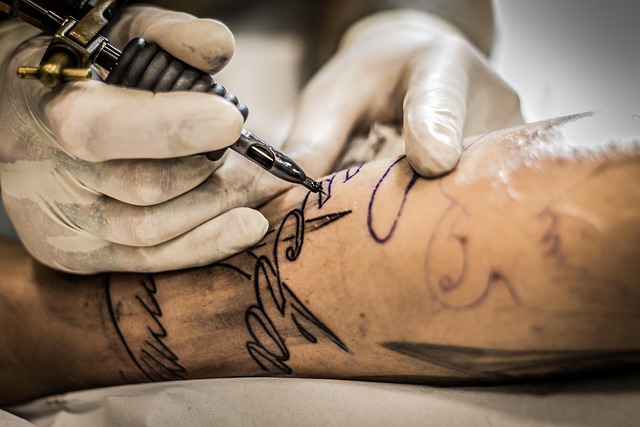
Understanding Skin Regeneration After Tattooing
Tattooing creates thousands of controlled micro-injuries in the skin. These trigger an immediate inflammatory response where immune cells rush to clear debris and bacteria. During the proliferative phase, fibroblasts produce collagen to rebuild tissue while macrophages encapsulate pigment particles within the dermis. The final remodeling phase strengthens collagen fibers, locking pigment in place permanently. Proper environmental support—clean air, balanced humidity, and sterile topical care—helps stabilize color during these stages.
Factors Affecting the Healing Timeline
Healing speed varies greatly between individuals. Skin thickness, hydration levels, and immune response all shape recovery time. Dry or dehydrated skin tends to flake more, risking pigment loss. External influences such as high humidity or UV exposure can slow regeneration by stressing new cells. Even an artist’s technique—especially needle depth—affects how evenly pigment settles.
Composition and Function of Tattoo Healing Creams
A well-formulated tattoo healing cream supports both comfort and pigment preservation by addressing inflammation, hydration, and microbial control simultaneously.
Key Active Ingredients in Professional Formulations
Professional creams often rely on emollients like shea butter or panthenol to maintain a breathable moisture layer without clogging pores. Antimicrobial agents such as chlorhexidine or silver ions help reduce infection risk while allowing normal bacterial flora to recover. Anti-inflammatory compounds including aloe vera or bisabolol calm redness and irritation, making early healing less painful.
Mechanisms of Action on Skin Repair
These creams work through occlusion—the creation of a thin barrier that prevents excessive water loss while shielding open skin from contaminants. Hydrating agents like glycerin draw moisture inward, promoting faster cell turnover so new keratinocytes can form smooth layers over embedded ink. Some bioactive ingredients also interact with cytokines, subtly influencing collagen synthesis for stronger dermal structure.
Influence of Healing Cream on Pigment Retention and Ink Longevity
How skin retains pigment depends largely on maintaining equilibrium between hydration and oxygen flow during recovery.
The Relationship Between Moisture Balance and Pigment Stability
If the skin dries out too much, scabs form thickly and may pull out pigment when they detach. Conversely, overly heavy ointments can suffocate cells, trapping heat and leading to blurred lines or dull patches. Balanced hydration allows uniform healing where pigment particles remain sealed within collagen bundles rather than being expelled.
Long-Term Effects on Color Saturation and Sharpness
A tattoo that heals correctly keeps its crisp edges longer because dermal collagen holds ink granules evenly dispersed. Ingredients that limit oxidative stress—like vitamin E or green tea extract—slow down chemical degradation of pigments exposed to sunlight over years. Consistent aftercare reduces patchy fading across large designs or gradients.
Comparing Different Types of Tattoo Aftercare Products
Choosing between ointments, creams, or natural balms depends not only on personal preference but also on tattoo style and skin physiology.
Before selecting a product category, professionals consider how each base interacts with oxygen flow, sebum production, and epidermal sensitivity.
Ointments
Ointments provide strong occlusion through petrolatum bases that trap moisture effectively but may hinder oxygen exchange if layered too thickly. They suit dry climates but can feel greasy under clothing or bandages.
Water-Based Creams
Water-based formulations absorb quickly without residue and are ideal for oily or acne-prone clients who need lighter coverage. Their humectant content supports hydration without blocking pores—a key factor for fine-line tattoos requiring precision during healing.
Natural Balms
Balms made from botanical waxes like candelilla or beeswax deliver gentle nourishment with fewer synthetic additives. Their performance varies widely depending on formulation quality; some lack sufficient antimicrobial protection for fresh tattoos yet excel at later-stage conditioning.
Evaluating Product Suitability Based on Skin Type and Tattoo Style
Tattoo characteristics dictate which texture works best during recovery. Fine-line designs benefit from lighter products to prevent ink migration under thin epidermis layers. Large color pieces require sustained hydration across wider surfaces to avoid uneven peeling that distorts shading gradients. Clients with allergies should steer clear of lanolin-based formulas or added fragrances that might provoke inflammation around open pores.
Expert Recommendations for Optimizing Long-Term Ink Preservation
Long-term tattoo care extends beyond initial healing—it becomes part of regular skincare practice aimed at preserving elasticity, brightness, and clarity.
Integrating Healing Cream Use into a Comprehensive Aftercare Routine
Experts suggest applying thin layers of tattoo healing cream several times daily during early stages rather than one heavy coat. This keeps moisture steady without suffocating regenerating cells. Once peeling stops after about two weeks, switching to a lighter moisturizer prevents buildup while still maintaining softness. Daily use of broad-spectrum sunscreen remains essential since UV rays accelerate fading more than any other factor.
Monitoring Skin Health Beyond Initial Recovery Phase
After full recovery, occasional exfoliation using mild acids helps remove dead cells so colors appear brighter without disturbing deeper pigment layers. Hydration should continue internally through adequate water intake and externally through balanced moisturizers rich in ceramides or hyaluronic acid derivatives. Depending on lifestyle exposure—especially frequent sun or friction areas—periodic touch-ups may be necessary every few years to restore vibrancy.
FAQ
Q1: How long does it take for a tattoo to fully heal?
A: Most tattoos surface-heal within two weeks but deeper dermal remodeling continues for up to three months depending on individual physiology.
Q2: Can I use regular lotion instead of tattoo healing cream?
A: Regular lotions may contain alcohols or fragrances unsuitable for open wounds; specialized tattoo healing cream maintains sterile hydration optimized for recovery phases.
Q3: What happens if I over-moisturize my new tattoo?
A: Excessive moisture can cause maceration where skin softens too much, leading to blurred lines or delayed closure of micro-injuries.
Q4: When should I stop using aftercare products?
A: Once peeling ends and skin feels smooth again—usually around 10–14 days—you can transition to normal moisturizers while continuing sun protection indefinitely.
Q5: Does diet affect tattoo longevity?
A: Yes; balanced nutrition rich in antioxidants supports collagen integrity while dehydration or nutrient deficiency can dull color intensity over time.