How Female Tattoo Placement Reflects Personal Identity in Influencer Culture
Influencer Reveals Embarrassing Story That Led to Wild Tattoo Placement
In the digital age, body art has become more than personal expression—it’s a form of online storytelling. When an influencer reveals an embarrassing story behind a wild tattoo placement, it exposes how physical markings intersect with digital identity. Tattoo placement now acts as both aesthetic and communicative code, shaping how followers interpret authenticity and vulnerability. This article examines how female tattoo placement, visibility, and storytelling merge into influencer branding strategies that balance empowerment, exposure, and emotional transparency.
The Intersection of Body Art and Digital Identity
Tattoo culture has evolved from subcultural rebellion to a mainstream language of self-presentation. For influencers, every visible tattoo becomes part of their digital persona, carefully curated through camera angles and platform aesthetics.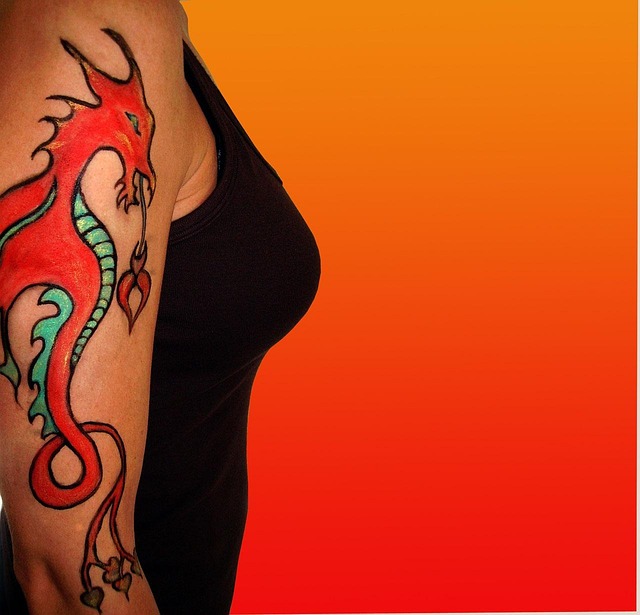
Tattoo Placement as a Visual Language
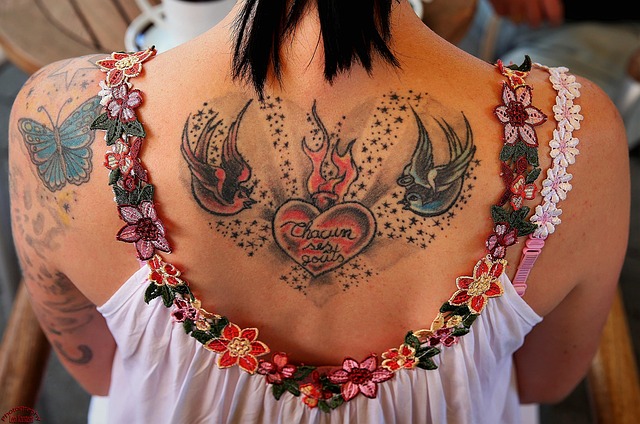
Tattoo placement functions as a visual narrative that communicates personal values and social belonging. Strategic positioning—such as forearm tattoos visible in selfies or rib designs revealed in lifestyle shoots—translates private meaning into public performance. In influencer culture, visibility heightens semiotic power: the same tattoo can signal intimacy or defiance depending on its framing within content feeds. The body thus becomes a living interface where self-expression meets algorithmic visibility.
Gendered Dimensions of Tattoo Visibility
Female tattoo placement often reflects negotiation between empowerment and societal expectation. Placements like collarbones or thighs carry cultural weight tied to femininity and exposure norms. Influencers frequently balance authenticity with aesthetic control—revealing just enough to maintain relatability while preserving brand coherence. This tension mirrors broader gender politics around bodily autonomy and spectatorship in online spaces.
The Role of Embarrassment and Vulnerability in Influencer Narratives
Embarrassment once implied loss of control; now it’s a tool for digital intimacy. Influencers share imperfect stories not to confess but to connect.
Storytelling Through Imperfection
When influencers recount “embarrassing” tattoo moments—a misspelled quote or impulsive design—they reframe error as character development. These narratives humanize them, reinforcing parasocial bonds with audiences who value honesty over perfection. Vulnerable disclosures transform potential regret into symbolic resilience, turning flaws into relatable branding assets.
The Cultural Value of Oversharing in Online Spaces
Social platforms reward openness through engagement metrics like likes and comments. Oversharing becomes performative currency that blurs boundaries between private experience and public persona. Female influencers face distinct scrutiny: while emotional transparency earns empathy, it can also invite moral policing when linked to body modification or sexuality. Yet this risk often strengthens their perceived authenticity among loyal followers.
Symbolism and Spatial Politics of Female Tattoo Placement
The location of a tattoo is rarely accidental—it encodes agency within social hierarchies of visibility.
Tattoos as Markers of Agency and Control
Visible tattoos on hands or necks challenge traditional norms around professionalism and femininity. They assert ownership over one’s image in spaces historically shaped by patriarchal expectations. Conversely, hidden tattoos—beneath clothing or along intimate zones—serve as private affirmations known only to select audiences, expressing autonomy through concealment rather than display.
The Influence of Platform Aesthetics on Placement Choices
Platform design subtly dictates which parts of the body gain symbolic prominence. Instagram’s square framing favors upper-body placements like shoulders or arms that align with selfie conventions. TikTok’s vertical format shifts focus downward toward mid-body regions such as ribs or hips, influencing where tattoos appear for optimal visibility during movement-based content. Influencers adapt accordingly, aligning body art with algorithmic aesthetics that shape audience gaze patterns.
The Evolution of Personal Branding Through Tattoo Narratives
As influencer economies mature, tattoos have become integral to long-term brand identity rather than fleeting style choices.
Tattoos as Extensions of Digital Selfhood
Body art operates as a permanent anchor within the fluid world of online reinvention. Influencers integrate tattoos into their storytelling—matching motifs across merchandise lines or using inked symbols as visual signatures across platforms. This permanence contrasts sharply with the ephemeral nature of trends, creating productive tension between stability and adaptability in digital selfhood.
Audience Interpretation and Symbolic Labor
Followers engage in interpretive labor when decoding female tattoo placement—assigning meaning based on perceived authenticity or rebellion. Comments sections become communal spaces where identity is negotiated collectively through shared readings of body art. This dynamic reinforces community-building rooted not just in admiration but symbolic consumption: fans participate by interpreting rather than simply observing.
Ethical Considerations in the Display of Female Bodies Online
Visibility remains both opportunity and risk for female creators whose bodies double as artistic canvas and commercial medium.
Navigating Objectification and Empowerment Discourses
Female influencers must constantly recalibrate how they present their tattoos to avoid objectification while asserting agency over representation. Each image becomes an ethical negotiation between empowerment narratives and external judgment under the digital gaze. Conscious framing—through lighting, captions, or context—helps resist reductive interpretations tied to gender norms without sacrificing creative freedom.
The Future Trajectories of Tattoo Culture in Digital Spaces
Tattoo culture will continue evolving alongside platform design shifts and audience sensibilities. As augmented reality filters emerge, virtual overlays may alter how tattoos are perceived or even simulated online, blending physical ink with digital enhancement. Continued academic inquiry will be essential for tracing how embodied aesthetics influence digital subjectivity among female creators navigating increasingly hybrid identities.
FAQ
Q1: Why is female tattoo placement significant in influencer branding?
A: It shapes how audiences perceive authenticity, confidence, and individuality while balancing societal expectations around femininity.
Q2: How do social media algorithms affect tattoo visibility?
A: Platform formats influence which body areas appear most frequently; for example, Instagram favors upper-body visibility while TikTok highlights mid-body regions.
Q3: What role does vulnerability play in influencer storytelling about tattoos?
A: Sharing embarrassing or imperfect experiences fosters emotional connection with followers and enhances perceived authenticity.
Q4: Are hidden tattoos less meaningful than visible ones?
A: Not necessarily; hidden placements often carry deeper personal symbolism tied to privacy or selective disclosure rather than public display.
Q5: How might technology change future tattoo representation online?
A: Innovations like AR filters could merge physical tattoos with virtual effects, reshaping how body art is displayed and interpreted across platforms.