What Makes Butterfly Tattoo Ideas a Timeless Choice for Modern Ink
Tattoo Ideas To Inspire Your Next Ink
Butterfly tattoos continue to captivate both artists and collectors for their deep symbolism and visual elegance. Among all butterfly tattoo ideas, these designs stand out for blending technical artistry with emotional storytelling. They represent metamorphosis, resilience, and freedom—concepts that resonate across cultures and time. Today’s tattoo professionals reinterpret this timeless motif through minimalist, realistic, or abstract styles that align with modern aesthetics while preserving symbolic depth. For seasoned tattoo experts, the butterfly remains not just a decorative choice but a profound statement of identity and transformation within body art.
The Enduring Appeal of Butterfly Tattoo Designs
Butterfly tattoos have maintained cultural relevance due to their versatility in meaning and form. Their enduring popularity lies in how they merge personal symbolism with artistic innovation.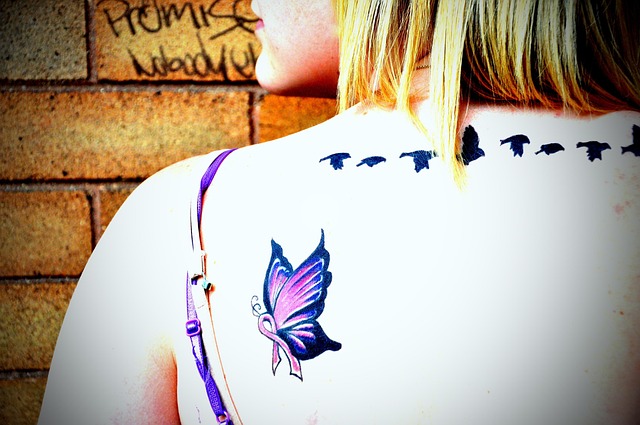
Symbolism Behind Butterfly Tattoos
The butterfly has long symbolized transformation, freedom, and renewal. In various cultures, it represents the soul’s journey or spiritual awakening. In Japanese tradition, butterflies are seen as symbols of femininity and grace, while in Greek mythology they embody the psyche—the human soul itself. These interpretations align seamlessly with tattoo culture’s focus on personal growth and emotional evolution. For many clients, a butterfly tattoo marks recovery from hardship or celebrates a new chapter in life, making it an emblem of resilience rendered in ink.
Historical Context of Butterfly Imagery in Body Art
From ancient civilizations to contemporary studios, butterfly imagery has evolved alongside artistic values. Early societies used butterfly motifs in ritualistic art to signify rebirth or seasonal cycles. As tattooing transitioned from tribal expression to modern artistry, these motifs adapted to reflect changing aesthetics. Contemporary artists often reinterpret historical meanings through refined techniques such as fine linework or watercolor shading, bridging ancient symbolism with modern sensibilities.
Design Variations and Artistic Interpretations
Modern tattooing offers endless possibilities for reimagining butterfly designs. Artists experiment across styles—from subtle outlines to vivid realism—each approach revealing different aspects of the motif’s character.
Minimalist and Fine Line Butterfly Tattoos
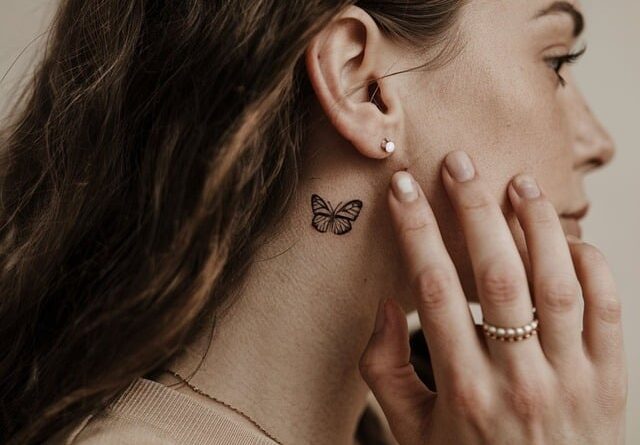
Minimalist butterfly tattoos emphasize clarity over complexity. Clean lines highlight elegance and restraint, often placed on delicate areas like wrists or collarbones where subtlety enhances visual harmony. These designs suit clients seeking understated yet meaningful expressions of transformation without overwhelming detail. Fine-line execution demands precision; even a single misplaced stroke can alter the intended balance.
Realistic and Hyper-Detailed Butterfly Tattoos
Realism pushes technical craftsmanship to its limits. Through advanced shading techniques and color gradients that mimic natural wing patterns, artists achieve lifelike depth and vibrancy. This approach appeals to collectors who value anatomical accuracy and texture fidelity. When executed properly, realistic butterfly tattoos appear almost photographic—each vein and pigment transition meticulously rendered to capture nature’s precision.
Abstract and Geometric Butterfly Concepts
Abstract interpretations allow creative freedom beyond literal representation. Geometric symmetry introduces structure into organic forms, highlighting balance within chaos—a concept often associated with personal transformation itself. Artists may incorporate fragmented shapes or negative space to suggest metamorphosis in progress rather than completion. Such designs blend modern aesthetics with symbolic undertones that resonate deeply among conceptual art enthusiasts.
Placement Strategies for Aesthetic Impact
Placement plays a decisive role in how butterfly tattoos interact with body movement and form. Strategic positioning amplifies both aesthetic flow and symbolic energy.
Strategic Placement Based on Body Flow
Professional artists often select placements that complement natural body motion—shoulder blades evoke flight; forearms emphasize visibility; ankles suggest lightness in motion. The curvature of muscles influences how wings align during movement, creating dynamic interplay between anatomy and design cohesion across viewing angles.
Integrating Butterflies into Larger Tattoo Compositions
Butterflies function effectively as focal points or supporting motifs within larger compositions such as sleeves or back pieces. When integrated with floral elements or celestial imagery like moons or constellations, they add narrative depth that reflects interconnected themes of nature and transformation. Layering techniques help achieve seamless transitions between existing inkwork and new additions without disrupting visual flow.
Technical Considerations in Executing Butterfly Tattoos
Technical mastery determines whether a butterfly tattoo endures both visually and structurally over time.
Color Theory and Pigment Selection
Color selection defines emotional tone: warm hues convey vitality; cool tones evoke serenity or introspection. Skilled artists layer pigments to enhance luminosity without oversaturation—a delicate balance crucial for long-term vibrancy. Longevity also depends on high-quality ink composition combined with disciplined aftercare practices that prevent premature fading under UV exposure.
Line Work, Shading, and Texture Techniques
Precision line work anchors structural integrity by defining wing outlines and inner segmentation patterns. Gradient shading adds dimension while maintaining subtlety so fine details remain legible even at small scales. Techniques like stippling or micro-shading simulate texture under close inspection, giving wings tactile realism rarely achieved through flat color fills alone.
Contemporary Trends Influencing Butterfly Tattoo Ideas
Tattoo artistry evolves continuously as technology advances and stylistic boundaries blur across genres.
Fusion of Styles in Modern Tattoo Artistry
Neo-traditional approaches combine bold outlines with soft gradients for dynamic contrast that honors classic roots yet feels contemporary. Watercolor methods introduce fluid transitions reminiscent of actual wing translucence—an effect particularly suited for depicting ephemeral beauty associated with butterflies. Cross-style experimentation encourages innovation among professional circles seeking fresh visual languages within established forms.
Digital Design Tools and Customization Advances
Digital tools have transformed workflow efficiency from concept to execution. 3D modeling software allows precise visualization before needle meets skin; digital stenciling ensures proportional accuracy across curved surfaces like shoulders or hips. Collaborative platforms now enable real-time adjustments between artist and client during design refinement sessions—enhancing personalization without compromising technical feasibility.
Psychological Resonance of Butterfly Tattoos in Modern Culture
Beyond aesthetics lies profound psychological significance connecting wearer identity with symbolic metamorphosis.
Emotional Connection Between Transformation and Identity Expression
Clients often choose butterfly tattoos to commemorate pivotal life changes—recovery from illness, personal reinvention, or emotional liberation. This act parallels the creature’s metamorphosis from caterpillar to butterfly: an external manifestation of inner renewal. Within today’s body art culture, such tattoos serve not merely as decoration but as tangible affirmations of self-discovery embedded permanently into skin narratives.
Social Media Influence on Tattoo Symbolism Evolution
Digital visibility accelerates stylistic innovation worldwide as artists share unique interpretations online daily. Platforms amplify exposure for emerging trends where classical motifs meet avant-garde reinterpretations tailored for digital audiences hungry for originality. This global exchange fosters diversity while preserving core symbolism rooted in timeless themes of change, beauty, and endurance—a fitting metaphor for the ever-evolving art form itself.
FAQ
Q1: Why are butterfly tattoos considered timeless?
A: Their universal symbolism of transformation ensures relevance across generations while allowing infinite stylistic reinvention through evolving artistic techniques.
Q2: What is the most popular placement for small butterfly tattoos?
A: Wrists, collarbones, and ankles remain top choices due to their visibility and alignment with delicate design proportions suited for minimal detail work.
Q3: How do artists maintain color longevity in vibrant butterfly tattoos?
A: They use high-grade pigments layered carefully under controlled saturation levels combined with proper aftercare emphasizing sun protection.
Q4: Are geometric butterfly designs purely decorative?
A: No; they often symbolize structured growth within chaos—a philosophical reflection mirrored through precise symmetry balanced against organic curves.
Q5: How has technology changed custom butterfly tattoo creation?
A: Digital sketching tools allow accurate previews before application while enabling collaborative modifications that refine proportion accuracy on complex body contours.