Mexican art tattoo guide to symbols, styles, and respectful design choices
What a Mexican art tattoo represents
A Mexican art tattoo is not a single fixed style. It is a broad term for tattoo work inspired by Mexican visual culture, including Día de Muertos imagery, calaveras, La Virgen de Guadalupe, alebrijes, folk patterns, mural-style compositions, and Chicano art traditions. Strong designs do more than borrow bright colors or skull shapes. They connect a symbol to memory, faith, family, identity, place, or artistic influence. For readers exploring wider tattoo culture, Mexican-inspired work shows how body art can carry both personal meaning and public cultural history.
Because the term covers religious, Indigenous, popular, and Mexican American influences, a thoughtful design starts with context. A sugar skull, a Guadalupe portrait, and an Aztec-inspired serpent do not mean the same thing. They also come from different time periods, regions, and communities. Good planning helps the tattoo read better on skin and avoids reducing complex traditions to decoration.
Common symbols and where their meaning comes from
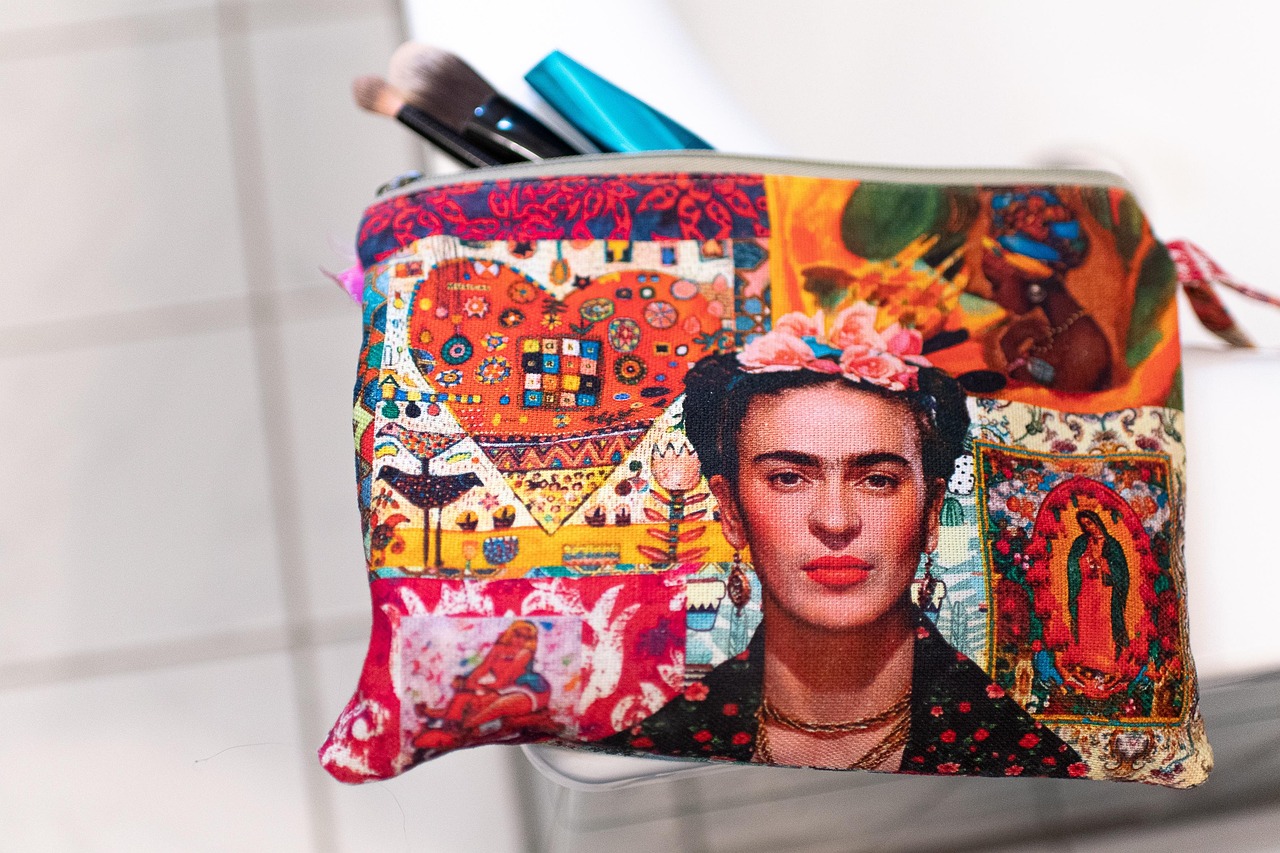
Public cultural sources, including UNESCO, Mexico’s National Institute of Anthropology and History, the Smithsonian, MoMA, and folk art museums, describe Mexican visual culture as layered and regional rather than simple or uniform. That matters in tattoo design. The motifs below are common in tattoo references, but each one works best when the wearer understands what it may suggest and what requires care.
| Motif | Cultural background | Common tattoo meaning | Design caution |
|---|---|---|---|
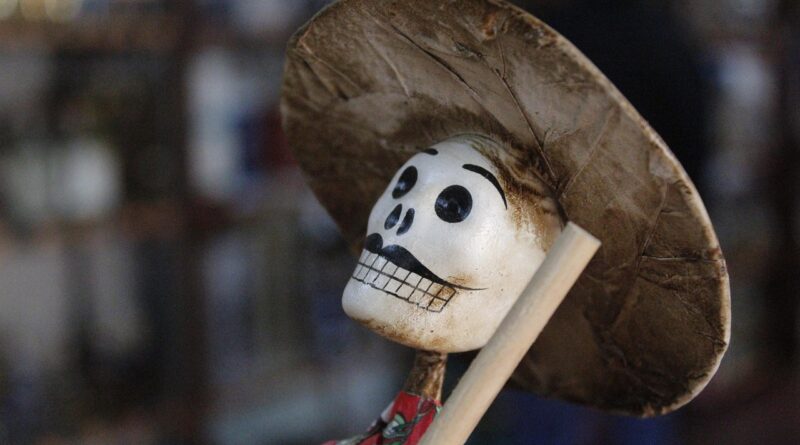
| Calavera or sugar skull | Associated with Día de Muertos, printed skull imagery, sugar skulls, and festive remembrance | Memory, mortality, celebration of life, honoring loved ones | Avoid treating it as only a Halloween skull; add personal context if it memorializes someone |
| La Catrina | Linked to José Guadalupe Posada’s satirical calavera imagery and later Day of the Dead iconography | Elegance, mortality, social satire, Mexican identity | Keep the expression and dress intentional; it is more than a glamorous skeleton face |
| La Virgen de Guadalupe | A major religious and national symbol in Mexican and Mexican American communities | Faith, protection, motherhood, identity, devotion | Discuss placement and treatment carefully because it is sacred imagery for many people |
| Alebrije | Brightly colored fantastical creatures associated with Mexican cartonería and folk art | Imagination, transformation, spirit, protection, personal mythology | Choose a creature and color system that will remain clear on skin over time |
| Mexica or Mesoamerican-inspired imagery | Often based on pre-Hispanic architecture, codex-style art, deities, animals, or calendar forms | Ancestry, strength, cosmology, warrior identity, connection to land | Do not mix unrelated sacred signs or label all Indigenous imagery as Aztec |
| Chicano lettering and black-and-gray portraits | Connected to Mexican American visual culture, paño art, murals, lowrider aesthetics, and barrio storytelling | Family, loyalty, memory, neighborhood, cultural pride | Lettering must be custom and legible; avoid copying gang-associated marks without context |
Día de Muertos designs need more than a skull
Día de Muertos, often translated as Day of the Dead, is recognized by UNESCO as an Indigenous festivity dedicated to the dead and was inscribed on its Representative List of the Intangible Cultural Heritage of Humanity in 2008 after earlier recognition in 2003. The celebration centers on remembrance and the temporary return of deceased loved ones, with offerings, flowers, candles, food, and family rituals playing important roles in many communities.
For tattoo design, the skull is only one part of a wider symbolic system. Marigolds can suggest a path of welcome. Candles can represent guidance or vigil. Papel picado can add movement and air. Pan de muerto, fruit, water, salt, and favorite foods on an ofrenda speak to hospitality and remembrance. A tattoo that combines these elements with a name, date, portrait, or meaningful object will usually feel more grounded than a generic skull copied from flash art.
INAH has also emphasized that modern Día de Muertos imagery is not a pure survival of one ancient ritual. It developed through Indigenous practices, Catholic observances, regional customs, print culture, and national identity building. That complexity is useful for tattoo clients: instead of claiming one universal meaning, a design can honor a personal story while respecting the diversity of the wider tradition.
Style choices that work well on skin
Mexican art tattoo designs can be colorful, black and gray, illustrative, realistic, graphic, or ornamental. The right style depends on the symbol, body placement, skin tone, and level of detail. A design that looks powerful on paper may need simplification to age well as a tattoo.
- Black-and-gray realism: A strong choice for portraits, Guadalupe imagery, roses, praying hands, lowrider-inspired scenes, and memorial pieces. It relies on smooth shading, contrast, and negative space.
- Color folk art: Useful for alebrijes, flowers, papel picado, Talavera-inspired borders, and festive calaveras. The palette should be planned, not made bright in every area.
- Fine-line illustration: Works for smaller symbolic pieces, but it needs restraint. Thin details in faces, lettering, and patterned borders can blur over years.
- Bold neo-traditional: Good for flowers, animals, sacred hearts, daggers, and framed icons because it gives color and symbolism clear outlines.
- Mural-inspired composition: Better for larger areas such as the back, chest, thigh, or sleeve. This approach can combine people, architecture, banners, plants, and symbolic objects into one story.
- Chicano script: Best when drawn for the individual rather than copied from a font. Names, dates, and short phrases should remain readable at normal viewing distance.
Scale is one of the biggest design decisions. A La Catrina face with flowers, lace, jewelry, and background architecture may need a forearm, calf, thigh, or upper arm to breathe. A small wrist design should use fewer details, such as one marigold, a simplified calavera, or a clean sacred heart.
How to choose a respectful Mexican-inspired design
Respectful design does not mean that only one group can appreciate Mexican art. It means the tattoo should be informed, specific, and honest about why the wearer chose it. Mexican visual culture has changed through craft, print, migration, religion, politics, music, and street art. Still, some images carry sacred or community-specific meaning, and not every symbol is a neutral ornament.
- Start with your reason. Are you honoring family, faith, a loved one, Mexican heritage, an artist, a place, or an aesthetic influence? The answer should shape the design.
- Name the reference correctly. A calavera, Catrina, alebrije, Guadalupe, Mexica eagle, Maya glyph, and Chicano script are not interchangeable labels.
- Avoid sacred mashups. Combining deities, saints, skulls, gang-style lettering, and random calendar stones can create confusion or offense if the elements do not belong together.
- Research living traditions. Indigenous-inspired patterns, ceremonial symbols, and sacred figures deserve extra care. If you are unsure, simplify the idea or choose a more personal symbol.
- Work with an artist who understands the style. A technically skilled tattooer still needs visual literacy. Ask whether they have experience with portrait shading, folk color, script, or cultural iconography.
- Do not copy a living artist’s work. Bring references for direction, but ask for a custom composition. This protects the tattooer, the original artist, and your final design.
A respectful Mexican art tattoo often becomes more original, not less. When the design is tied to a real story, the artist can make choices that feel personal instead of relying on stereotypes.
Placement, readability, and aging
Placement affects both meaning and durability. Sacred images such as La Virgen de Guadalupe are often placed on the upper arm, chest, back, or forearm, where the composition can be treated with visual respect and enough space. Memorial calaveras and portraits often work well on the upper arm, shoulder, calf, or thigh. Alebrijes can suit curved areas because horns, wings, tails, and patterned limbs can move with the body.
Readability should guide every decision. A tattoo changes as skin changes, lines spread slightly, and pigment settles. Dense lace, tiny teeth, small script, miniature flowers, and packed background patterns may look impressive in a fresh photo but become harder to read later. Strong silhouettes, planned negative space, and clear contrast help keep the design recognizable. See also: tattoo care.
Color also needs planning. Red, orange, turquoise, purple, green, and gold can echo folk art and Día de Muertos palettes, but too many saturated colors in a small area can compete. A controlled palette, such as orange marigolds with black-and-gray portrait work, can feel more refined than using every color at once.
A planning checklist before your appointment
Before booking a session, prepare references and questions that help the artist address both design and cultural context. The goal is not to over-control the tattoo, but to give the artist enough information to create something accurate and wearable.
- Choose one main symbol and one supporting idea instead of combining every Mexican reference you like.
- Write a short meaning statement in plain language, such as honoring my grandmother, celebrating my Mexican American identity, or remembering a trip through Oaxaca.
- Collect references from museums, murals, folk art, family objects, and historical images, not only from other tattoos.
- Ask what size is needed for faces, lettering, flowers, and ornamental borders to age well.
- Confirm whether the design will be custom drawn and not copied from another tattoo or artist’s print.
- Discuss whether black and gray, limited color, or full color best supports the idea.
- Follow the studio’s preparation and aftercare instructions, and choose a licensed professional working with sterile equipment.
If you are unsure about a symbol, ask the artist to help you simplify it. A single marigold with a family date can be more meaningful than an overfilled design that mixes unrelated traditions.
Frequently asked questions
Is a Mexican art tattoo the same as a sugar skull tattoo?
No. A sugar skull or calavera can be one type of Mexican-inspired tattoo, especially in Día de Muertos designs, but Mexican art tattoo work also includes folk animals, sacred imagery, Chicano lettering, mural-inspired scenes, floral patterns, and pre-Hispanic references.
Can I get a Día de Muertos tattoo if I am not Mexican?
Many people admire Día de Muertos art, but the design should be chosen with care. Avoid using the imagery as a costume or generic spooky decoration. If the tattoo honors memory, mortality, or someone important to you, explain that meaning to the artist and choose symbols that support it respectfully.
What is the difference between La Catrina and a regular skull?
La Catrina is a specific calavera figure associated with Mexican print culture and Day of the Dead imagery. She usually appears as an elegant skeletal woman, often with a hat, flowers, or refined dress. A regular skull may symbolize mortality more generally, while La Catrina carries stronger cultural and historical associations.
Are alebrije tattoos a good choice for color work?
Yes, alebrijes are often excellent for color tattoos because they are associated with fantastical forms and vivid folk art palettes. The design still needs structure. Clear outlines, repeated patterns, and a controlled color plan help the creature remain readable as the tattoo ages.
How do I avoid a design that feels generic?
Limit the design to a focused story. Use one main motif, add a personal detail, and choose a style that fits the meaning. A custom Mexican art tattoo should look like a considered composition, not a collage of popular symbols pulled from search results.