
The meaning of a Medusa tattoo in myth, protection, and power
What does a Medusa tattoo mean?
The meaning of a Medusa tattoo is usually tied to protection, survival, reclaimed power, transformation, and boundaries. In ancient art, Medusa’s head was used as a protective image meant to repel harm. In modern tattoo culture, many people also read Medusa as a survivor symbol, especially through versions of the myth in which she is harmed, punished, and later reimagined as powerful.
That does not mean every Medusa tattoo is a public statement about trauma. Some wearers choose her for mythology, dark feminine energy, beauty mixed with danger, or the visual drama of snakes, stone, and an unflinching gaze. You can also explore more in tattoo meanings.
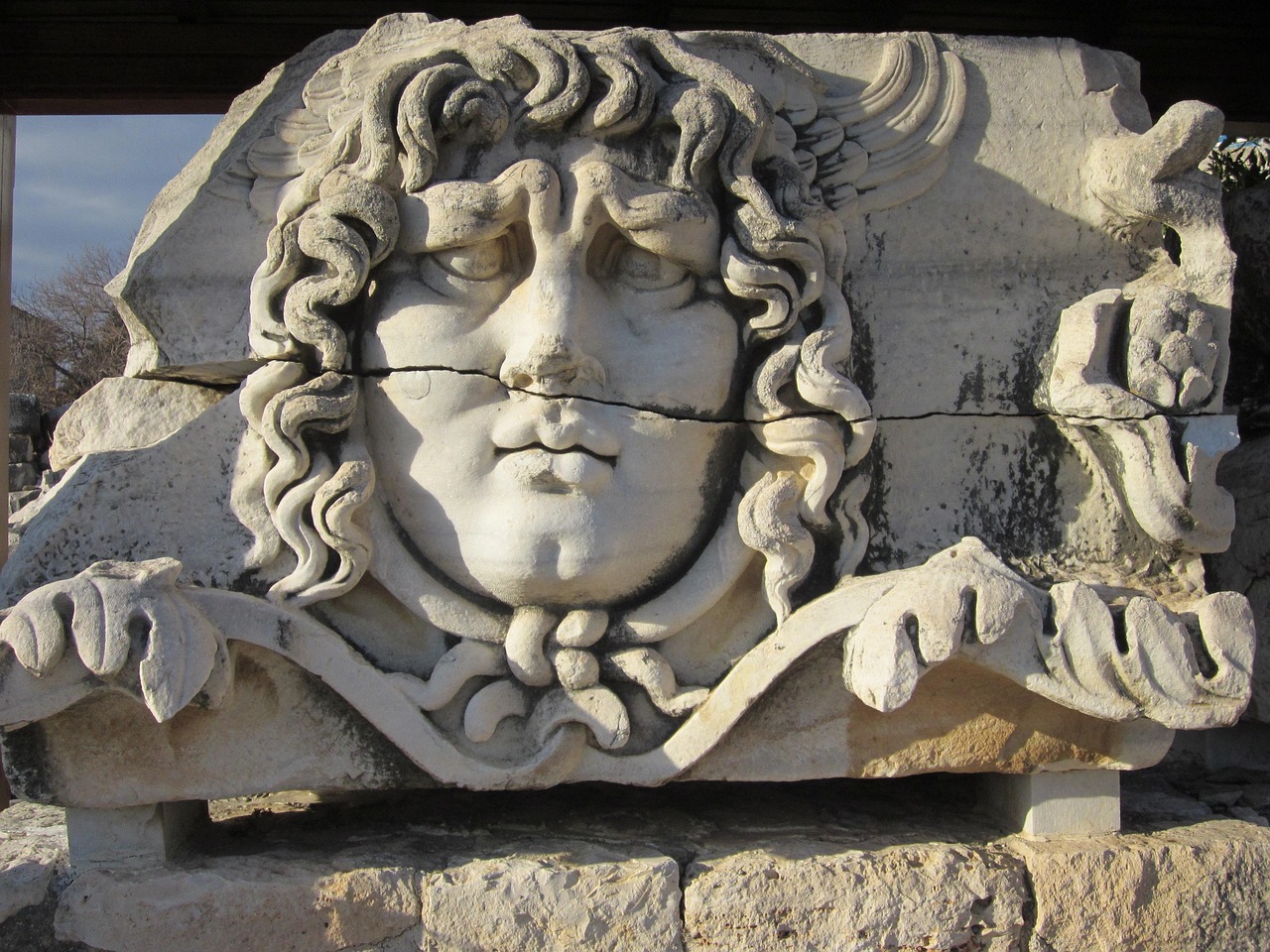
Because Medusa carries several meanings at once, design style matters. A classical Gorgon face, a soft statue portrait, a severed head, a crying Medusa, or a warrior-like figure can all move the tattoo in a different emotional direction. For readers comparing symbols, our tattoo meanings section is a useful place to explore related ideas.
The main meanings behind a Medusa tattoo
Medusa tattoos are popular because the image can be beautiful, frightening, protective, and deeply personal at the same time. The same piece can read as a warning to outsiders and a reminder of strength to the wearer. These are the most common meaning layers.
| Meaning | What it can express | Common design cues |
|---|---|---|
| Protection | A visual shield against danger, negativity, or unwanted attention | Direct stare, Gorgon head, shield, armor, dark shading |
| Survival | Living through harm and reclaiming the body or story | Tears, broken stone, soft but intense face, floral contrast |
| Power | Refusing to be controlled, minimized, or silenced | Strong gaze, snakes in motion, crown, dagger, bold scale |
| Transformation | Becoming different after pain, betrayal, or major life change | Half-statue face, cracked marble, shedding snakes, moon imagery |
| Boundary setting | A reminder that access must be earned and harm has consequences | Forward-facing eyes, hand gestures, closed composition, sharp linework |
The strongest Medusa tattoos usually do not try to explain every meaning at once. They choose a primary emotional direction and let the details support it.
The mythological roots of Medusa
Medusa is not a single, simple character. Her meaning changes depending on the ancient source, artwork, or later retelling being referenced. That is why two people can both have Medusa tattoos and mean very different things by them.
The Gorgon as a protective image
In Greek mythology, Medusa is one of the Gorgons. Earlier traditions present her as a terrifying being whose gaze could turn people to stone. The hero Perseus kills her and uses her head as a weapon before it becomes associated with Athena’s shield or armor in many retellings.
Ancient visual culture adds an important layer to tattoo meaning. Museums and classical art scholarship often describe the Gorgon face, or Gorgoneion, as apotropaic, meaning it was used to ward off evil or danger. In practical terms, Medusa’s frightening face was not only a monster image; it also functioned as a protective sign. This is one reason a Medusa tattoo can mean defense rather than destruction.
The later story of Medusa as wronged and transformed
A different layer comes from the Roman poet Ovid’s Metamorphoses. In that version, Medusa was once beautiful, Neptune violated her in Minerva’s temple, and Minerva transformed her hair into snakes. Modern readers often connect this version with victim-blaming, punishment after harm, and the transformation of vulnerability into power.
Precision matters here. Not all ancient accounts describe Medusa this way. The survivor meaning that many modern tattoo wearers recognize draws especially from Ovid’s version and from contemporary interpretation. That does not make the meaning invalid, but it does mean the tattoo is not based on one universal ancient story. Its modern force comes from the conversation between myth, art, trauma language, and personal ownership.
Why Medusa became a modern survivor symbol
In recent tattoo culture, Medusa is often chosen by people who identify with surviving sexual assault, abuse, coercion, or deep violation. The symbol resonates because she represents a figure who is harmed, judged, feared, and then given a power that makes others look away. For some wearers, the tattoo says: what happened did not erase me, and my body belongs to me.
This interpretation is powerful, but it should be handled with care. A Medusa tattoo should not invite strangers to demand someone’s story. It also should not be treated as proof that the wearer has experienced a specific trauma. Some people choose Medusa because they are survivors; others choose her for protection, mythology, art, anger, style, or personal transformation. The respectful approach is to let the wearer define the symbol.
Medusa also appeals because she reverses the gaze. In much of myth and art, women are watched, judged, or possessed. Medusa looks back. In tattoo form, that stare can become a boundary: the wearer is not an object, not an easy target, and not required to soften their power for other people’s comfort.
How design choices change the meaning
Medusa is visually flexible, so small design decisions can change the emotional message of the tattoo. Before choosing a reference, it helps to decide whether the piece should feel protective, grieving, elegant, furious, sacred, or confrontational.
Snakes
Snakes are the most recognizable part of a Medusa tattoo. They can symbolize danger, wisdom, rebirth, instinct, and alertness. Snakes with open mouths can make the tattoo feel aggressive and defensive. Softer snakes woven into flowing hair can suggest transformation and controlled power.
The gaze
A forward-facing Medusa creates the strongest protective effect because the viewer meets her eyes directly. A downward gaze can feel sorrowful or reflective. Closed eyes often soften the design and may point toward healing rather than confrontation. If the meaning is boundary-setting, the eyes are one of the most important details to discuss with the artist.
Stone and statue effects
Marble, cracked stone, or statue-inspired shading connects Medusa to classical sculpture and to the idea of being frozen, judged, or emotionally hardened. Cracks in the face can add a transformation meaning: the wearer is not broken, but changed. See also: tattoo care.
Flowers, daggers, moons, and mirrors
Flowers can soften the image and emphasize growth after pain. Daggers add warning, anger, or self-defense. Moon imagery can make the tattoo feel more mystical and feminine. Mirrors refer to Perseus using reflection to approach Medusa and can suggest self-recognition, truth, or the danger of looking directly at what others fear.
Severed head or full figure
A severed Medusa head leans into the ancient Gorgoneion and the myth of Perseus. It can feel protective, tragic, or confrontational. A full-body Medusa gives her more agency and can shift the focus from defeat to presence. A portrait-only design often works best when the wearer wants emotional complexity rather than a literal myth scene.
Placement and visibility considerations
Placement affects both how the tattoo looks and how often the meaning may be questioned. Because Medusa is widely recognized and emotionally loaded, visibility should be part of the decision rather than an afterthought.
- Forearm: Highly visible and direct. Good for a protective or confrontational Medusa, but likely to invite questions.
- Upper arm or shoulder: Flexible and easy to cover. Works well for portrait designs and medium-scale snakes.
- Back: Strong for large, detailed pieces. The placement can feel like protection watching behind the wearer.
- Thigh: Offers space for detail while staying more private. Often chosen for ornate, feminine, or statue-style designs.
- Chest or sternum: Emotionally intense and symbolic. This placement can feel protective of the heart or body, but it is also a bold commitment.
- Hand or neck: Very public and difficult to hide. These placements should be considered carefully, especially for first tattoos or professional settings.
A Medusa tattoo with fine-line snakes, small facial details, or marble texture usually needs enough space to age clearly. Very tiny Medusa designs can lose expression over time if the snakes, eyes, and shadows are compressed too tightly.
How to choose a Medusa tattoo respectfully
The best Medusa tattoo starts with intention. If the meaning is survival, the design should feel empowering to the wearer rather than built for shock value. If the meaning is mythology, it helps to understand that Greek and Roman versions differ. If the meaning is protection, the composition should emphasize the gaze, shield-like framing, or the Gorgon head rather than only beauty.
Bring your tattoo artist more than one visual reference, and include meaning notes as well. For example, say whether you want Medusa to look angry, calm, wounded, divine, monstrous, or untouchable. Those words will guide choices such as eye direction, snake movement, mouth shape, contrast, and surrounding symbols.
It is also worth deciding how readable you want the tattoo to be to others. A direct Medusa portrait may immediately signal strength or survivor symbolism. A more abstract design, such as snakes with a partial stone face, may keep the meaning more private. Neither approach is better; the right choice depends on how much of the story you want visible.
Finally, avoid assuming Medusa must be either beautiful or monstrous. Much of her power comes from being both. A thoughtful design can hold contradiction: grief and threat, softness and rage, beauty and warning, vulnerability and refusal.
Frequently asked questions
Is a Medusa tattoo only for survivors?
No. Many people connect Medusa tattoos with survival after sexual assault or abuse, but that is not the only meaning. Medusa can also represent protection, mythology, transformation, feminine power, danger, beauty, rage, or personal boundaries. The wearer’s intention matters most.
Is it disrespectful to get a Medusa tattoo?
A Medusa tattoo is not automatically disrespectful. It becomes more thoughtful when the wearer understands the myth, the survivor association, and the emotional weight of the image. If you are not choosing it for trauma-related reasons, avoid speaking over survivors or claiming that your interpretation is the only correct one.
What do the snakes in a Medusa tattoo mean?
The snakes can represent danger, alertness, rebirth, instinct, and transformation. In a protective design, they act like living warnings. In a healing-focused design, they can suggest that pain has changed into awareness and strength.
Can men get Medusa tattoos?
Yes. Medusa is not limited to one gender. A man may choose Medusa for protection, mythology, respect for feminine power, transformation, or survivor meaning. As with any loaded symbol, intention and respect are more important than gender.
What is the difference between Greek Medusa and the modern tattoo meaning?
Ancient Medusa appears in different forms across myth and art, including the terrifying Gorgon and the protective Gorgon head. The modern tattoo meaning often adds survivor identity, body reclamation, and resistance to victim-blaming, especially through later Ovidian storytelling and contemporary interpretation.