
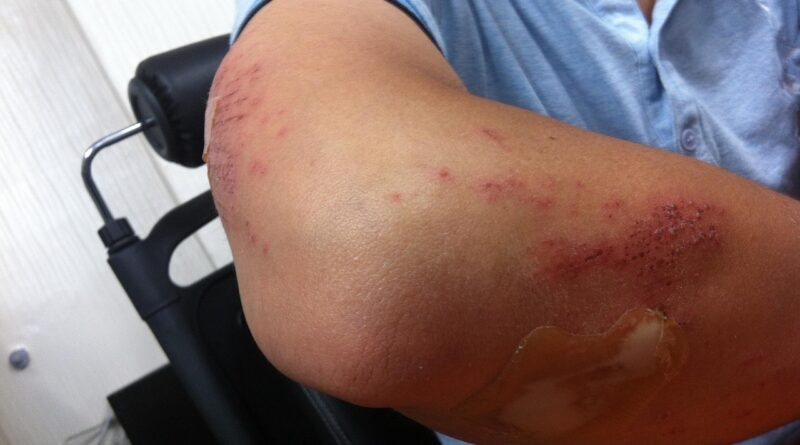
Tattoo wound care for a fresh tattoo and signs of infection
What tattoo wound care means after getting inked
Tattoo wound care begins with a practical point: a fresh tattoo is a controlled skin wound. The needles have opened the outer skin barrier and placed ink below the surface. Until that barrier closes, the goal is to keep the area clean, lightly protected, and as undisturbed as possible.
In daily care, that means washing your hands before touching the tattoo, following the artist’s bandage instructions, cleaning gently with mild soap and clean water, patting the skin dry, and applying only a thin layer of a suitable moisturizer or aftercare product. It also means avoiding soaking, direct sun, friction, scratching, and picking.
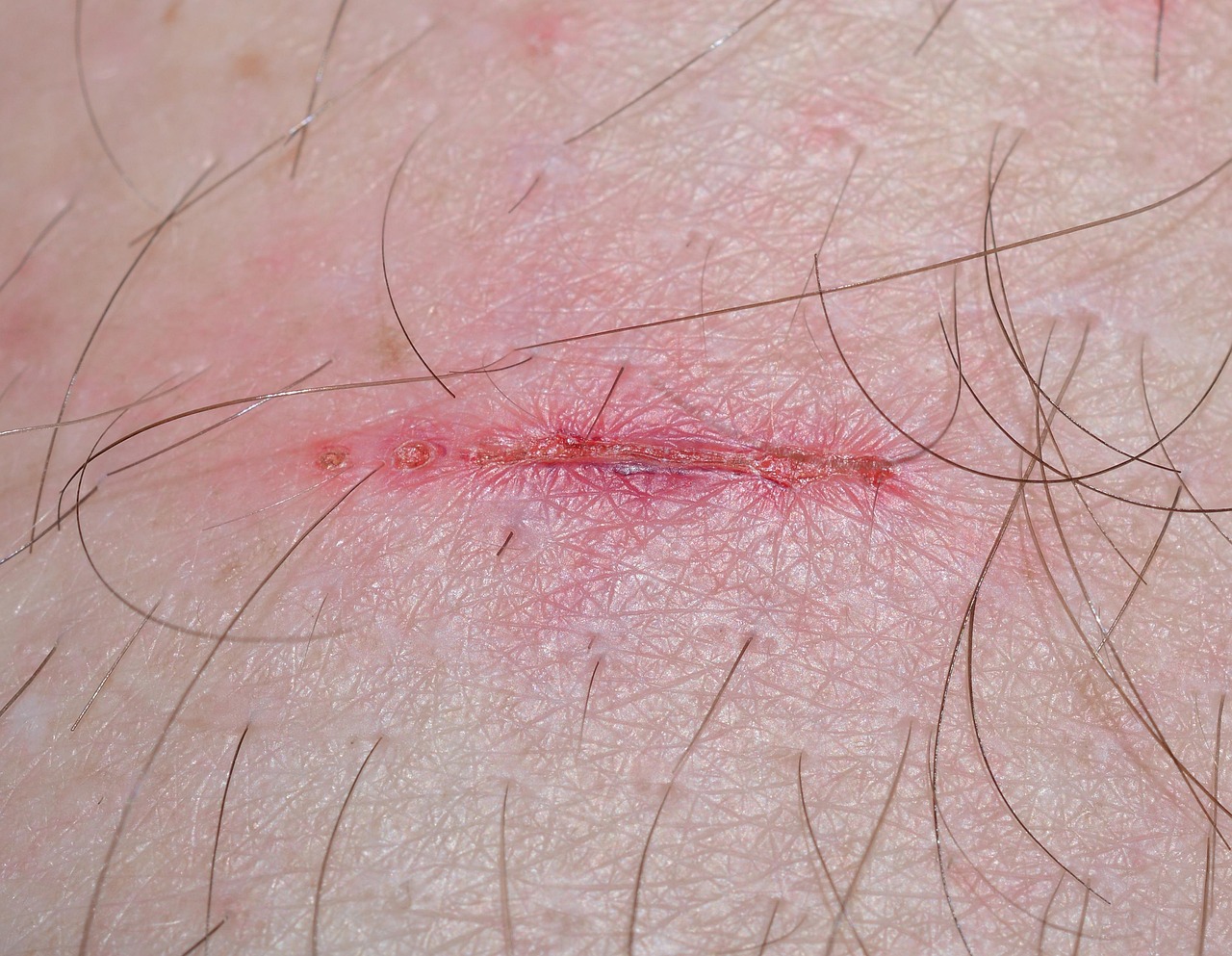
Some tenderness, warmth, mild redness, swelling, clear or pinkish fluid, itching, flaking, and light scabbing can be part of normal healing. Warning signs include redness that spreads or darkens, pain that worsens instead of easing, yellow or green discharge, foul odor, pus, fever, chills, red streaks, or flu-like symptoms. This article is educational and does not replace advice from a licensed health professional.
Why a tattoo should be handled like a wound
A tattoo is made by repeatedly piercing the skin and depositing pigment. That process temporarily weakens the skin’s protective barrier, which is why careful hygiene matters in the first days and weeks. Guidance from organizations such as the U.S. Food and Drug Administration, the Centers for Disease Control and Prevention, Mayo Clinic, the American Academy of Dermatology, and the European Academy of Dermatology and Venereology points to the same core principles: clean hands, gentle washing, limited irritation, and prompt medical attention when infection or allergic reaction is suspected.
There is no single aftercare method that fits every tattoo, skin type, placement, and dressing system. A fine-line wrist tattoo covered with a light wrap may need different handling than a large color piece under an adhesive film. The fundamentals, however, stay the same. The tattoo needs a clean environment, enough moisture to prevent cracking, appropriate protection from contamination, and close observation. Redness, swelling, and weeping should gradually settle rather than intensify.
For a broader routine beyond wound-focused care, see our tattoo aftercare guide.
The first 24 hours
The first day is mainly about protecting the tattoo from contamination and unnecessary disturbance. Your artist may cover the tattoo with plastic wrap, a sterile absorbent dressing, or a second-skin style adhesive film. Do not remove it early unless the artist instructed you to, it leaks heavily, it becomes uncomfortable, or the surrounding skin reacts badly. Dressing instructions vary because products vary, so the advice from the professional who applied the dressing should come first unless a medical concern develops.
Before you touch the bandage or tattoo, wash your hands thoroughly with soap and clean running water. This is not a cosmetic step; it reduces the chance of transferring germs to broken skin. If soap and water are not available, use alcohol-based hand sanitizer and wait until your hands are dry, then wash with soap and water as soon as you can.
When it is time to remove the first covering, do it slowly. If a bandage sticks, do not rip it away. Loosen it in the shower with clean running water, then wash the tattoo gently with mild, fragrance-free soap. Use your fingertips rather than a washcloth, sponge, exfoliating glove, or brush. Rinse thoroughly so no soap film remains. Pat the area dry with a clean paper towel or a freshly washed towel. Do not rub.
After cleaning, apply only a very thin layer of the aftercare product recommended by your artist or a plain, fragrance-free moisturizer suitable for sensitive skin. Too much ointment can trap moisture and debris, while too little can allow cracking. The surface should look lightly conditioned, not greasy or smothered.
A daily care routine until the tattoo settles
Most fresh tattoos need consistent care for about two weeks, although larger work, dense color packing, certain placements, and individual skin differences can extend the timeline. The routine is straightforward, but consistency matters.
- Wash your hands first. Do this every time before touching the tattoo, changing a dressing, or applying moisturizer.
- Clean gently. Wash the tattoo once or twice daily, or as instructed, using clean water and mild soap. Avoid scrubbing and avoid direct high-pressure water.
- Dry carefully. Pat dry with a clean disposable paper towel or clean towel. Letting the tattoo air dry briefly is also reasonable if the environment is clean.
- Moisturize lightly. Use a thin layer of fragrance-free lotion, cream, or artist-recommended aftercare. Reapply when the tattoo feels tight or dry, but do not build up thick layers.
- Wear clean, loose clothing. Fabric should not stick to, rub, or compress the tattoo. Tight waistbands, bra straps, socks, and sleeves can create repeated friction.
- Keep bedding clean. Fresh tattoos can weep in the early days. Clean sheets reduce exposure to sweat, pet hair, dust, and bacteria.
Peeling often starts after several days. This can look alarming, especially on dark or saturated tattoos, but superficial flaking is expected. Let flakes come away naturally. Pulling at them can remove healing skin too early, increase irritation, and potentially affect how evenly the tattoo settles.
What to avoid while the tattoo is healing
Good wound care is not only about what you apply. It is also about what you avoid. Many healing problems are linked to too much moisture, too much friction, too much sun, or too much interference with the skin.
- Avoid swimming and soaking. Stay out of pools, hot tubs, lakes, rivers, baths, and saunas until the tattoo is healed. Showering is different from soaking and is generally part of hygiene.
- Avoid sun exposure. Keep a healing tattoo out of direct sun. Sunscreen is useful after the skin has closed, but it should not be treated as a substitute for covering a fresh wound.
- Do not pick scabs or peel flakes. Let the surface shed naturally.
- Do not scratch. Itching is common, but scratching can break healing skin. Lightly moisturize or gently tap around the area if needed.
- Avoid unnecessary ointments. Antibiotic creams, disinfectants, steroid creams, and medicated products should not be used on a healing tattoo unless a clinician recommends them.
- Avoid heavy sweating and friction when possible. Intense workouts, tight gear, and rough fabrics can irritate the wound during the early healing window.
- Do not let pets lick or sleep on the tattoo. This is a preventable contamination risk.
Petroleum-heavy products deserve caution. Some artists use specific ointments briefly, but thick, occlusive layers can be overused. Dermatology guidance often favors water-based lotions or creams once the tattoo is in the dry, tight, or flaky phase. When in doubt, keep the product simple, fragrance-free, and thinly applied.
Normal healing versus warning signs
A fresh tattoo can look worse before it looks finished. The key question is whether symptoms are moving in the right direction. Normal healing usually trends toward less swelling, less redness, less heat, and less tenderness. A possible problem often trends toward spreading redness, stronger pain, heavier discharge, or symptoms beyond the tattooed skin.
| What you notice | Often normal | Concerning |
|---|---|---|
| Redness | Mild redness close to the tattoo that fades over the next few days | Redness that spreads, darkens, becomes hot, or forms streaks |
| Swelling | Mild swelling in the first hours or days, especially on large tattoos | Swelling that increases, feels tight and painful, or affects movement |
| Fluid | Clear or pinkish weeping mixed with ink in the first days | Yellow, green, thick, foul-smelling discharge or pus |
| Pain | Soreness or tenderness that gradually improves | Pain, throbbing, or burning that worsens instead of easing |
| Surface changes | Flaking, light scabbing, dryness, and itching as skin closes | Open sores, spreading rash, blisters, or bumps that become painful |
| Whole-body symptoms | A brief tired or feverish feeling can happen after large tattoos | Fever, chills, shaking, flu-like symptoms, dizziness, or confusion |
This comparison is not a diagnosis. If the tattoo looks abnormal, symptoms are escalating, or you are unsure, contacting a health professional is safer than waiting for a severe infection to become obvious. See also: tattoo culture.
Infection, allergy, and irritation are not the same
Fresh tattoo problems can look similar at first, which is one reason self-diagnosis is risky. Infection, allergic reaction, adhesive irritation, over-moisturizing, and friction can all cause redness, tenderness, bumps, or weeping. The response should match the cause, so it is important not to assume that every red tattoo is infected or that every itchy rash is harmless.
Possible infection
Infection becomes more likely when redness spreads instead of shrinking, pain increases instead of improving, the tattoo becomes hotter, or discharge turns thick, yellow, green, or foul-smelling. Fever, chills, red streaks, and flu-like symptoms are more urgent warning signs. A tattoo infection may come from contaminated skin, equipment, aftercare handling, or ink, including ink that appeared sealed. Treatment may require prescription medicine, so do not try to manage a suspected infection with random topical products.
Possible allergic reaction
An allergic reaction may appear as an itchy rash, swelling, bumps, scaly patches, blisters, or watery leakage. It may be limited to one color of ink or appear around an aftercare product or adhesive dressing. Red ink is often discussed in dermatology resources as a common allergy trigger, but any pigment or product ingredient can irritate sensitive skin. Severe symptoms such as trouble breathing, widespread hives, dizziness, chest tightness, or intense swelling need immediate medical care.
Irritation from aftercare or dressing
Sometimes the problem is mechanical or product-related rather than infectious. A tight bandage, adhesive film, heavy ointment, fragranced lotion, rough clothing, or repeated sweating can inflame the skin. If the rash appears in the exact shape of a film edge or adhesive border, the dressing may be involved. Change aftercare only according to artist guidance or medical advice, especially if the tattoo is still open or weeping.
When to seek help
Contact a health professional promptly if the tattoo appears infected, healing seems to move backward, or you develop fever, chills, increasing pain, red streaks, pus, or spreading redness. Seek urgent care for severe swelling, symptoms beyond the tattooed area, difficulty breathing, dizziness, confusion, rapid heartbeat, or other systemic symptoms.
You should also notify the tattoo artist when a complication occurs. This is not about blame. It can help identify the ink brand, color, batch or lot number, dressing type, or product used during the appointment. That information may matter if a clinician is trying to distinguish infection from allergy or if more than one client reports a similar issue.
Do not cover up a worsening tattoo with more ointment, makeup, alcohol, peroxide, or disinfectant. Harsh products can delay healing and may make assessment harder. Keep the area clean, avoid picking, and get professional guidance.
Frequently asked questions
How long should I treat a tattoo like a wound?
Treat it like a healing wound until the surface has closed, peeling has settled, and there is no active weeping or open scabbing. For many tattoos this is around two weeks, but large pieces, heavy shading, color packing, and high-friction placements can take longer.
Can I shower with a fresh tattoo?
Yes, showering is usually part of good hygiene. Keep the shower gentle, avoid direct high-pressure spray, use mild soap, rinse well, and pat dry. Do not soak the tattoo in a bath, pool, hot tub, lake, river, or sauna while it is healing.
Should I keep my tattoo covered all the time?
Follow the dressing instructions given for your specific tattoo and bandage. Some adhesive films are designed to stay on longer if they are intact and comfortable. Other wraps are removed sooner. If a dressing leaks, traps fluid, causes a rash, or becomes painful, ask your artist or a clinician what to do next.
What if my tattoo is itchy?
Itching is common as the skin dries, peels, and closes. Do not scratch. Use a thin layer of fragrance-free moisturizer if the tattoo feels dry, wear loose clothing, and keep the area cool. If itching comes with spreading rash, blisters, swelling, or symptoms beyond the tattoo, seek advice.
Is scabbing always bad?
Light scabbing can be normal. Thick, painful, cracking, or wet scabs are more concerning, especially if they appear with spreading redness, heat, discharge, or worsening pain. Never pick scabs, because premature removal can irritate the wound and affect the final appearance.
The practical takeaway
Effective tattoo wound care is not complicated, but it does require restraint. Keep hands clean, wash gently, dry carefully, moisturize lightly, protect the tattoo from soaking and friction, and watch the direction of symptoms. Mild early irritation should gradually calm down. Redness, pain, swelling, discharge, or whole-body symptoms that intensify deserve prompt medical attention. A well-healed tattoo starts with treating the fresh tattoo as healing skin.