Are Aztec Tribal Tattoo Designs a Case of Cultural Appropriation or Appreciation
Are Tribal Tattoos a Form of Cultural Appropriation?
Aztec tribal tattoos have become a visual shorthand for strength, spirituality, and identity. Yet, their popularity raises a difficult question: when does admiration turn into appropriation? The answer lies in intent, context, and respect. Using Aztec symbols without awareness of their sacred meaning can distort centuries of heritage. However, when artists and clients engage with cultural experts and honor the original symbolism, tattooing becomes an act of appreciation rather than exploitation. The distinction is not just ethical—it defines how global art interacts with indigenous legacy.
Understanding the Historical and Cultural Context of Aztec Tribal Tattoos
The story of Aztec tattoo art stretches far beyond aesthetics. It is rooted in ritual practice, social hierarchy, and cosmological belief systems that shaped one of Mesoamerica’s most sophisticated civilizations. To interpret these tattoos today requires attention to their original spiritual framework.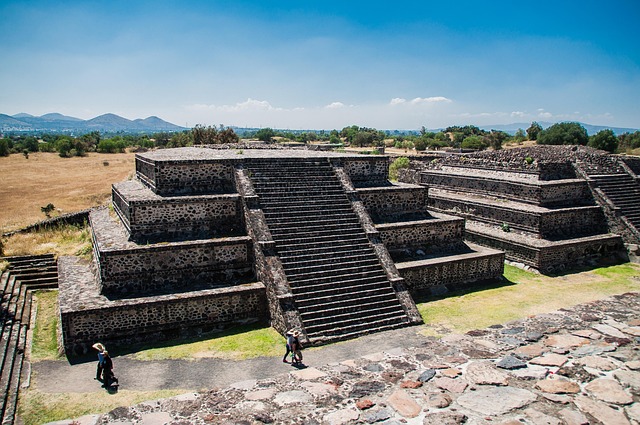
The Symbolic Meaning of Aztec Tattoo Art
In Aztec society, tattooing was inseparable from religion and identity. Each design carried symbolic weight—depictions of gods like Huitzilopochtli or Quetzalcoatl represented divine power or cosmic order. Warriors often bore tattoos that marked their victories or allegiance to specific deities. Geometric motifs mirrored celestial cycles, reinforcing the idea that humans were part of a sacred continuum. These tattoos were less about decoration and more about expressing devotion and belonging within the community.
The Role of Tattooing in Aztec Society
Tattooing among the Aztecs was both ceremonial and hierarchical. Children received their first tattoos during initiation rites, while warriors earned new markings after successful campaigns. Certain designs were reserved for priests or noble classes, reflecting social structure through body art. Tattoos also served as spiritual protection—symbols believed to guard against misfortune or invoke divine favor during warfare or sacrifice. This integration of ritual and identity made tattooing a living extension of Aztec cosmology.
The Modern Revival of Aztec Tribal Tattoo Designs
The resurgence of aztec tribal tattoo motifs in modern studios reflects both fascination with ancient art and the global circulation of indigenous imagery. Artists reinterpret these symbols through contemporary aesthetics while navigating complex cultural ethics.
Reinterpretation Through Contemporary Tattoo Culture
Modern tattoo culture thrives on fusion—ancient motifs reimagined through new techniques like fine-line realism or abstract geometry. Globalization has amplified access to indigenous designs but also blurred boundaries between homage and misuse. When an artist incorporates an Aztec symbol without understanding its sacred role, it risks becoming mere ornamentation detached from meaning. Conversely, collaborations with cultural historians or descendants can transform reinterpretation into respectful preservation.
Popular Motifs and Their Adaptations Today
Sun Stone and Deity Symbols
The Sun Stone remains one of the most recognizable icons in aztec tribal tattoo design. Its circular pattern symbolizes time’s cyclical nature and human connection to cosmic forces. In modern contexts, it is often stylized as a symbol of enlightenment or resilience. Yet detaching this imagery from its ritual significance may reduce it to aesthetic appeal alone—a form many critics see as cultural dilution.
Warrior Imagery and Geometric Patterns
Warrior motifs—eagles, jaguars, or obsidian blades—continue to inspire tattoo collectors seeking representations of bravery or endurance. Geometric patterns derived from temple carvings are adapted into minimalist forms popular across cultures. While these adaptations celebrate craftsmanship, they sometimes lose historical nuance when stripped from their mythological roots.
Cultural Appropriation vs. Cultural Appreciation in Tattoo Art
As cross-cultural design exchange accelerates, ethical boundaries around aztec tribal tattoo use demand scrutiny. Appreciating another culture’s symbols requires more than admiration; it calls for informed participation.
Defining the Boundaries Between Appropriation and Appreciation
Cultural appropriation occurs when sacred or traditional symbols are used without consent or comprehension of their origin. Appreciation involves acknowledgment—recognizing who created the symbol, what it meant historically, and how it should be treated today. Ethical practice means both artist and client must discuss symbolism openly before proceeding with any design inspired by indigenous heritage.
Evaluating Intent, Context, and Representation
Intent matters but is not sufficient on its own; context defines impact. A tattoo worn as personal empowerment may still offend if it replicates sacred imagery reserved for ceremonies or priesthoods. Responsible representation avoids stereotypes that commodify indigenous identity for fashion trends. Many studios now consult anthropologists or cultural advisors to verify authenticity before producing culturally inspired work—a practice increasingly seen as professional standard rather than optional courtesy.
Ethical Considerations for Artists and Clients Choosing Aztec Tribal Tattoos
Ethical engagement with aztec tribal tattoos starts with education and empathy on both sides of the needle. Artists act as interpreters between past traditions and present expression; clients carry those interpretations into public view.
Responsibilities of Tattoo Artists in Cultural Representation
Tattoo artists hold significant responsibility when adapting indigenous symbols into modern art forms. Researching historical origins prevents distortion while maintaining respect for ancestral meaning. Transparent dialogue with clients about cultural implications promotes trust and awareness during design selection. Avoiding commercial exploitation—such as mass-producing sacred motifs for profit—reinforces artistic integrity within an ethical framework recognized by professional associations globally.
Guidance for Clients Seeking Culturally Inspired Tattoos
Researching Symbolic Origins Before Selection
Clients play an equally active role in ethical decision-making by studying original contexts before choosing designs. Consulting scholarly sources or speaking with members from descendant communities helps avoid unintentional disrespect while deepening appreciation for cultural significance embedded within each motif.
Choosing Respectful Placement and Interpretation
Placement carries symbolic resonance across societies; certain body areas once held spiritual importance in Mesoamerican rituals. Simplified interpretations—abstracted shapes inspired by temple carvings rather than direct deity portraits—can express admiration without crossing into appropriation territory.
The Broader Discussion: Identity, Globalization, and Cultural Exchange in Body Art
The debate over aztec tribal tattoos mirrors larger questions about ownership in global art culture: who gets to wear history on their skin?
How Globalization Shapes Cross-Cultural Artistic Expression
Globalization has expanded access to traditional art forms but also intensified ethical complexity around usage rights. Tattoo styles now travel faster than context can follow them; hybrid designs blend Polynesian lines with Mesoamerican geometry in ways both innovative and controversial. These shared creative spaces can foster mutual respect if guided by transparency rather than trend chasing.
The Role of Tattoos in Expressing Modern Identity
For many individuals today, tattoos serve as autobiographical markers—a way to narrate personal values through permanent imagery. Yet when those images derive from indigenous sources like Aztec iconography, responsibility grows heavier: self-expression must coexist with collective memory. Balancing individuality with respect for origin reflects evolving norms across global tattoo communities increasingly conscious of cultural ethics.
FAQ
Q1: Are all aztec tribal tattoos considered cultural appropriation?
A: Not necessarily; context determines whether use is respectful appreciation or exploitative appropriation.
Q2: How can artists ethically create aztec-inspired designs?
A: By researching historical meanings thoroughly and engaging with knowledgeable representatives from descendant cultures before finalizing artwork.
Q3: Why are some Aztec symbols considered sacred?
A: Many depict deities or cosmological principles central to religious ceremonies; using them casually can diminish their sanctity.
Q4: What alternatives exist for those who admire Aztec aesthetics?
A: Abstracted motifs inspired by architecture or natural elements allow homage without misusing sacred imagery.
Q5: Does globalization make cultural appropriation more common?
A: Yes; rapid sharing across digital platforms spreads designs widely but often strips them from original cultural frameworks unless handled responsibly.