What Does a Day of the Dead Mexican Tattoo Reveal About Cultural Identity
Day of the Dead 2025: The History and Meaning Behind the Mexican Holiday
The Day of the Dead, or Día de los Muertos, stands as one of Mexico’s most profound cultural celebrations. It intertwines pre-Columbian spirituality with Catholic ritual to honor ancestors and affirm life’s cyclical nature. By 2025, this tradition continues to evolve globally, influencing art, fashion, and especially tattoo culture. The day of the dead mexican tattoo embodies both remembrance and identity, transforming ancient symbols into living expressions on skin. This article explores how historical roots, visual symbolism, and emotional resonance shape this enduring cultural phenomenon.
The Cultural Foundations of the Day of the Dead
The celebration’s foundation lies in centuries-old Indigenous cosmology fused with colonial religious practice. It is not merely a festival but a worldview that frames death as continuity rather than cessation.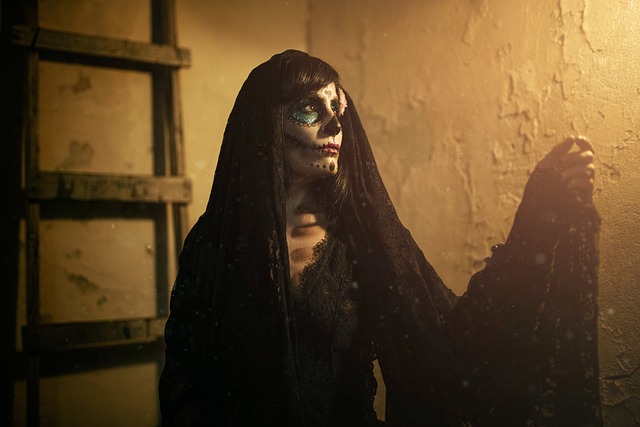
Historical Origins of Día de los Muertos
Long before Spanish colonization, Aztec and other Mesoamerican civilizations held ceremonies to honor Mictecacihuatl, the goddess of death. These rituals celebrated ancestral spirits’ return to the earthly realm each year. When Catholicism arrived in the 16th century, All Saints’ and All Souls’ Days merged with these Indigenous observances. This syncretism created a hybrid celebration where Indigenous reverence met Christian theology about eternal life. Over time, artistic expressions—masks, figurines, murals—translated spiritual devotion into material form. Each generation added new layers of meaning while preserving core beliefs about lineage and memory.
Symbolic Elements of the Celebration
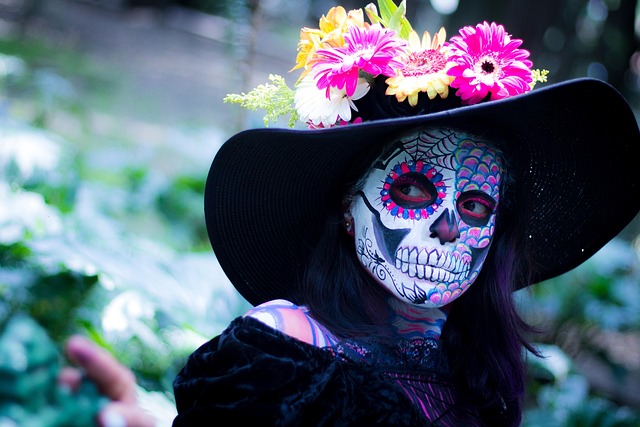
Altars known as ofrendas are central to Día de los Muertos. Families adorn them with marigolds (cempasúchil), candles, food offerings, and photographs to guide spirits home. The flower’s scent symbolizes life’s fragility yet radiance. Sugar skulls (calaveras) represent death’s sweetness—a playful acknowledgment that mortality is part of existence. Color schemes carry specific energy: orange for vitality, purple for mourning, white for purity. These visual codes later migrated into tattoo design language where skulls or marigold motifs maintain their ritual significance while gaining personal expression.
The Day of the Dead Mexican Tattoo as a Form of Cultural Expression
As body art gained social legitimacy worldwide, Mexican tattoo artists began translating traditional imagery into permanent designs. Tattoos became not only aesthetic choices but also acts of devotion and remembrance.
Visual Language and Iconography in Tattoo Art
Common motifs include calaveras, La Catrina, candles, rosaries, and flowers—each loaded with layered meaning. La Catrina, derived from José Guadalupe Posada’s early 20th-century etching, mocks vanity in death yet celebrates elegance beyond mortality. Marigolds symbolize guidance; candles signify spiritual illumination; skulls evoke transformation rather than decay. Folk art traditions influence tattoo linework through bold outlines and vivid color palettes reminiscent of papel picado or ceramic crafts. This stylistic continuity preserves authenticity even when rendered through modern ink techniques.
The Intersection Between Body Art and Ritual Memory
A day of the dead mexican tattoo functions like a portable altar etched into flesh. It turns ephemeral commemoration into lifelong remembrance. For many wearers, each symbol corresponds to a specific ancestor or personal loss—transforming grief into artful resilience. Tattooing thus extends ritual space from home altars to human bodies, merging sacred imagery with individual narrative voice. In doing so, it bridges collective heritage and personal identity in ways few other art forms achieve.
Identity, Heritage, and Representation in Day of the Dead Tattoos
Beyond aesthetics lies an ongoing conversation about belonging and representation within globalized tattoo culture.
Tattoos as Acts of Cultural Affirmation
For Mexican communities at home or abroad, these tattoos signal pride in ancestry amid cultural homogenization pressures. They reclaim Indigenous roots often marginalized by colonial histories or commercial stereotypes. Inked symbols become resistance against cultural erasure—asserting that heritage persists through creative adaptation rather than static preservation.
Negotiating Authenticity in Contemporary Tattoo Practices
As Día de los Muertos imagery spreads internationally, questions arise over homage versus appropriation. Non-Mexican artists must navigate ethical lines when using sacred symbols detached from their context. Responsible practitioners study iconographic origins and collaborate with cultural insiders to maintain integrity while innovating stylistically. Authentic representation requires respect for spiritual meaning beyond mere decoration—a principle increasingly emphasized within professional tattoo communities worldwide.
Aesthetic Evolution and Global Influence
Modern tattoo scenes reveal how traditional Mexican symbolism interacts dynamically with global aesthetics without losing its soul.
From Folk Symbolism to Global Artistic Movement
Migration patterns and media exposure have carried Día de los Muertos imagery far beyond Mexico’s borders—from Los Angeles studios to Tokyo galleries. Artists blend classical motifs with Western styles like realism or neo-traditional shading techniques. Hybrid aesthetics emerge: sugar skulls rendered in photorealistic detail or La Catrina reimagined through minimalist linework. Yet beneath stylistic innovation remains an unbroken thread—the affirmation that death is not an end but transformation.
The Role of Tattoo Artists as Cultural Interpreters
Tattooists act as mediators between heritage preservation and contemporary creativity. Many collaborate with traditional artisans who craft papel picado or clay figurines to translate their motifs faithfully into ink form. Through workshops and exhibitions, they document oral histories embedded in visual symbols—ensuring transmission across generations even as designs evolve technologically.
Emotional Resonance and Personal Narrative within Tattoo Culture
While aesthetic appeal draws attention first, emotional depth sustains meaning over time for both artist and wearer.
Commemoration, Loss, and Healing Through Ink
Tattoo rituals often coincide with mourning cycles during November festivities when families remember departed loved ones. For many individuals coping with loss abroad or distant from ancestral gravesites, tattoos serve as healing substitutes for physical altars. Each session becomes both cathartic act and testament that love transcends mortality—a sentiment mirrored by countless clients who describe their ink as emotional closure made visible.
Continuity Between Life, Death, and Identity Formation
Mexican cosmology views existence as cyclical: life feeds death which regenerates life again. Tattoos embody this philosophy materially by integrating ancestral presence into daily identity—the past literally carried beneath one’s skin. Such embodiment blurs boundaries between ritual space and everyday experience; remembrance ceases being annual performance and becomes constant dialogue inscribed permanently upon the self.
FAQ
Q1: Why are skulls central to Day of the Dead tattoos?
A: Skulls symbolize transformation rather than fear; they represent continuity between life and death consistent with Mesoamerican beliefs about cyclical existence.
Q2: What makes La Catrina significant in tattoo art?
A: La Catrina embodies equality before death while celebrating elegance; her image critiques vanity yet honors cultural dignity rooted in early 20th-century Mexican satire.
Q3: Are non-Mexicans encouraged to get Day of the Dead tattoos?
A: Yes—but only when approached respectfully through research or collaboration with culturally informed artists who understand symbolic context beyond surface aesthetics.
Q4: How do colors influence design meaning?
A: Each hue carries ritual significance—orange denotes vitality; purple signals mourning; white conveys purity—mirroring altar compositions used during festivities.
Q5: How has globalization changed traditional motifs?
A: Global exposure diversified styles by merging folk iconography with realism or minimalism while maintaining core spiritual messages about remembrance and renewal.