What Makes Aztec Mexican Tattoo Techniques Distinct in Chicano Art
Meridian Tattoo Shop Owner Specializes in Chicano, Aztec-Inspired Art
Aztec Mexican tattoo art has evolved from ancient ritual to modern cultural expression. In Meridian, tattoo artists are reviving these sacred motifs with precision and respect, blending Aztec cosmology with Chicano identity. This fusion represents more than body art—it’s a visual language of ancestry, resilience, and self-definition. The Meridian tattoo shop owner’s specialization in Chicano and Aztec-inspired art reflects a broader movement where historical symbolism meets contemporary technique, reinforcing both personal and communal heritage through ink.
Historical Roots of Aztec Mexican Tattoo Traditions
The roots of Aztec Mexican tattooing trace back to pre-Columbian societies where tattoos carried deep spiritual and social significance. These markings were not merely decorative; they connected individuals to gods, warriors, and cosmic forces that shaped their worldview.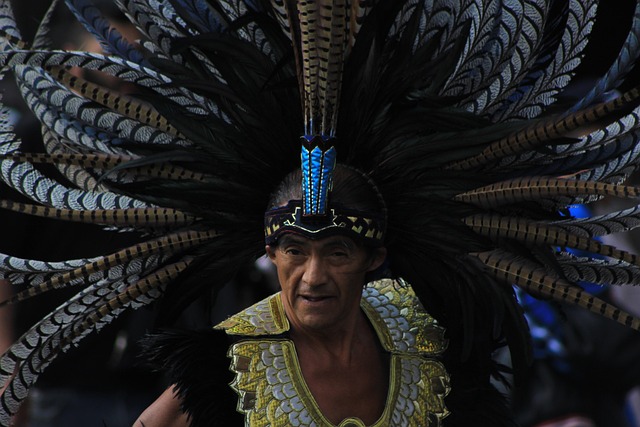
Symbolism and Spiritual Significance in Ancient Aztec Tattoos
In ancient Aztec culture, tattoos symbolized devotion to deities such as Huitzilopochtli or Quetzalcoatl. Warriors bore designs that reflected courage and loyalty to their tribe. Common motifs included the sun representing Tonatiuh’s power, the eagle symbolizing freedom and strength, and the serpent embodying transformation. Each tattoo served both ritualistic and aesthetic purposes—an offering to divine entities and a statement of identity within the community.
The Evolution of Indigenous Tattoo Practices Over Time
Spanish colonization disrupted indigenous practices, leading to the suppression of traditional tattooing. However, elements of Aztec iconography survived through oral storytelling, codices, and folk art. Over centuries, these symbols reemerged in new forms—murals, carvings, and now tattoos—reinterpreted by modern Chicano artists as acts of cultural reclamation. This revival is not nostalgic but transformative; it bridges ancestral wisdom with present-day resistance.
The Integration of Aztec Motifs into Chicano Art
Modern Chicano art carries forward the spirit of ancient Mesoamerican imagery while addressing contemporary issues of identity and belonging. The integration of Aztec motifs into this artistic tradition has created a unique visual dialogue between past and present.
Shared Cultural Narratives Between Aztec and Chicano Identities
Both Aztec and Chicano traditions express defiance against erasure. They celebrate endurance through adversity—whether colonial conquest or social marginalization. By embedding Aztec symbols into murals or tattoos, Chicano artists assert cultural continuity within a postcolonial world. This shared narrative transforms ancient mythology into living heritage that speaks directly to urban realities.
Iconographic Elements Common in Aztec Mexican Tattoos
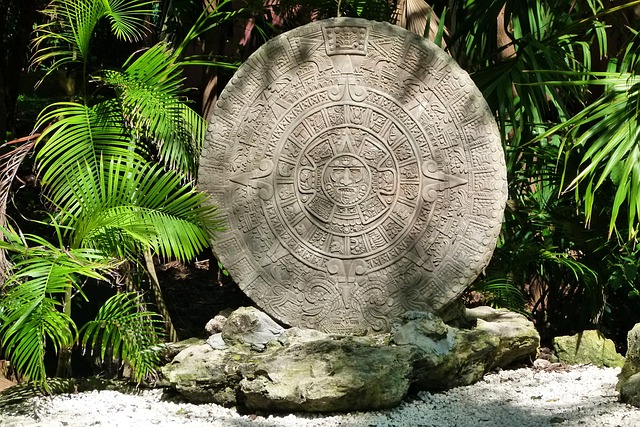
Aztec Mexican tattoos often depict deities like Quetzalcoatl (the feathered serpent), Huitzilopochtli (god of war), or Tonatiuh (the sun god). Geometric symmetry mirrors cosmic order while stylized skulls recall sacrifice as a path to renewal. Warriors etched in bold lines represent valor rooted in history. These recurring motifs form a visual vocabulary that connects wearers across generations.
Technical Distinctions in Aztec Mexican Tattoo Techniques
The artistry behind Aztec-inspired tattoos demands mastery beyond design—it requires understanding composition rooted in Mesoamerican aesthetics. Modern tattooists adopt techniques that mirror stone carvings yet remain adaptable to skin’s organic surface.
Line Work and Shading Approaches Unique to the Style
Artists use thick black outlines combined with fine dotwork to replicate the texture of carved basalt sculptures found in temples around Tenochtitlan. Shading is deliberate: dense gradients mimic shadowed reliefs while maintaining symbolic clarity. Each stroke must balance intensity with precision so that spiritual meaning remains intact even decades later.
Composition Principles Rooted in Mesoamerican Aesthetics
Aztec cosmology valued duality—light versus darkness, life versus death—and this principle guides tattoo composition today. Designs often feature bilateral symmetry reflecting harmony between opposing forces. Layered imagery evokes temple murals or codices where gods coexist within circular frames signifying time’s cyclical nature. Placement on shoulders or chest aligns with beliefs about energy flow protecting vital organs from harm.
The Role of Modern Tattoo Artists in Preserving Cultural Authenticity
Tattooists working within this tradition serve as cultural stewards as much as artisans. Their challenge lies in balancing reverence for heritage with innovation suited for modern expression.
Balancing Tradition with Contemporary Innovation
Contemporary artists adapt ancient motifs using digital sketching tools for accuracy while retaining hand-drawn authenticity during application. Machines may change but intention remains sacred—to honor lineage without diluting meaning. Collaborative projects among Chicano tattooists foster stylistic growth while keeping ancestral respect central to practice.
Ethical Considerations in Cultural Representation
Responsible practitioners emphasize research before adopting sacred imagery such as deity faces or calendar glyphs. Context matters: symbols once used for rituals should not be trivialized for fashion trends. Ethical artistry reinforces community pride by teaching clients the stories behind each line rather than selling aesthetics detached from origin.
Influence of Meridian-Based Artists on the Contemporary Scene
Meridian’s growing reputation for culturally grounded tattoo artistry highlights how local studios can shape global appreciation for indigenous-inspired design philosophies.
The Artistic Philosophy Behind Aztec-Inspired Chicano Tattooing in Meridian Studios
Within Meridian studios, artists reinterpret ancestral motifs through personal narratives shaped by urban life. Their approach merges regional identity with international recognition for technical excellence in Chicano art forms. Mentorship programs emphasize both cultural education and mastery of craft—ensuring apprentices grasp historical depth alongside practical skill.
Expanding the Global Appreciation for Aztec Mexican Tattoo Artistry
Exhibitions and cross-border collaborations bring this hybrid aesthetic onto global stages where it’s recognized not just as body decoration but as fine art rooted in history. Digital platforms amplify its reach while academic interest grows among anthropologists studying visual heritage transmission through skin art. As scholarship expands, so does respect for aztec mexican tattoo techniques as disciplined expressions connecting art history with living culture.
FAQ
Q1: What makes an aztec mexican tattoo different from other tribal designs?
A: It integrates specific Mesoamerican symbolism like solar disks or feathered serpents tied to cosmological beliefs rather than generalized tribal patterns.
Q2: How do Meridian artists maintain authenticity when using ancient symbols?
A: They study codices, consult historians, and prioritize cultural literacy before translating motifs into modern compositions.
Q3: Are these tattoos purely decorative today?
A: No, they still carry layers of meaning related to ancestry, spirituality, and resistance against cultural erasure.
Q4: What materials or tools are typically used now?
A: Modern rotary machines replace traditional needles but shading methods mimic stone relief textures through precise dotwork techniques.
Q5: Why is ethical representation important in aztec mexican tattooing?
A: Because misuse or decontextualization can distort sacred imagery; ethical practice preserves respect toward indigenous heritage while allowing creative evolution.