
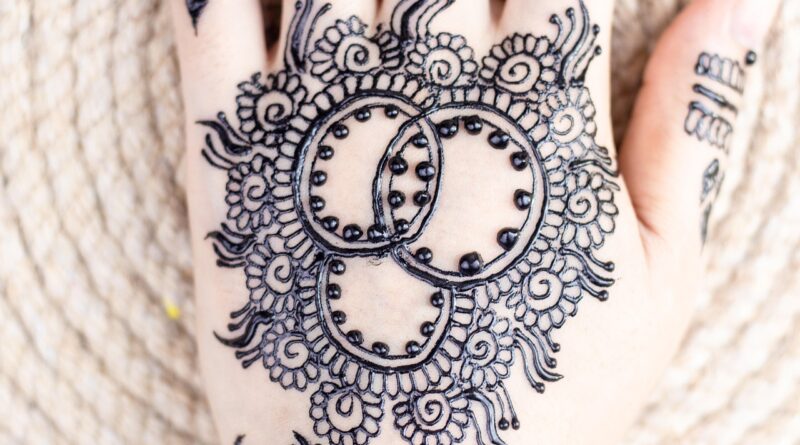
Tattoo styles and examples for choosing your next design
Tattoo styles and examples are useful when they help turn inspiration into a workable design. A strong tattoo concept usually depends on three decisions: the visual language you want, the level of detail that can hold up on skin, and the placement that suits the design. Traditional, realism, fine line, blackwork, Japanese, geometric, watercolor, lettering, and illustrative tattoos can all be successful, but they do not age, scale, or read in the same way. This guide compares major tattoo styles, gives practical examples for each, and outlines what to discuss before committing to a design.
How to compare tattoo styles before choosing a design
Choosing a tattoo style is not only a matter of taste. Style affects how the tattoo is drawn, where it can be placed, how much detail it can carry, and how it may look after years of sun exposure, skin changes, and normal fading. A design that looks clear as a large back piece may lose definition if it is reduced to a two-inch wrist tattoo.

A useful comparison starts with five questions:
- Line weight: Does the style rely on bold outlines, delicate lines, or little to no visible outline?
- Contrast: Does it use strong black, soft grey, bright color, or muted tones?
- Scale: Does the design need room for detail, or can it work as a small symbol?
- Subject matter: Does the style naturally suit animals, portraits, flowers, lettering, mythology, abstract patterns, or cultural motifs?
- Artist specialization: Has the artist shown healed work in the same style, not only fresh photos?
Interest in tattoos is broad rather than niche. Pew Research Center reported in a 2023 U.S. survey that 32% of adults had at least one tattoo, including 22% who had more than one. Wider acceptance has also made style choice more important, as many clients now plan tattoos as long-term collections rather than isolated images.
Classic tattoo styles and examples
American traditional tattoos
American traditional tattoos are known for bold black outlines, a limited but strong color palette, and simple shapes that can be read from a distance. Common examples include anchors, roses, daggers, swallows, panthers, hearts, eagles, and banners. The style works well for arms, calves, chest pieces, and compact flash designs because the shapes remain clear even when the tattoo is not viewed up close.
Its main advantage is durability of design language. Thick outlines and high contrast usually make the image easier to read over time than very small or low-contrast details. The trade-off is that the style is intentionally graphic, so it may not suit someone looking for photographic softness or subtle realism.
Neo-traditional tattoos
Neo-traditional tattoos build on traditional tattooing but often use broader color ranges, decorative details, and more dimensional shading. Examples include foxes framed by flowers, jeweled daggers, moths with ornamental wings, portraits with stylized hair, and animals surrounded by leaves or scrollwork.
This style is a good match for people who like the structure of traditional tattooing but want more movement and detail. It usually needs more space than a simple old-school design because decorative elements can become crowded if the piece is scaled down too far.
Japanese-style tattoos
Japanese-style tattooing often features large compositions with flowing backgrounds and symbolic subjects. Examples include koi fish, dragons, tigers, snakes, peonies, chrysanthemums, waves, clouds, wind bars, masks, and warrior figures. Sleeves, back pieces, chest panels, and leg sleeves are common placements because the style benefits from movement across the body.
Planning matters more here than with a small standalone tattoo. Background elements are not filler; they connect subjects and guide the eye. Anyone considering a Japanese-style sleeve should discuss the full composition early, even if the tattoo will be completed over multiple sessions.
Tribal and Polynesian-inspired tattoos
Tribal tattooing is a broad category and should be approached with care. Some modern tribal tattoos use abstract black patterns, while Polynesian, Māori, Samoan, and other Indigenous tattoo traditions can carry cultural, family, rank, or personal meanings. Examples may include bands, repeating geometric forms, shoulder caps, chest panels, and flowing body-contour patterns.
The key planning issue is respect. Avoid copying sacred or culturally specific symbols from images without understanding their context. If the design is inspired by a living cultural tradition, work with an artist who understands that tradition and can explain what is appropriate.
Modern and minimal tattoo styles
Fine line tattoos
Fine line tattoos use delicate linework to create light, precise designs. Examples include small flowers, constellations, handwritten names, tiny animals, single-line faces, minimalist landscapes, and subtle birth-year or coordinate tattoos.
This style is popular for wrists, inner arms, ribs, ankles, and behind-the-ear placements. The appeal is elegance; the caution is that very fine details can soften over time. Larger spacing, clean negative space, and a realistic size can help the design stay legible.
Minimalist tattoos
Minimalist tattoos reduce an idea to its simplest form. Examples include a small crescent moon, a single mountain line, a wave, a heart outline, initials, a tiny star, a short word, or a simple pet silhouette. Minimalist designs are often chosen for first tattoos because they can be discreet and quick to complete.
Simple does not mean careless. A small tattoo leaves less room for correction, and uneven linework is easy to notice. Placement also matters because fingers, palms, and high-friction areas may fade faster or require touch-ups more often than protected areas.
Watercolor tattoos
Watercolor tattoos imitate paint washes, soft gradients, splashes, and translucent color. Examples include birds with color bursts, abstract flowers, brushstroke butterflies, paint-splash planets, or a black outline paired with loose color around it.
The style can look expressive, but it needs a clear structure. Designs with no dark anchor may lose definition as color softens. Many artists combine watercolor effects with black linework or a clear central image so the tattoo remains readable.
Geometric and dotwork tattoos
Geometric tattoos use symmetry, repetition, sacred geometry-inspired shapes, and precise linework. Dotwork uses small dots to build shading, gradients, and texture. Examples include mandalas, hexagons, ornamental cuffs, solar systems, animals made from polygonal shapes, and dot-shaded moons.
These styles reward accuracy. Straight lines, circles, and symmetrical patterns reveal small errors more easily than organic designs. They often work well on forearms, sternum areas, backs, shoulders, and calves, where the artist has enough surface area to align the pattern with the body.
Bold black ink styles
Blackwork tattoos
Blackwork tattoos use solid black, negative space, pattern, and strong contrast. Examples include blackout panels, botanical silhouettes, abstract sleeves, heavy ornamental bands, woodcut-style figures, and large graphic animals. The style can be dramatic and clear from a distance. See also: tattoo care.
Because blackwork can cover a lot of skin, it requires careful planning. Large saturated areas may involve longer sessions and a more demanding healing period. Body flow also matters; the strongest pieces often follow muscle groups and natural curves.
Ornamental tattoos
Ornamental tattoos draw from jewelry-like shapes, lace, mandalas, architectural details, and decorative patterning. Examples include sternum ornaments, under-bust designs, spine pieces, wrist cuffs, shoulder caps, and symmetrical back designs.
Placement is central to this style. A symmetrical sternum or spine tattoo can look balanced when aligned well, but the body is not perfectly flat or perfectly symmetrical. The artist may need to adapt the design to the client’s anatomy rather than force a paper-perfect stencil.
Realism, illustrative, and lettering examples
Realism tattoos
Realism tattoos aim to recreate subjects with lifelike light, shadow, and texture. Examples include portraits, pets, statues, eyes, film characters, wildlife, skulls, and nature scenes. Realism can be black and grey or color, but it usually needs enough size to hold subtle transitions.
The most important factor is the artist’s portfolio. Look for healed portraits, accurate proportions, smooth shading, and subjects similar to your idea. A tiny realistic face may not age as well as a larger portrait because small tonal details can blur together.
Illustrative tattoos
Illustrative tattoos sit between drawing, graphic art, and tattoo tradition. Examples include storybook animals, botanical diagrams, fantasy creatures, engraved-style insects, tarot-inspired figures, and surreal scenes. This category is flexible because it can borrow from sketching, etching, comic art, and fine art.
It is a strong choice when the concept matters as much as the subject. A raven, for example, can be drawn as a scientific illustration, a dark folklore symbol, a soft pencil-like sketch, or a bold graphic shape. The style decision changes the emotional tone of the same subject.
Lettering and script tattoos
Lettering tattoos focus on words, dates, names, initials, prayers, lyrics, or short phrases. Examples include single-word reminders, family names, Roman numerals, memorial dates, and handwritten notes. Script can be elegant, but legibility should come before decorative complexity.
Short text usually works better than long paragraphs. Letters need enough spacing so they do not merge as the tattoo settles. Before booking, confirm spelling, language, punctuation, and whether the font still reads clearly at the intended size.
Style comparison table
| Style | Common examples | Works well for | Planning notes |
|---|---|---|---|
| American traditional | Roses, anchors, daggers, eagles | Clear, bold, compact designs | Strong outlines and limited colors support readability |
| Fine line | Tiny flowers, constellations, single-line faces | Subtle and delicate tattoos | Avoid overcrowding and ask to see healed work |
| Japanese-style | Koi, dragons, waves, peonies | Sleeves, backs, large flowing pieces | Plan background and main subject together |
| Realism | Portraits, pets, statues, wildlife | Lifelike detail and shading | Usually needs more space than symbolic designs |
| Blackwork | Solid panels, patterns, silhouettes | High contrast and graphic impact | Large saturated areas may require more healing commitment |
| Geometric | Mandalas, polygons, cuffs, dotwork moons | Symmetry and pattern-based tattoos | Placement alignment is especially important |
| Lettering | Names, dates, short phrases | Meaning-driven minimal designs | Spacing and spelling must be checked before tattooing |
How style affects placement, aging, and safety
Placement can strengthen or weaken a tattoo style. Large realism, Japanese-style compositions, and ornamental work often need broad areas such as the back, thigh, chest, upper arm, or calf. Fine line symbols, minimalist marks, and small lettering can fit narrower placements, but they still need enough space to breathe.
Aging is not only about ink quality. Sun exposure, aftercare, immune response, friction, skin texture, and design density all influence how a tattoo changes. High-contrast designs with adequate spacing usually remain easier to read than tiny details packed tightly together. This does not make one style better than another, but it does mean the same idea may need a different size depending on the style.
Safety should be part of the style conversation. The U.S. Food and Drug Administration has warned that tattoo inks can be associated with infections, allergic reactions, and other complications, while Mayo Clinic guidance emphasizes choosing a studio that follows proper safety practices. These points do not mean tattoos are inherently unsafe for everyone; they mean clients should treat tattooing as a procedure that breaks the skin and requires professional hygiene, informed consent, and aftercare.
Before an appointment, ask the artist about sterilization practices, single-use needles, ink handling, aftercare instructions, and what to do if unusual redness, swelling, rash, or pain develops. If you have a history of keloids, skin disease, allergies, immune concerns, or medical treatment that affects healing, speak with a qualified healthcare professional before getting tattooed.
Frequently asked questions
What tattoo style is easiest to read over time?
Styles with clear outlines, strong contrast, and enough negative space are often easier to read as they age. American traditional, many blackwork designs, and simplified illustrative tattoos are good examples. Artist skill, placement, aftercare, and sun protection also matter.
Which tattoo styles are good for a first tattoo?
Minimalist, fine line, small traditional flash, simple botanical designs, and short lettering are common first-tattoo choices because they can be planned at a modest scale. The best choice is the style that fits your idea and can be executed clearly at the size you want.
Can I mix tattoo styles in one sleeve?
Yes, but mixed-style sleeves need a unifying plan. Repeated colors, consistent line weight, shared background elements, or a patchwork layout can make different styles feel intentional rather than random. Discuss the full sleeve direction before adding too many unrelated pieces.
Are small detailed tattoos a bad idea?
Not always. Small tattoos can work well when the design is simple and the artist leaves enough spacing. Problems are more likely when a design includes tiny faces, dense lettering, complex shading, or many small elements in an area too limited to hold them clearly.
How should I prepare examples for a tattoo artist?
Bring references that show style, mood, subject, and placement, but do not ask for a direct copy of another person’s tattoo. A useful brief might include two or three style references, the subject you want, approximate size, preferred placement, and any elements you do not want included.