
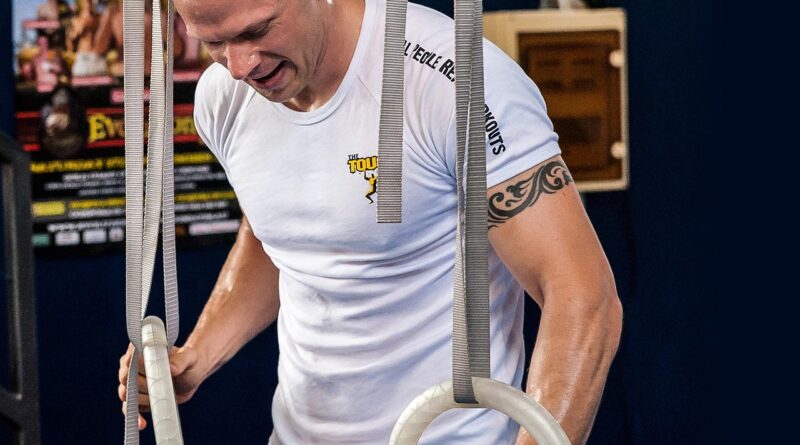
Tattoo placement on arm guide for forearm, bicep, wrist and sleeve ideas
How to choose tattoo placement on arm
The best tattoo placement on arm comes down to a few practical questions: how visible you want the tattoo to be, how much discomfort you are prepared for, and whether the design needs a flatter surface or a shape that can wrap with the body. For many first arm tattoos, the outer upper arm and outer forearm are easier to plan. They offer readable surfaces, moderate to high visibility, and fewer extreme bends than the wrist or elbow. Inner arm, wrist, elbow and armband placements can look refined, but they need more careful sizing because the skin stretches, folds or moves often.
Placement is not only about how the tattoo looks in a photo. It also affects how the design sits when your arm is relaxed, bent, raised or turned. Use the comparisons below to narrow your options before discussing the final stencil with an artist.
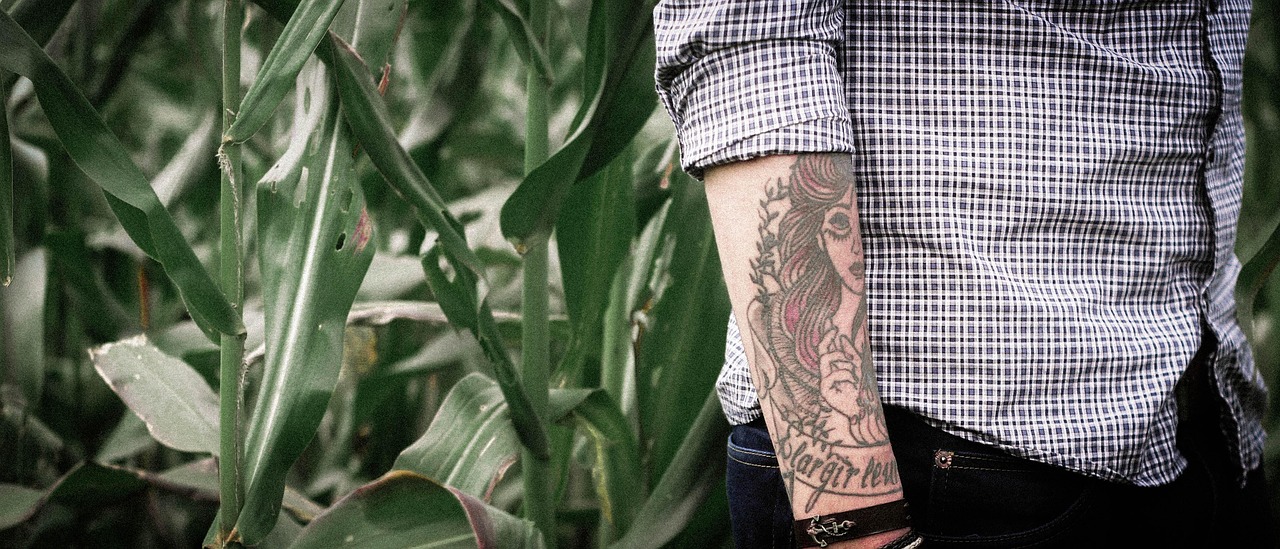
Arm tattoo placement comparison
The arm is popular because it offers several levels of exposure. A tattoo can be easy to show on the forearm, mostly covered on the upper arm, or visible only when you turn the arm. The right choice depends on daily clothing, design size, and whether the tattoo is meant to stand alone or become part of a larger sleeve later.
| Arm area | Best suited for | Visibility | Planning notes |
|---|---|---|---|
| Outer upper arm | Medium pieces, traditional motifs, portraits, florals, symbols | Easy to cover with short sleeves or show with sleeveless clothing | A forgiving first-tattoo area with enough space for clean composition |
| Inner upper arm | Text, fine-line work, personal symbols, softer designs | More private unless the arm is lifted or turned | Skin can be more sensitive, and designs near the armpit need careful spacing |
| Outer forearm | Readable artwork, script, illustrative designs, geometric pieces | High visibility in short sleeves | Works well for designs that should be seen clearly from the front or side |
| Inner forearm | Quotes, delicate linework, symbolic pieces, small scenes | Visible when the palm faces up or the arm turns outward | Good for personal pieces, but placement should account for wrist and elbow movement |
| Wrist | Small symbols, initials, minimal designs, bracelet-like ideas | Very visible unless covered by sleeves or accessories | Limited space; simple designs usually age more cleanly than crowded detail |
| Elbow and elbow ditch | Bold fillers, circular motifs, sleeve transitions | Visible with short sleeves | High-movement area; best handled by artists experienced with joints |
| Half or full sleeve | Large storytelling designs, connected themes, mixed motifs | Variable depending on clothing | Requires long-term planning so individual pieces do not compete with each other |
Forearm placement
The forearm is one of the clearest locations for a tattoo because it has a long, readable surface. If the design includes words, faces, animals, flowers or geometric lines, the forearm often lets people understand the piece without needing an awkward viewing angle. The outer forearm is usually the stronger choice for artwork meant to be seen by others. The inner forearm feels more personal because it faces the wearer more often and is less constantly visible to people in front of you.
For vertical designs, the forearm provides a natural frame from wrist to elbow. A dagger, vine, snake, feather or line of text can follow the length of the arm. For horizontal designs, artists often adjust the angle so the tattoo does not look tilted when the arm rests at your side. This is why the stencil should be checked with your arm relaxed, bent and turned, not only while standing still in one pose.
If you are planning future work, leave breathing room near the wrist and elbow. A forearm tattoo placed too close to the elbow ditch may make later sleeve transitions harder. If the piece sits too close to the wrist crease, it may compete with bracelets, watches or hand tattoos later.
Upper arm and bicep placement
The upper arm is a practical option for people who want a tattoo that can be visible but is still easy to cover. The outer upper arm has a rounded yet generous surface, which makes it suitable for classic tattoo shapes such as animals, skulls, roses, mandalas, crests and portrait-style pieces. Because the area is often covered by sleeves, it also gives the wearer more control over when the tattoo is displayed.
The inner bicep creates a different effect. It feels more intimate because the tattoo is partly hidden when the arm hangs naturally. Script, small symbolic work, fine-line florals and memorial designs often fit this area well. The tradeoff is that the inner upper arm can be more sensitive and may be harder to display cleanly in photos because the arm needs to be turned or lifted.
For wraparound bicep tattoos, planning matters. A band that looks straight when the arm is extended can appear uneven when the elbow bends or the muscle flexes. Rather than forcing a perfectly mechanical band, many artists adjust the stencil to follow the body. That can help the final tattoo look more natural in real movement.
Wrist, elbow and wraparound placements
Wrist tattoos are small but highly visible. They work best when the idea is simple enough to remain legible at a compact size. Tiny lettering, micro symbols and detailed miniature images can look attractive when fresh, but small lines placed too close together may blur visually over time. A practical approach is to make the design slightly simpler than the version you would choose for a larger forearm area.
The elbow is a specialized placement. The outer elbow has a bony, rounded surface, while the inner elbow ditch folds whenever the arm bends. Both can be striking in a sleeve, but they are less forgiving for delicate detail. Bold shapes, open spacing and flexible designs usually work better than tiny realism or tightly packed text.
Wraparound placements can create a bracelet, cuff or flowing sleeve effect. They also require the most careful stencil review. Ask to see the design from the front, side and back of the arm. If the design has a central focal point, decide where that point should sit: facing outward for public visibility, inward for personal viewing, or centered along the arm for balance.
Pain, healing and safety considerations
Pain varies from person to person, so no chart can guarantee how a placement will feel. Medical and health publishers commonly note that tattoo discomfort depends on placement, personal tolerance and the nature of the session. Areas with thinner skin, many nerve endings or less padding are often described as more uncomfortable. On the arm, that usually means the inner bicep, wrist and elbow areas may feel sharper than the outer upper arm or outer forearm. (healthline.com)
Safety should be part of placement planning, not an afterthought. The U.S. Food and Drug Administration explains that tattoos are made by inserting ink into the skin with needles or similar equipment, and it has received reports involving infections from contaminated inks and allergic reactions to tattoo inks. Mayo Clinic also notes that a studio that does not follow good safety practices can increase the risk of skin infection. (fda.gov)
Before the appointment, avoid placing a tattoo over a mole, rash, irritated skin or any changing spot that should be checked by a medical professional. The American Academy of Dermatology warns that tattoos can make it harder to see early signs of skin cancer. That does not mean arm tattoos are unsafe for everyone, but it does mean placement should respect skin that needs medical visibility. (aad.org) See also: tattoo care.
How design style changes the best arm placement
Different tattoo styles need different amounts of space. A fine-line design can work well on the inner forearm or inner bicep if the lines are not packed too tightly. Traditional and neo-traditional tattoos usually benefit from the outer arm because bold outlines and color blocks read well from a distance. Realism, portraits and detailed animals often need more surface area, making the outer upper arm or a larger forearm placement more practical than the wrist.
Script requires special care. A quote may fit beautifully along the inner forearm, but the letters should be large enough to remain readable. Curved script around the wrist or bicep can look elegant, yet it must account for how the arm rotates. If the phrase has personal meaning, decide whether you want to read it yourself or present it outward to others. That choice changes the direction and angle of the stencil.
Geometric tattoos need a steady canvas. Straight lines and symmetrical patterns can be affected by joints, muscle curves and arm rotation. That does not rule them out, but it makes the artist’s placement skill more important. For exact circles, mandalas or repeating patterns, the outer upper arm and upper forearm often give more control than the elbow ditch or wrist crease.
Planning checklist before you book
Use this checklist before committing to a tattoo placement on arm, especially if the design is your first visible tattoo or part of a future sleeve.
- Check visibility in real clothing. Wear the shirts, jackets or uniforms you use most often and mark where the tattoo would show.
- Test the stencil in motion. Look at the placement with your arm relaxed, bent, lifted and turned.
- Match detail to size. Small placements need simpler artwork; detailed designs need more room.
- Plan future tattoos. If you may want a sleeve later, leave space around joints and major focal areas.
- Consider sun exposure. Forearm and wrist tattoos often get more sun than the upper arm, so long-term care matters.
- Follow aftercare from your artist. If instructions conflict with a health concern, ask a licensed medical professional.
For healed tattoos, the American Academy of Dermatology recommends protecting tattooed skin in the sun with a broad-spectrum, water-resistant sunscreen with SPF 30 or higher. It also cautions that petroleum-based products can cause tattoo ink to fade, so aftercare products should be chosen carefully and used according to professional guidance. (aad.org)
If you want to compare arm placement with other body areas, visit our tattoo placements archive for more placement-focused guides.
Frequently asked questions
What is the easiest arm placement for a first tattoo?
The outer upper arm and outer forearm are often the easiest to plan because they provide enough space, good visibility and fewer extreme folds than the wrist or elbow. They also allow the artist to place a stencil that remains readable when the arm moves.
Is the inner arm a good tattoo placement?
Yes, the inner arm can be a good placement for personal designs, script and fine-line work. The main limitations are sensitivity, viewing angle and skin movement near the armpit, elbow ditch and wrist. A design with open spacing usually works better than crowded detail.
Should an arm tattoo face me or face outward?
If the tattoo is mainly personal, facing the wearer can make sense, especially on the inner forearm. If it is meant to be read or recognized by others, outward-facing placement is usually more practical. For symbols and images, discuss orientation with your artist before the stencil is applied.
Can I start with a small arm tattoo and build a sleeve later?
Yes, but it is better to plan ahead. A small tattoo placed in the center of a major sleeve area may limit future composition. If you think you may want a half or full sleeve, tell your artist so the first piece can become a focal point, border or planned part of a larger layout.
Which arm tattoo placements fade faster?
Fading depends on ink, technique, aftercare, sun exposure and skin type. Areas that receive frequent sun, rubbing or repeated movement may need more long-term care. Forearm and wrist tattoos are often more exposed than upper arm tattoos, so sun protection after healing is especially important.