Harry Styles moth tattoo meaning and butterfly design details
What the Harry Styles moth tattoo actually is
The design many fans search for as the Harry Styles moth tattoo is usually the large black insect centered on his torso. In public reporting, however, it is more often identified as a butterfly than a moth. That distinction matters because the documented details are limited: the tattoo has been attributed to London tattoo artist Liam Sparkes, it became widely visible in 2013, and GQ UK later reported that Sparkes connected the design to Papillon, the film whose title means butterfly in French. Styles himself has not given a detailed public explanation of the tattoo’s personal meaning, so ideas such as transformation, freedom, rebirth, or darkness should be treated as interpretations rather than confirmed biography.
The uncertainty helps explain why the design remains so searchable, but the tattoo also stands out on visual grounds. It is bold, symmetrical, easy to recognize, and placed in a high-impact area. It sits between celebrity tattoo culture and classic tattoo symbolism, which makes it useful to study even if you do not want an exact copy.
Confirmed details and common assumptions
Celebrity tattoos are often discussed through fan posts, edited photos, and repeated summaries. For this tattoo, it is useful to separate what is reasonably documented from what is commonly assumed. The table below gives a practical fact check for readers who want a clear starting point.
| Detail | What is generally reported | How certain it is |
|---|---|---|
| Common search name | Harry Styles moth tattoo | Common fan and search phrasing |
| More accurate description | A large black butterfly on the center torso | Widely used by entertainment and fashion publications |
| Placement | Centered across the sternum and upper abdomen area | Visible in many public images |
| Tattoo artist | Liam Sparkes | Reported by outlets including E! News and GQ UK |
| Public reveal period | Early 2013, after a photo was posted online and later confirmed in entertainment reporting | Reasonably documented |
| Reported design reference | Papillon | Reported by GQ UK as Sparkes’ explanation |
| Personal meaning to Styles | Not fully explained by Styles in a detailed public statement | Unconfirmed beyond interpretation |
The most careful description is therefore straightforward: it is Harry Styles’ large black butterfly torso tattoo, often searched as a moth tattoo, with reported design links to Papillon and no fully confirmed personal meaning from Styles himself.
Why people call it a moth instead of a butterfly
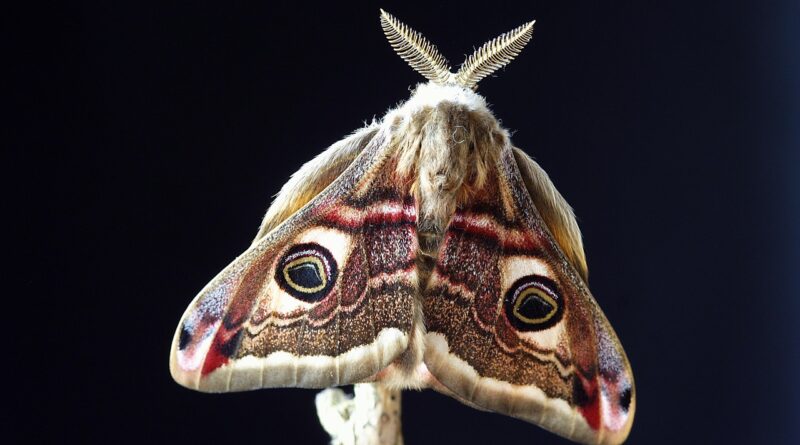
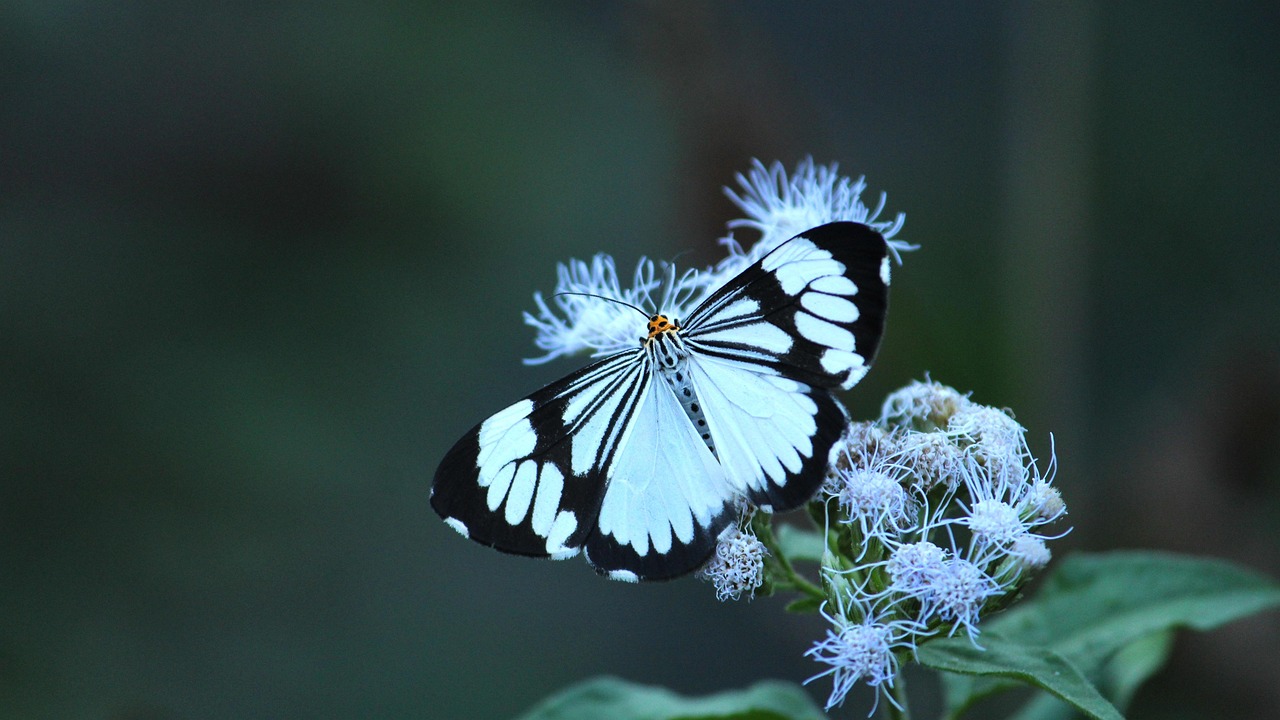
The moth label is understandable. The tattoo is rendered in dark ink, the wings are broad, and the body is heavy enough to read as a nocturnal insect at a quick glance. In natural science, butterflies and moths are often distinguished by antenna shape, wing-resting posture, coloration, and body texture. In tattoo design, those distinctions are frequently blurred because artists simplify, stylize, darken, or exaggerate forms for visual strength.
On Styles’ torso, the insect reads less like a delicate, colorful butterfly and more like a bold blackwork emblem. That is why the keyword “harry styles moth tattoo” persists even though many published descriptions call it a butterfly. For tattoo planning, the ambiguity creates options. If you like the celebrity reference, you might ask for a butterfly with darker, heavier wings. If you prefer a true moth, you can move the design toward feathery antennae, a thicker body, moon imagery, or species such as a death’s-head hawkmoth or luna moth.
What the tattoo may mean and what remains unconfirmed
The most common reading of the design is transformation. Butterflies are strongly associated with change because they pass through a visible metamorphosis from caterpillar to chrysalis to winged adult. In celebrity coverage, that symbolism is often connected to Styles’ shift from teenage band member to a more independent public figure. The interpretation is plausible, but it should not be presented as something Styles has personally confirmed.
The Papillon connection adds another layer. Papillon is French for butterfly, and the well-known film adaptation is associated with imprisonment, escape, endurance, and freedom. If Sparkes’ reported reference is treated as the design origin, the tattoo can be read as less sweet and more defiant: a black butterfly as a symbol of survival or release rather than a decorative insect.
A moth interpretation changes the mood again. Moths often suggest night, instinct, attraction to light, vulnerability, secrecy, and transformation in a darker register. That is one reason moth tattoos are popular among people who want the symbolism of change without the softness sometimes associated with butterflies. The key point is that these meanings are readings. They can guide your own tattoo idea, but they should not be framed as private facts about Styles.
Style analysis of the design
The visual strength of the tattoo comes from four design choices: scale, symmetry, dark ink, and central placement. It is not a small decorative piece. It occupies a broad, open part of the torso, which makes it feel deliberate even when seen briefly. The wings create a near-horizontal spread, while the insect body aligns with the body’s center line. This gives the tattoo a strong architectural quality.
The design also works because it is graphic rather than overly detailed. It has enough internal structure to feel alive, but it is not dependent on tiny micro-details that could blur quickly. For readers exploring different tattoo styles, it sits close to blackwork, traditional-inspired illustrative work, and old-school body placement rather than fine-line minimalism.
That does not mean the tattoo is easy to replicate well. A centered torso design exposes every imbalance. If one wing sits higher, if the body line tilts, or if the lower details do not follow the wearer’s anatomy, the eye notices quickly. A successful version needs careful stencil placement, enough size for the wing structure, and an artist who understands how ink moves with the chest, ribs, and abdomen.
Placement considerations before choosing a similar tattoo
The sternum and upper abdomen area is visually powerful, but it is also one of the more demanding places to get tattooed. The skin moves with breathing, posture, and muscle tension. The area can feel sensitive because it sits close to bone in the center and near the ribs on the sides. Pain varies by person, but anyone planning this placement should expect a more intense session than a small forearm or outer-arm tattoo.
Size is another practical issue. A design inspired by Styles’ tattoo needs room. If it is made too small, the wings may collapse into a dark shape, and the internal linework can become muddy over time. A good artist may recommend simplifying the design, increasing scale, or moving it slightly depending on your torso shape. See also: tattoo care.
Aftercare matters as much as the appointment. U.S. Food and Drug Administration consumer guidance has noted that tattoo inks can be associated with infections or allergic reactions, especially when contamination or unsafe practices are involved. The American Academy of Dermatology also advises protecting tattooed skin from sun exposure, including the use of broad-spectrum, water-resistant sunscreen with SPF 30 or higher once the tattoo is healed. In practical terms, choose a licensed studio, follow your artist’s aftercare instructions, avoid soaking a fresh tattoo, and seek medical advice if redness, swelling, rash, heat, pus, fever, or worsening pain appears.
How to adapt the idea without copying it exactly
Celebrity tattoos can be useful references, but an exact copy often feels flat because it borrows someone else’s placement, proportions, and public story. A stronger approach is to identify what you actually like about the Harry Styles moth tattoo: the black ink, the wing shape, the central torso placement, the transformation symbolism, or the Papillon mood. Once that is clear, you can build a design that fits your own body and intent.
- Choose a true moth if you want a darker, nocturnal look with heavier antennae and textured wings.
- Use a butterfly if you want the Papillon reference or a clearer transformation symbol.
- Change the placement to the upper back, thigh, ribs, or forearm if the sternum feels too intense.
- Add botanical elements, moon phases, stars, or ornamental framing to separate your design from the celebrity version.
- Ask for a species-based design, such as a luna moth, atlas moth, monarch-inspired butterfly, or swallowtail-inspired butterfly.
- Keep the center-line symmetry but change the wing pattern so the tattoo belongs to your body rather than to a photo reference.
For a subtle Harry Styles reference, you do not need to copy the insect at all. A small butterfly, a single wing, a Papillon-inspired motif, or a lyric-related design may carry the same personal connection with less visual imitation.
Questions to ask your tattoo artist
Before booking a large torso insect tattoo, bring reference images but stay open to adjustment. A professional artist should help translate the idea into a design that works on your body, not simply trace a celebrity photo. Useful consultation questions include:
- Would this design read more clearly as a moth or a butterfly?
- Is the size large enough for the wing details to age well?
- How will the stencil align with my sternum, ribs, and natural posture?
- Should any details be simplified for long-term clarity?
- How many sessions might be needed for comfort and precision?
- What aftercare steps do you recommend for a torso tattoo under clothing?
A strong artist will also be honest about whether their style fits the request. Someone who specializes in fine-line florals may not be the right person for a heavy black torso piece, while a blackwork or traditional-inspired artist may understand the graphic impact better.
Frequently asked questions
Is Harry Styles’ tattoo a moth or a butterfly?
It is commonly searched as a moth tattoo, but most entertainment and fashion coverage describes it as a butterfly. The dark ink and broad wing shape explain why many viewers read it as moth-like.
Who did Harry Styles’ butterfly tattoo?
The tattoo is widely attributed to Liam Sparkes. E! News connected Sparkes to the early online reveal, and GQ UK later identified him as the artist behind the butterfly design.
What does the Harry Styles moth tattoo mean?
There is no detailed public explanation from Styles that confirms a personal meaning. Common interpretations include transformation, freedom, escape, and rebirth. GQ UK reported a Papillon connection through Sparkes, which supports a freedom or escape reading, but fan symbolism should still be treated as interpretation.
Is a sternum moth or butterfly tattoo a good first tattoo?
It can be, but it is not the easiest first placement. The sternum and rib area can be sensitive, and a large symmetrical design requires patience. If you are unsure, consider a smaller insect design on the arm, thigh, or upper back first.
Should I copy Harry Styles’ tattoo exactly?
It is usually better to adapt the idea. Keep the elements you like, such as black wings, symmetry, or transformation symbolism, but ask your artist to create a custom version that fits your body and personal story.