Tattoo placement on men by visibility, pain, and long-term fit
Choosing placement before choosing the design
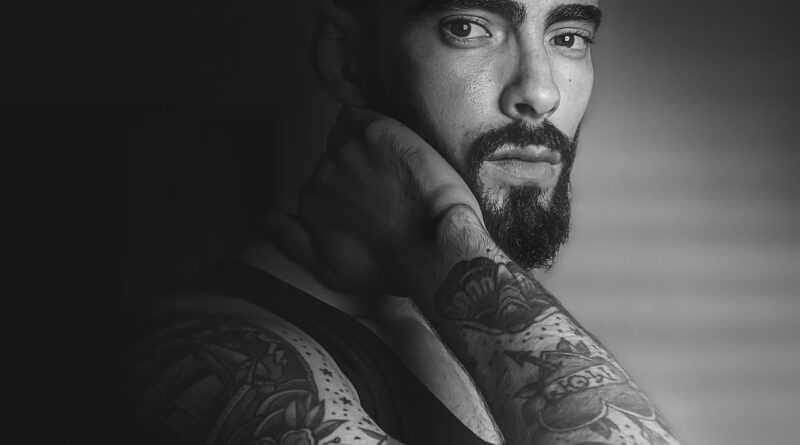
Tattoo placement on men should be decided before the artwork is finalized. The main questions are straightforward: how visible will the tattoo be, how does that body area move, how much discomfort and healing friction is likely, and can the design age well in that spot? Strong artwork can look forced if it is squeezed into the wrong space. A simpler design can look deliberate when it follows the shoulder, chest, forearm, back, calf, or thigh naturally.
For many first tattoos, the outer upper arm, shoulder, upper back, calf, and outer thigh are practical choices. They offer usable space, moderate visibility, and easier clothing coverage. Higher-commitment areas such as hands, fingers, ribs, sternum, neck, and feet need more planning because pain, fading, workplace visibility, and aftercare can be less forgiving.
A practical placement map for men
Men’s tattoo placement is often treated as a style decision, but it is also a design and fit decision. The body is not flat paper. Muscles contract, joints bend, clothing rubs, and some areas receive more sun exposure than others. A placement that suits a small symbol may not support a detailed portrait. A spot that looks clean when standing still may distort when the arm lifts or the torso twists.
The table below is a practical starting point, not a rulebook. Pain tolerance, body type, skin condition, artist technique, and design density can all change the experience.
| Placement | Visibility | Pain and healing considerations | Often works well for |
|---|---|---|---|
| Outer upper arm | Easy to cover with sleeves | Often more manageable because the area has muscle padding | First tattoos, symbols, portraits, half-sleeve starts |
| Forearm | Clearly visible in short sleeves | Moderate for many people, but inner forearm can feel more sensitive | Lettering, geometric work, illustrative pieces |
| Shoulder and deltoid | Usually covered in work settings | Generally practical for healing, though shoulder movement matters | Round designs, tribal-inspired flow, armor-like pieces |
| Chest | Private unless shirtless or in open clothing | Can become intense near sternum, collarbone, and nipple area | Large symmetrical designs, script, animals, religious imagery |
| Back | Highly private | Large surface allows detail, but long sessions require stamina | Full compositions, Japanese-inspired work, realism, wings |
| Ribs | Private | Commonly considered one of the more painful areas because of thin coverage over bone | Vertical script, minimal linework, narrow compositions |
| Calf | Visible in shorts | Often manageable, but swelling and walking should be considered | Medium designs, animals, biomechanical work, bold linework |
| Hands and fingers | Very visible | High movement, frequent washing, and faster wear make planning important | Small symbols, extensions of sleeves, high-commitment visible work |
| Neck | Very visible | High social and professional visibility; skin sensitivity varies by area | Small statements, throat pieces, extensions from chest or back |
If you are still comparing locations, it helps to review broader tattoo placement guides and then narrow the decision with an artist who can map the design on your actual body.
How body shape and movement change placement
A tattoo that fits well usually follows the body’s natural structure. On men, popular placements often emphasize shoulder width, arm length, or vertical balance through the torso and legs. This does not mean every tattoo has to look traditionally masculine. It means the design should work with anatomy instead of fighting it.
Arms and shoulders
The upper arm is one of the most flexible areas for men because it can hold a standalone tattoo or become the start of a sleeve. The outer bicep and shoulder can support circular, shield-like, animal, portrait, or abstract designs. The inner arm has a more private feel, but it may be more sensitive and less visible from the front.
Forearm tattoos are more public. They suit designs that benefit from a long vertical canvas, such as daggers, floral stems, script, geometric patterns, or fine-line illustrations. Because the forearm is seen often by the wearer and others, small placement issues are easy to notice. A design placed too close to the wrist or elbow can look cramped once the arm bends.
Chest and torso
The chest gives a design emotional weight because it sits close to the heart and the body’s centerline. It can work well for symmetrical work, large animals, script, memorial pieces, or designs that may later connect into shoulder or sleeve tattoos. The key decision is whether the tattoo should sit flat across the pectoral area, follow one side of the chest, or bridge the sternum.
Rib tattoos look clean when they are planned as vertical or diagonal compositions. They are also private, which makes them appealing for personal text or symbolic designs. The tradeoff is comfort. Many people find the ribs challenging because there is less padding between skin and bone, and breathing movement can make the session feel more demanding.
Back and legs
The back is the largest uninterrupted canvas on the body. It is suitable for artwork that needs scale, background, and detail. A full-back tattoo can carry a scene, creature, mythological figure, or abstract composition that would feel compressed on the arm. The limitation is visibility: the wearer does not see it without a mirror, and the work often requires multiple sessions.
Leg placements are practical for men who want strong designs without constant visibility. The calf naturally frames oval and vertical designs. The thigh gives more space and privacy, which can help with larger pieces. Knees, shins, ankles, and feet are more demanding because of bone proximity, swelling, movement, and contact with socks or shoes during healing.
Visibility and workplace fit
Visibility is one of the biggest long-term factors in tattoo placement on men. A tattoo can be artistically strong and still be wrong for someone’s job, family setting, or future plans. Social acceptance of tattoos has changed in many places, but visible ink can still affect first impressions in conservative industries, customer-facing roles, formal events, and some uniformed professions.
Think in three visibility zones. Low-visibility placements include the upper arm, shoulder, chest, ribs, back, upper thigh, and hip. Medium-visibility placements include the forearm, calf, and lower leg because they depend on clothing and climate. High-visibility placements include hands, fingers, neck, face, and areas close to the collar line.
A useful test is simple: dress for your most formal workday, then mark where the tattoo would show. If it appears in a suit, uniform, interview outfit, or short-sleeve work shirt, treat it as a visible tattoo. That does not mean you should avoid it, but the choice should be deliberate rather than accidental.
Pain, healing, and skin health considerations
Pain charts can help compare placements, but they should not be treated as exact predictions. The same rib tattoo may feel tolerable to one person and overwhelming to another. Session length, needle grouping, shading, color packing, hydration, sleep, anxiety, and artist pacing all affect the experience.
Lower to moderate areas for many first tattoos
Outer upper arm, shoulder, outer forearm, calf, and outer thigh are common first-tattoo choices because they tend to provide more muscle or tissue padding and less awkward aftercare. These areas also give the artist enough room to adjust size and angle without forcing detail into a small space.
Higher-commitment areas
Ribs, sternum, spine, elbows, knees, ankles, tops of feet, hands, fingers, armpits, and neck are often treated as higher-commitment placements. Some are painful because they sit near bone or dense nerve areas. Others are difficult because they move constantly, rub against clothing, or are exposed to sun and frequent washing. See also: tattoo care.
When to pause and get medical advice
Tattooing breaks the skin barrier, so health and aftercare matter. Mayo Clinic and the U.S. Food and Drug Administration describe possible tattoo risks that include infection, allergic reactions, granulomas, keloids, and rare reactions during MRI exams. The American Academy of Dermatology also advises protecting healed tattoos from ultraviolet light with broad-spectrum, water-resistant sunscreen of SPF 30 or higher, because sun exposure can fade tattoo pigment and affect skin health.
Placement can make those issues easier or harder to manage. A fresh foot tattoo has to deal with shoes and walking. A hand tattoo faces frequent washing and friction. A large back tattoo may be difficult to clean and moisturize without help. If you have a history of keloids, skin disease, immune suppression, allergies to pigments, or slow wound healing, discuss the plan with a qualified medical professional before booking.
Matching placement to tattoo style
The right placement depends heavily on style. Fine-line tattoos need space and clarity because lines can soften over time. Realism needs enough surface area for shading and detail. Traditional and neo-traditional tattoos can often handle body movement better because they use strong outlines and clear color blocks. Geometric tattoos need careful alignment because uneven placement is easy to notice.
- Script and lettering: Forearms, ribs, chest, collarbone, and upper back can work, but the text must be large enough to stay readable.
- Portraits and realism: Upper arm, thigh, chest, and back usually offer better space than wrists, hands, or ankles.
- Geometric and symmetrical work: Chest, sternum, spine, back, and forearm can work if the artist maps the centerline carefully.
- Small symbols: Wrist, ankle, shoulder, inner arm, and behind-the-ear placements are common, but very small tattoos may lose detail as they age.
- Sleeve planning: Start with anchor pieces on the upper arm, forearm, or shoulder, then plan the gaps before adding filler.
Scale is often more important than the placement name. A dragon that looks powerful across the back may look crowded on the forearm. A minimal symbol that feels sharp on the wrist may look lost in the middle of the chest. Before committing, ask the artist to show a stencil at more than one size.
Planning for future tattoos
Many placement regrets happen because the first tattoo was placed without thinking about the second or third. A small design in the center of the upper arm may block a future half sleeve. A standalone forearm piece may leave awkward negative space near the wrist or elbow. A chest tattoo placed too low may not connect cleanly with a shoulder or stomach piece later.
If you may want more tattoos, think in zones instead of single spots. The arm can become a quarter sleeve, half sleeve, or full sleeve. The chest can connect to the shoulder, sternum, ribs, or stomach. The back can remain a private large canvas or connect to the neck and shoulders. The leg can be planned as a calf piece, thigh piece, or full leg sleeve.
Good placement also leaves breathing room. Not every area needs to be filled. Negative space can make tattoos look cleaner and more intentional, especially when multiple styles are involved. If you already have tattoos, bring photos to the consultation so the artist can plan spacing, flow, and visual balance.
A simple decision checklist
Before choosing the final spot, use this checklist to pressure-test the idea:
- Can the design fit the area without shrinking important details?
- Will the tattoo still look balanced when the body moves?
- Do you want the tattoo visible every day, sometimes, or almost never?
- Can you manage the aftercare without constant rubbing from clothes, shoes, or work gear?
- Does the placement leave room for future tattoos?
- Would the same design work better on a larger or flatter area?
- Are you choosing the spot for your lifestyle, not only for a photo?
The most reliable placement choice is usually the one that balances design, body flow, and real life. A tattoo does not need to be in the most visible or painful place to feel meaningful. It needs to belong where it is placed.
Frequently asked questions
What is a good first tattoo placement for men?
The outer upper arm, shoulder, calf, outer forearm, and upper back are practical first placements for many men. They offer enough space for clear artwork, are easier to cover than hands or neck, and usually create fewer aftercare problems than feet, fingers, ribs, or joints.
Where should men place a tattoo if they need to cover it for work?
Upper arm, shoulder, chest, ribs, back, and upper thigh are usually easier to hide under standard clothing. Forearm and calf tattoos depend on sleeves, shorts, uniforms, and workplace rules. Hands, fingers, neck, and face should be treated as permanently visible placements.
Are rib tattoos a good placement for men?
Rib tattoos can look clean and personal, especially for vertical designs, script, and narrow compositions. They are also private. The main tradeoff is comfort, because the rib area is commonly considered more painful and moves with breathing during the session.
What tattoo placements age better?
Placements that avoid constant friction, heavy sun exposure, and frequent stretching often age more predictably. Upper arm, shoulder, back, chest, thigh, and calf placements can be easier to maintain than fingers, palms, feet, and some joint areas. Long-term results still depend on ink quality, artist skill, aftercare, sun protection, and skin changes over time.
Should the design or the placement come first?
They should be planned together. A rough idea can come first, but the final design should be shaped around the body area. The same concept may need a different size, angle, line weight, or level of detail depending on whether it goes on the forearm, chest, back, calf, or hand.