Are Cursive Tattoo Styles the Best Choice for Meaningful Script Ink?
What Makes Cursive Tattoo Styles So Personal?
Cursive tattoo styles work well because they turn a word, name, date, or short line into something that feels handwritten. If you are checking ideas across different tattoo styles, cursive has one clear benefit: it can look personal and meaningful without taking up much skin. Pew Research Center reported in August 2023 that 32% of U.S. adults have a tattoo, and 69% of tattooed adults said honoring or remembering someone or something was a major or minor reason for getting tattooed. That reason fits script tattoos in a very direct way. (pewresearch.org)
Before you pick a font from a phone screen, think about how the letters will sit on real skin. Skin bends, stretches, tans, scars, and gets older. A word that looks neat on paper can look tight on a wrist or too light on a rib. Cursive needs more planning than many lettering styles, because small changes in spacing can affect the whole word.
Personal Names and Short Words
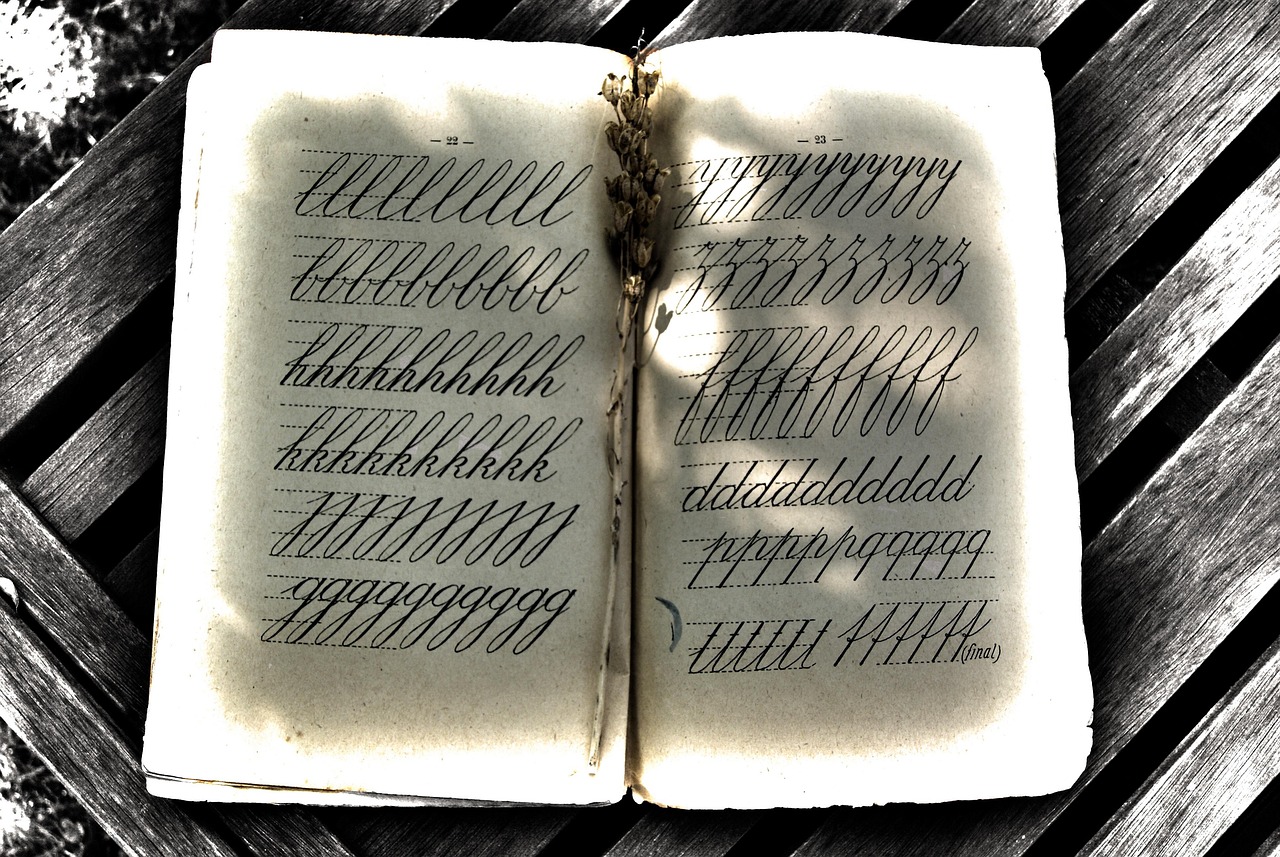
Names, initials, birth years, vows, and one-word tattoos are common reasons people choose cursive. Short text usually works better because each letter has enough room. A five-letter name may sit well on the inner forearm, while a full sentence often needs more space on the ribs, shoulder blade, or upper arm. If the area is too small, the letters can start to fight each other.
Script Flow with Built-In Emotion
Cursive has natural movement. The letters join, drop, rise, and taper, so the tattoo can feel like a note from someone close. That is why cursive often works for memorial tattoos, family names, wedding dates, and private reminders. Even a simple word like “home” can feel more personal in script than in heavy block lettering.
A Softer Look Than Block Lettering
Block lettering is strong and easy to read from a distance. Cursive usually feels softer and more personal. If you want your tattoo to stand out across a room, block or gothic lettering may be the better fit. If you want something that feels close and private, cursive is often the safer choice.
Which Cursive Tattoo Styles Fit Your Story?
There is no solid public dataset that ranks cursive tattoo styles by popularity, and broad surveys usually look at tattoos as a whole, not lettering subtypes. So the better question is not “what is most popular?” It is “what looks right on your body and will still read clearly later?” A good script choice depends on mood, size, skin area, and line weight.
Fine-Line Cursive for Minimal Ink
Fine-line cursive is simple, light, and low-key. It works for small words near the wrist, collarbone, ankle, or behind the ear. The issue is also simple: very small thin letters do not leave much room for aging. If the loops are too tight, the word can blur over time, so ask your artist to reduce extra curls instead of shrinking every detail.
Bold Cursive for Stronger Visibility
Bold cursive uses thicker strokes and more open gaps. It can work for names, short quotes, and script that should stay readable at a normal distance. This style often fits forearms, shoulders, calves, and upper backs. It may look less delicate than fine-line work, but it usually gives the tattoo a better chance of holding its shape.
Vintage Script for Classic Charm
Vintage script has wide capital letters, stronger contrast, and an old-letter look. It can fit family names, faith words, and traditional tattoo layouts. Use it carefully on small placements. Large capitals can take space from the rest of the word, and too many curls can make a simple tattoo look crowded.
Where Should You Place a Cursive Tattoo?
Placement changes the whole result. The same word can look tender on the collarbone, more direct on the forearm, and private on the ribs. Cursive also reacts to body movement. A line that crosses a crease may bend in a strange way, while a line that follows the body curve usually looks cleaner.
Wrist and Forearm Placement
The wrist and forearm are common choices because you can see the tattoo often. They also make spelling easier to check before the needle starts, and that basic step matters. Inner forearm script gives more flat space than the side of the wrist. If you work in a formal office, test the view with a watch, sleeve, or bracelet before you book.
Collarbone and Rib Placement
Collarbone cursive can look clean because the text can follow the bone line. Rib placement gives more length for phrases, but it can feel more sensitive during the session. Keep the phrase short enough so the artist does not have to squeeze the letters. On ribs, a little extra spacing usually helps the tattoo read better.
Ankle and Behind-the-Ear Placement
Ankles and behind-the-ear spots fit tiny words, initials, and dates. These placements are discreet, but they do not give much room for detail. Long quotes are not a good match here. If the tattoo will be read in a mirror or from an odd angle, check the direction before the stencil goes on.
How Do You Keep Cursive Tattoos Readable Over Time?
Readable cursive is not only about choosing a nice font. It is about giving the ink enough space to heal and settle. Skin is not paper, and tattoo lines can spread a little as they heal and age. The main point is to keep the word clear after the fresh sharpness softens.
Clear Spacing Between Letters
Spacing matters more than decoration. Tight loops in letters like e, l, o, and a can close up if the design is too small. Ask for a stencil that you can read at normal arm’s length. If you need to squint on stencil day, the tattoo is probably too cramped.
Smart Size and Stroke Weight
A tiny phrase with hair-thin lines may look nice in a photo, especially under strong studio lights. Day-to-day wear is less forgiving. For small cursive, use fewer words. For longer text, choose a larger placement, because a two-inch name can age better than a two-inch quote when each letter gets more space.
Artist Skill with Lettering
Not every good tattoo artist is strong at lettering. Script needs steady line control, smooth curves, and clean spacing. Look at healed lettering photos, not only fresh ones. Fresh tattoos usually look sharp, but healed photos show whether the artist’s cursive stays clean after the skin settles. See also: tattoo care.
What Should You Check Before Your Appointment?
A cursive tattoo may be small, but it is still a permanent skin procedure. Safety and accuracy should come before style. The U.S. FDA notes that tattoo inks are injected into the dermal layer of the skin and lists possible risks such as infections, allergic reactions, granulomas, keloids, sunburn-related issues, swelling, burning, and removal problems. (fda.gov)
Clean Studio and Sterile Supplies
Choose a licensed studio with single-use needles, fresh gloves, clean work surfaces, and sealed supplies. Do not feel awkward asking about hygiene, because a professional artist expects these questions. CDC reporting on tattoo-associated nontuberculous mycobacterial infections during 2011 and 2012 found 22 investigated cases across four states and pointed to contaminated ink or nonsterile water as a risk, with sterile ink, sterile water, and hygienic practice recommended. (cdc.gov)
Skin Health and Ink Safety
Do not tattoo over irritated skin, sunburn, open cuts, or a mole that should stay visible. If you are prone to keloids or strong allergic reactions, speak with a qualified medical professional before booking. If blood donation matters to you, note that the American Red Cross stated on July 17, 2026 that some U.S. locations require a three-month wait after tattoos from unregulated businesses or certain states, while regulated facilities using fresh ink and sterile needles may not require a delay. (redcross.org)
Proofreading Before the Stencil
Proofreading sounds basic, but script tattoos can hide mistakes because the letters connect. Check spelling, capitalization, accents, dates, and direction. If the phrase is in another language, ask a native speaker instead of relying only on an app. A wrong word in neat cursive is still a wrong word.
How Should You Care for a New Cursive Tattoo?
Aftercare affects how clean your lettering looks once it heals. Thin cursive lines can scab, blur, or fade if they are picked, soaked, scratched, or exposed to strong sun too soon. Follow your artist’s instructions first, because product advice can change by wrap type, ink, and skin. Still, it helps to understand a few basic care habits before the appointment.
Gentle Cleaning in the First Days
Keep the fresh tattoo clean, but do not scrub it. Wash your hands first, use mild soap if your artist recommends it, and pat the area dry with a clean towel. Avoid swimming pools, hot tubs, lakes, and long baths while it heals. Cursive depends on clean edges, so picking at flakes can hurt the final look.
Sun Protection After Healing
Sun can fade tattoos, and fine script gives you less pigment to lose. The American Academy of Dermatology advises using water-based lotion for dry tattooed skin, staying away from tanning beds and sunlamps, and seeing a board-certified dermatologist if tattooed skin changes or reacts; it also notes that tattoos can make early signs of skin cancer harder to see. (aad.org)
When to Ask a Professional
Some redness and tenderness can be normal in the first stage of healing. Worsening pain, spreading heat, pus, fever, or a rash needs professional attention. Do not try to “fix” a reaction with random creams. After the tattoo is fully healed, you can speak with your artist about a small touch-up if one letter healed lighter than expected.
FAQ
Q1: Are cursive tattoo styles good for first tattoos? A: Yes, they can be a good first choice if the design is short, readable, and placed on a suitable area. Start with one word, a name, or a date instead of a long quote.
Q2: What cursive tattoo style ages best? A: Clean cursive with enough spacing and moderate line weight usually ages better than tiny, ultra-thin script with tight loops.
Q3: Should a cursive tattoo face me or other people? A: Personal tattoos often face you, while display-focused tattoos often face outward. Test both directions with a stencil and choose the one that feels right on your body.
Q4: Can you mix cursive with symbols? A: Yes. Small flowers, hearts, stars, crosses, or birth symbols can work well, but keep them simple so they do not crowd the lettering.
Q5: How many words are best for a cursive tattoo? A: One to five words is usually safer for small placements. Longer phrases need more space, clearer letters, and a skilled lettering artist.