
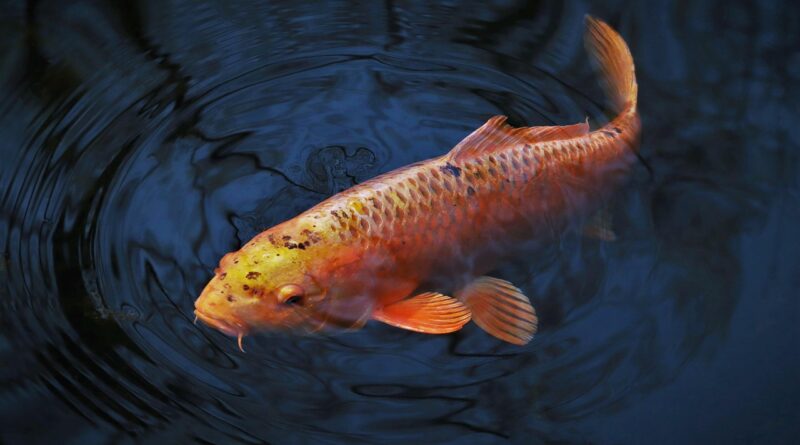
What Does a Koi Carp Tattoo Mean and Is It Right for You?
What Does a Koi Carp Tattoo Mean?
If you are looking at Japanese inspired body art, koi carp tattoo meaning usually comes down to strength, courage, endurance, love, and the will to keep moving. It is one of the better known symbols in tattoo meanings because people can understand the fish shape quickly, while the reason behind it can still be personal. A koi is not only a bright fish in water. In East Asian art, the carp often stands for effort, movement, and change.
This matters more than some people think. Pew Research Center reported on August 15, 2023 that 32% of U.S. adults have at least one tattoo, based on a survey of 8,480 adults from July 10 to July 16, 2023. The same report found that 69% of tattooed adults said they got tattooed to remember or honor someone or something. That gives useful context: meaning is not a small detail. For many clients, it is the reason the design is worth keeping on the skin.

Strength, Courage, and Endurance
The most common koi carp tattoo meaning is getting through hard times without quitting. The Virginia Museum of Fine Arts tattoo guide describes koi as a symbol of life advancement, success, strength, courage, and endurance. That is why the fish is often drawn in motion, pushing through water, turning inside waves, or moving toward a waterfall. The design works best when the body of the fish looks like it is actually fighting the current.
Ambition and Life Advancement
A koi can also mark a goal you are working toward. It can suit someone rebuilding a career, leaving a rough period, training for a demanding job, or starting again after a loss. The image does not say progress is easy. Some days, progress is just a fish pushing against the current one small move at a time.
Love, Marriage, and Loyalty
The same VMFA guide notes that two koi together can symbolize a happy marriage, and that the Japanese word koi sounds like another word linked to love. Because of that, paired koi designs are often chosen by couples, parents, siblings, and close family members. They do not need to look soft or sweet. Two koi moving through rough water can feel loyal, steady, and serious.
Which Koi Tattoo Color Means What?
Color changes the feeling of a koi tattoo. It is worth saying this plainly: there is no reliable public database proving which koi tattoo colors are requested most often across tattoo studios. Claims such as black being the top choice or blue trending worldwide are usually studio opinions unless the artist shares booking data. Even so, color symbolism comes up often in tattoo culture, Japanese art discussions, and current design work.
Black Koi for Hard Won Strength
A black koi often points to survival, self control, and a serious past. It is a good choice when you want the tattoo to feel grown, not showy. On skin, black can also age well when the artist uses strong linework and clear contrast. If your story is about getting through something heavy, black can carry that meaning without making the piece feel loud.
Red Koi for Love and Brave Energy
Red koi designs usually feel emotional and direct. They can speak to love, family, bravery, and strong drive. In a real tattoo studio, red also needs a practical talk before the needle starts. Some people react badly to certain pigments, and red can be sensitive on some skin types. A short patch discussion with a licensed artist is not just paperwork. It can save you from weeks of irritation later.
Blue Koi for Calm Focus
Blue koi designs tend to read as calm, steady, and thoughtful. They work well with water, moon shapes, and cool gray shading. If red feels too loud and black feels too heavy, blue can sit in the middle. It still has a strong look, but the mood is quieter, like someone who learned patience the hard way.
Does Direction Change the Meaning?
Direction is one of the first decisions in a koi design. A fish swimming up, down, or around the body can change the story. Museums also show how older art gave carp a clear sense of motion. The Metropolitan Museum of Art has a 19th century Japanese hanging scroll titled A Carp Ascending a Waterfall by Shibata Zeshin, and that type of image helps explain why tattoo artists still draw koi with strong movement today.
Upstream for a Fight Still in Progress
An upstream koi usually means the fight is still going on. Maybe the goal is not finished yet. Maybe healing is still uneven and difficult. The classic Dragon Gate legend says a carp that makes it up the rapids becomes a dragon. The Met’s record for a late 19th century Dragon and Carp painting describes carp as symbols of persistence and strength of character, often tied to that transformation story.
Downstream for a Trial Already Faced
A downstream koi often marks a challenge that has already been faced. It can suggest peace after struggle, moving on after loss, or going forward with less resistance. This direction does not mean weakness. In many designs, it feels more settled. You fought, you learned, and now the water is finally moving with you.
Circular Motion for Balance and Life Cycles
Two koi circling each other can suggest harmony, partnership, family rhythm, or yin and yang style balance. On the shoulder, chest, or thigh, that round movement can fit the body well. It also avoids the simple choice of up or down. Life is rarely one straight river anyway, and that is a useful point when you are planning a permanent piece.
What Symbols Work Best With Koi Carp?
A koi does not always need to sit alone. Waves, flowers, dragons, rocks, and clouds can change the meaning and help the tattoo cover a larger area. The hard part is not putting every symbol into one drawing. Too many meanings can make the piece messy. A good koi tattoo usually has one main idea and two or three supporting elements.
Water and Waves for Motion
Water gives the koi its setting and story. Smooth water can make the tattoo feel calm, while sharp waves can make it feel like a struggle. In Japanese inspired tattooing, water also helps the design move around muscle and bone. A forearm koi with waves should not look pasted on; it should follow the arm’s natural curve.
Lotus and Peony for Growth
Lotus flowers often point to growth through difficult conditions, while peonies can suggest beauty, rank, and bold confidence in many Japanese style tattoos. Flowers can soften the fish without taking away its strength. This mix works well when the design needs both power and grace. It is especially useful for upper arm, shoulder, or back pieces.
Dragon Imagery for Major Change
A dragon next to a koi makes the transformation theme much stronger. It can mark a major life shift, not just daily effort. The Met’s Dragon and Carp record connects dragons with power and good fortune, while carp represent persistence and strength of character. Put simply, the koi is the climb, and the dragon is what that climb may become. See also: tattoo care.
Where Should You Place a Koi Carp Tattoo?
Placement affects meaning because it affects how the fish moves on the body. A small koi on the wrist can look clean, but it may lose details like scales, whiskers, water, and flower texture. A larger koi gives the artist more space for flow. Before choosing a spot, think about clothing, work rules, pain level, and how often you want to see the tattoo yourself.
Forearm Designs for Daily Visibility
The forearm is a practical spot for a koi because the shape can run from wrist to elbow. You see it often, and other people see it too. That makes it a good place for a message you want to remember every day. Keep the design clean, because too many tiny scales can blur over time, especially on a narrow forearm.
Shoulder and Upper Arm for Strong Flow
The shoulder gives a koi tattoo room to turn. The fish can curve with the deltoid, and waves can wrap toward the chest or upper back. This spot also works well if you may add more later. A half sleeve with water, lotus, peony, or dragon detail usually needs that kind of space.
Back and Thigh Pieces for Large Detail
The back and thigh allow a larger scene. If you want a waterfall, two koi, heavy waves, and flowers, these areas give the design room to breathe. They also let the artist build depth with shading. Bigger does not always mean better, but with koi tattoos, space usually helps the image age in a cleaner way.
- Choose a small koi for a clean symbol, not a crowded story.
- Choose a medium koi for visible movement and color.
- Choose a large koi if you want waves, flowers, and a full scene.
How Can You Choose a Koi Design With Respect?
Koi tattoos have deep roots in Japanese and wider East Asian visual culture, so it is worth planning with care. You do not need to be Japanese to wear a koi tattoo, but you should understand what the symbol means and avoid treating it like random decoration. A bit of reading, a capable artist, and a clear reason will make the tattoo feel more honest. It also gives the artist better direction before the stencil is made.
Research the Cultural Story
The Museum of Fine Arts, Boston explains that koinobori, or carp streamers, are used for Children’s Day in Japan on May 5, and that koi symbolize strength, courage, and determination. That museum context is useful because it shows the koi is not only a tattoo image. It also appears in family celebration, seasonal tradition, and art. Knowing that background helps you avoid choosing the design only because it looks good on a screen.
Pick a Skilled Artist
A koi looks simple until it is drawn badly. The body should have movement, the head should face with intent, and the scales need rhythm. Ask to see healed work, not only fresh photos. Fresh tattoos are glossy and dramatic, but healed tattoos show how the artist’s lines, shading, and color really hold. For Japanese inspired work, look for an artist who can handle waves, clouds, and negative space without making the piece feel cramped.
Plan Safe Ink and Aftercare
Meaning will not help much if the tattoo heals poorly. The U.S. Food and Drug Administration issued final guidance in October 2024 on insanitary conditions in tattoo ink manufacturing, noting that firms conducted 18 voluntary recalls of contaminated tattoo inks from 2003 to 2024. The practical takeaway is simple: choose a licensed studio, ask about sterile needles and ink handling, and follow aftercare even when the tattoo starts itching. If something looks wrong during healing, do not wait too long to ask for medical advice.
- Do not scratch flaking skin.
- Keep the tattoo clean and lightly moisturized as your artist advises.
- Avoid swimming while the tattoo is healing.
- Call a medical professional if redness, swelling, heat, or discharge gets worse.
FAQ
Q1: What Does a Koi Carp Tattoo Mean? A: It usually means strength, courage, endurance, ambition, love, and personal transformation. The exact meaning depends on color, direction, number of fish, and the symbols added around it.
Q2: Is a Koi Tattoo Only for Men? A: No. Some older sources connect koi with masculine strength, especially through boys’ festivals and carp streamers, but modern koi tattoos are worn by all genders. The design should match your story, not a gender rule.
Q3: Should a Koi Swim Up or Down? A: Upstream often means you are still fighting or chasing a goal. Downstream can mean you have passed the hard part and found peace. Both meanings are valid if the design fits your life.
Q4: What Color Koi Tattoo Is Best? A: Black works well for resilience, red for love and brave energy, and blue for calm focus. There is no reliable public data proving one color is best for everyone, so choose the color that fits your meaning and skin tone.
Q5: Can You Add a Dragon to a Koi Tattoo? A: Yes. A dragon makes the transformation theme stronger because it connects to the old carp legend. It works best in a larger piece where the artist has enough room for both figures to move naturally.