What Makes Arm Placement Tattoo Design Essential in 23 Cool Arm Tattoo Ideas
23 Cool Arm Tattoo Ideas
Arm placement tattoo design is more than just an artistic choice; it’s a calculated decision that defines how a tattoo interacts with the body’s structure, movement, and long-term appearance. Expert artists treat the arm as a dynamic canvas where anatomy, light, and motion converge. The best designs enhance natural form while preserving clarity over time. This article explores how placement affects aesthetics, longevity, and storytelling across various arm sections—from upper arm to inner forearm—while offering advanced insights into cohesive full-arm compositions.
The Importance of Arm Placement in Tattoo Design?
Tattoo artists evaluate each client’s arm as a three-dimensional surface rather than a flat drawing board. Proper placement determines whether a design flows naturally or feels disjointed when the arm bends or flexes.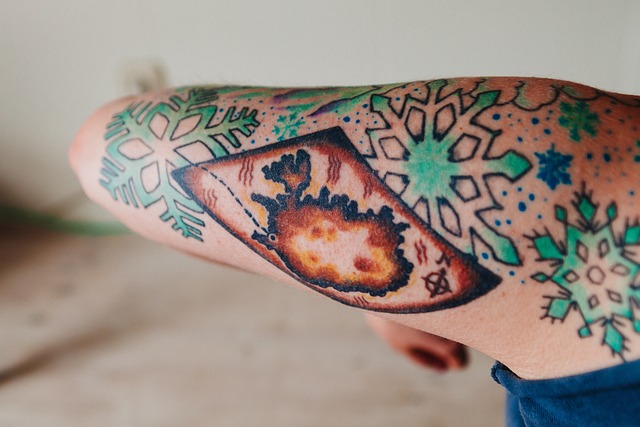
The Relationship Between Arm Anatomy and Tattoo Aesthetics
The curvature of the biceps and triceps influences how lines wrap around the limb. When ink follows muscle contours, designs appear alive even at rest. Artists often align central motifs with anatomical landmarks like the deltoid or forearm ridge to maintain balance. A circular mandala placed too close to the elbow crease may distort when extended, while positioning it slightly above preserves symmetry.
How Placement Impacts Tattoo Longevity and Clarity
Skin density varies between upper and lower arm regions. Thicker skin on the outer bicep retains pigment longer than thinner inner areas exposed to friction or sweat. Sunlight also plays a major role—forearms fade faster due to daily exposure. By placing intricate linework on less mobile zones, artists minimize distortion from repetitive movement or aging skin elasticity changes.
Exploring the Types of Arm Placements for Tattoos
Each section of the arm offers unique visual potential. Placement choices depend on visibility preferences, pain tolerance, and desired design scale.
Upper Arm Tattoos and Their Visual Impact
The upper arm provides a broad canvas ideal for large-scale tattoos such as portraits or traditional motifs. Its rounded shape supports bold shading transitions without excessive distortion. Many clients favor this area for its flexibility—it can be shown off easily in summer yet hidden under formal sleeves when needed.
Forearm Tattoos and Their Symbolic Expression
Forearm tattoos are among the most visible placements, often chosen for their expressive potential. Linear compositions like arrows or script flow naturally along the bone line, emphasizing direction and intent. Wrap-around pieces—snakes, vines, or geometric bands—utilize continuous motion to create unity between front and back views.
Inner Arm Tattoos: Subtlety and Personal Meaning
The inner arm appeals to those seeking private symbolism. Because this skin is sensitive and less exposed, fine-line text or minimalist icons suit it best. It’s an area often reserved for personal reminders rather than public display—phrases close to one’s heart both literally and metaphorically.
Integrating Design Concepts with Arm Placement Choices
Effective tattoo design merges art theory with physical realism. Flow, symmetry, and spatial planning all depend on anatomical awareness.
Aligning Tattoo Flow with Muscle Structure
Designs that follow muscle lines appear more organic than those placed arbitrarily across them. For instance, a dragon wrapping from shoulder to wrist mimics natural extension when the arm moves forward. Strategic shading deepens this illusion of motion by enhancing volume perception along curved surfaces.
Balancing Symmetry Between Both Arms
When designing paired tattoos—say twin koi fish on each forearm—symmetry demands careful spacing so both sides feel balanced even when arms move independently. Some clients prefer asymmetrical layouts instead; one side might feature abstract geometry while the other carries narrative imagery, creating contrast that reflects duality or personal evolution.
Technical Considerations in Arm Placement Tattoo Design
Beyond artistry lies science: ink behavior changes depending on skin texture, stretch patterns, and external conditions like light exposure.
Skin Texture, Stretch, and Ink Absorption Factors
Outer arms typically absorb ink evenly due to stable dermal thickness. Inner arms stretch more during movement; thus needle depth must adjust slightly to prevent blowouts or fading edges. Experienced artists study these micro-variations before outlining complex designs such as mandalas or biomechanical patterns.
Lighting and Movement in Displaying Arm Tattoos
Natural lighting shifts how colors appear across curved surfaces. Blue tones may darken under shadowed triceps but brighten under direct sunlight on forearms. Since arms rarely stay still, composition planning includes both static posture (tattoo at rest) and active motion (tattoo during gestures). This foresight maintains visual integrity through everyday activity.
Advanced Artistic Strategies for 23 Cool Arm Tattoo Ideas
Modern tattooing embraces hybrid styles that merge realism with abstraction across continuous canvases like sleeves.
Combining Styles Across the Arm Canvas
Realism with Abstract Elements
Combining lifelike portraits with abstract brushstrokes creates layered meaning—a lion head emerging from chaotic paint textures conveys strength within disorder.
Geometric Patterns with Organic Motifs
Pairing precise geometry against natural imagery such as flowers or waves balances order with spontaneity. A hexagonal framework behind roses can highlight contrast between human-made structure and organic growth.
Blackwork Integrated with Color Highlights
Selective color infusion within blackwork draws attention without overwhelming composition—for example, crimson eyes inside a monochrome skull instantly become focal points.
Creating Narrative Flow Through Sequential Designs
Sleeve Concepts That Tell a Story
Full sleeves often depict evolving narratives: mythological journeys climbing from wrist to shoulder or personal milestones marked chronologically through symbolic imagery.
Connecting Upper to Lower Arm Motifs
Transitional elements like smoke trails or flowing water visually link separated pieces into one cohesive story arc. These connectors soften boundaries between distinct scenes while maintaining rhythm along the limb’s length.
Evaluating Aesthetic Cohesion in Full Arm Designs
Cohesion distinguishes professional sleeves from random collections of images. It relies on deliberate use of space, tone, and color relationships.
The Role of Negative Space in Composition Balance
Leaving intentional gaps prevents overcrowding—a common mistake among first-time collectors eager to fill every inch. Negative space acts as breathing room that enhances contrast between detailed sections.
Color Harmony and Tonal Consistency Across Sections
Consistent palettes unify multi-part tattoos even if themes differ slightly between segments. Gradual tonal gradients—from dark shoulder shadows to lighter wrist highlights—maintain visual continuity along curved anatomy where lighting naturally shifts intensity.
Professional Insights on Customizing Arm Placement Tattoos
Collaboration remains central to successful outcomes; every body presents unique proportions requiring tailored adaptation of concept art.
Collaborative Design Process Between Artist and Client
Initial consultations clarify client intent while allowing technical evaluation of feasible placements relative to muscle form or scar tissue presence. Digital previews help visualize final outcomes before committing needle to skin—a critical step for complex sleeve projects spanning months of sessions.
Ethical Considerations in Long-Term Aesthetic Planning
Responsible professionals discuss long-term factors such as sun exposure habits or future weight changes that could distort artwork over decades. Advising clients honestly protects both artistic reputation and physical integrity of results over time.
FAQ
Q1: What is the best area for an arm placement tattoo?
A: The upper arm offers durability and flexibility for both large designs and concealment options, making it ideal for most people seeking longevity without constant exposure.
Q2: Do forearm tattoos fade faster?
A: Yes, due to frequent sunlight exposure and friction from clothing contact; protective aftercare like sunscreen helps preserve pigment vibrancy longer.
Q3: Are inner arm tattoos more painful?
A: Generally yes—the thinner skin near nerves increases sensitivity compared with outer regions such as biceps or triceps surfaces.
Q4: How do artists maintain symmetry between both arms?
A: They measure anatomical reference points precisely during stencil placement to match height alignment even when arms move independently during application sessions.
Q5: Can different styles mix within one sleeve?
A: Absolutely; combining realism with geometric or abstract elements adds depth if unified through consistent palette choices and planned transitions between sections.