What Are the Most Timeless Tattoo Placement Ideas for Minimalist Designs
7 Perfect Minimalist Tattoo Placement Ideas for First-Timers
Minimalist tattoos have become a refined expression of individuality, merging simplicity with profound meaning. For first-timers, placement is as vital as design. The best tattoo placement ideas are those that balance visibility, comfort, and personal symbolism. Areas like the wrist, collarbone, or behind the ear allow subtle artistry to shine without overwhelming the body’s natural form. This guide examines seven ideal placements for minimalist tattoos, highlighting both aesthetic and technical insights that seasoned artists consider essential.
The Philosophy Behind Minimalist Design
Minimalist tattoos emphasize simplicity, precision, and clean lines. They rely on visual restraint rather than complexity, allowing negative space to play an active role in composition. This approach stems from design philosophies that value clarity over ornamentation—each line has purpose. Artists often describe these tattoos as timeless because they resist fleeting trends and instead focus on enduring visual balance. In practice, minimalist designs often feature fine lines, geometric shapes, or single-word scripts that convey emotion through subtlety rather than scale.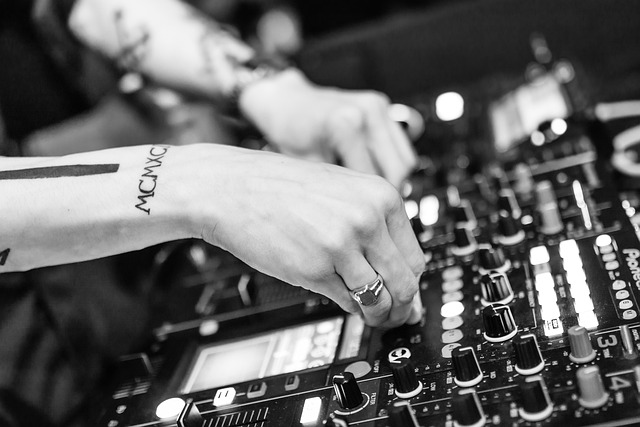
Why Placement Matters for Minimalist Tattoos
Choosing where to place a minimalist tattoo involves more than aesthetics; it’s about harmony between form and function. Placement influences how a tattoo interacts with movement, light exposure, and personal visibility. A well-placed minimalist tattoo enhances the body’s natural lines while maintaining discretion when needed. Skin texture also affects ink retention—areas with thinner skin or frequent friction may fade faster. Experienced tattooists evaluate these factors to achieve both longevity and elegance in execution.
Wrist Tattoos: Subtle Yet Expressive Placement
The wrist remains one of the most favored spots among first-time clients seeking delicate designs. Its compact surface allows fine-line work to appear crisp while remaining easy to conceal under clothing or accessories.
The Aesthetic Value of Wrist Placement
The wrist offers a visible yet elegant canvas for small designs that align naturally with its contours. Linear motifs such as arrows or wave lines complement its shape, while circular forms like suns or moons create gentle symmetry. Because the skin here is smooth and relatively flat, intricate detailing can be executed cleanly without distortion.
Technical Considerations for Wrist Tattoos
Tattooing this area requires precision due to its thin dermal layer. Artists must adjust needle depth carefully to prevent blowouts—where ink spreads beneath the skin surface. Additionally, because wrists are exposed to sunlight frequently, UV protection becomes essential to preserve pigment clarity over time.
Collarbone Tattoos: Graceful and Balanced Composition
The collarbone provides a striking yet graceful location that naturally complements minimalist artwork. Its linear structure supports compositions that flow seamlessly across both shoulders or remain contained within one side.
Visual Harmony in Collarbone Placement
This area works beautifully for geometric elements or delicate botanical outlines that accentuate posture without overpowering it. When designed thoughtfully, collarbone tattoos enhance body symmetry and draw attention subtly during movement or when wearing open-neck clothing.
Practical Aspects of Tattooing Near the Collarbone
Due to proximity to bone and thinner tissue layers, this region tends to be more sensitive during application. Artists often recommend shorter sessions or breaks for client comfort. Aftercare is crucial here—keeping moisture balance prevents scabbing and uneven healing along curved surfaces.
Behind-the-Ear Tattoos: Discreet and Personal Expression
For those preferring privacy with a hint of intrigue, behind-the-ear placements offer intimate storytelling through micro-tattoo artistry.
Artistic Potential of Hidden Placements
This compact area suits symbols tied to personal milestones—like initials or minimalist icons representing transformation or resilience. The curvature around the ear enhances organic flow in line work while maintaining subtlety visible only upon close view.
Professional Insights on Execution and Healing
Tattooing behind the ear demands steady technique since skin tension varies across curves. Despite being close to cartilage, healing typically progresses quickly if hygiene is maintained diligently—avoiding hair product buildup during recovery helps prevent irritation.
Ankle Tattoos: Elegant Simplicity in Motion
Ankle tattoos combine visual grace with dynamic movement appeal. They move fluidly with each step yet remain understated enough for everyday wear.
Design Suitability for the Ankle Area
The ankle’s slender structure complements fine-line art such as minimalist florals or continuous loops encircling the joint. Designs positioned slightly above the bone maintain better definition over time compared with those placed directly on high-friction zones.
Durability and Comfort Factors to Consider
Because footwear contact can cause premature fading or irritation, selecting placement away from shoe edges improves durability. Artists also account for swelling tendencies post-session by spacing elements proportionally around muscle flex points.
Finger Tattoos: Symbolism in Small Spaces
Finger tattoos have surged in popularity among minimalists who appreciate concise symbolism within limited space constraints.
Creative Constraints of Finger Tattooing
Given their size limitations, fingers invite creative restraint—tiny dots symbolizing journeys completed or initials marking significant bonds serve as classic examples. Clean line execution becomes critical since even minor irregularities show prominently on such visible areas.
Maintenance Challenges in High-Movement Areas
Hands experience constant washing and friction which accelerates fading faster than most other locations. Regular touch-ups every few years help maintain crispness especially for ultra-fine lettering styles common in minimalist aesthetics.
Ribcage Tattoos: Intimate Canvas for Minimalist Artistry
Ribcage placements appeal to individuals valuing privacy paired with expressive potential—a hidden gallery beneath clothing layers.
Conceptual Strength of Ribcage Designs
Curved anatomy allows script phrases or abstract waves to follow natural breathing motion elegantly. Many choose this site for deeply personal messages unseen by others but felt profoundly by themselves—a quiet statement rather than public display.
Technical Execution on Sensitive Skin
Pain sensitivity ranks higher here due to minimal cushioning between bone and skin layers. Controlled breathing assists steady application while minimizing discomfort; experienced artists synchronize strokes with exhalation rhythms for smoother results.
Forearm Tattoos: Balance Between Visibility and Professionalism
Among all tattoo placement ideas suited for beginners, forearms strike a balance between expressiveness and workplace adaptability—a visible yet versatile choice appreciated by professionals across industries.
Aesthetic Versatility of Forearm Placement
Forearms provide ample room for linear compositions like constellations or abstract sequences without losing minimalism’s purity. Their flat surface ensures consistent ink flow enabling sharp edges ideal for fine-line geometry enthusiasts seeking precision-driven visuals.
Practical Advantages for Artists and Clients
From a technical standpoint this area offers ease of access during sessions resulting in uniform pressure control throughout strokes. Pain levels remain moderate making it approachable even for those new to tattooing while still delivering striking aesthetic payoff suitable across formal settings.
FAQ
Q1: What makes minimalist tattoos ideal for first-timers?
A: Their smaller scale reduces session length and discomfort while allowing exploration of symbolic meaning before committing to larger projects later on.
Q2: Which placement heals fastest among these options?
A: Behind-the-ear tattoos typically heal quicker due to limited friction exposure though cleanliness remains key during recovery stages.
Q3: Are wrist tattoos more prone to fading?
A: Yes, because wrists receive high sunlight exposure leading pigments—especially lighter tones—to fade sooner without proper sunscreen use.
Q4: How painful are ribcage tattoos compared with forearm ones?
A: Ribcage sessions generally feel sharper since bone proximity amplifies sensation whereas forearms provide thicker tissue cushioning reducing intensity noticeably.
Q5: Can minimalist finger tattoos last long-term?
A: With consistent care including periodic touch-ups they can retain clarity though natural wear from daily hand use inevitably softens lines over years.