What Is the Meaning of Tattoo Symbols and How Do You Choose the Right One?
Why Does the Meaning of Tattoo Symbols Matter?
If you are looking up the meaning of tattoo symbols, you are probably doing more than choosing an image that looks good. You are picking something that may stay on your skin for many years. Checking tattoo meanings before you book a session can help you avoid a rushed design, a mixed message, or a symbol that does not say what you meant.
Tattoos are common now in many offices, shops, and social settings, but they still carry personal value. A Pew Research Center survey of 8,480 U.S. adults, fielded July 10 to 16, 2023, found that 32% of American adults have at least one tattoo. Among adults with tattoos, 69% said honoring or remembering someone or something was a major or minor reason for getting one. That tells a plain story: many tattoos are linked to memory, loss, pride, love, faith, or identity.
Tattoos Turn Memory Into a Visible Sign
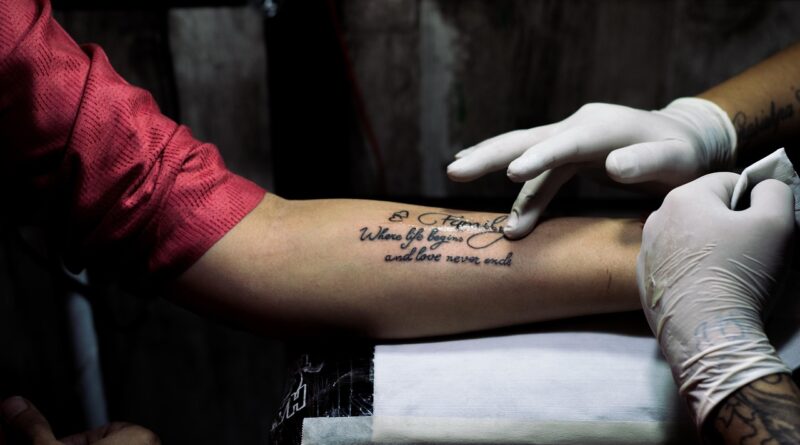
A date, flower, bird, or short script line can act like a small memorial. A rose may stand for a parent instead of romance, and a wave may point to a childhood near the coast instead of travel. The symbol becomes a short way to carry a longer story. For many people, that story is the real tattoo.
Symbols Help Shape Identity in Public
A tattoo belongs to the wearer, but other people still see it. A lion on the forearm sends a different signal from a hidden birth flower on the ribs. One may feel strong and protective, while the other may feel quiet and personal. Neither choice is wrong, but it helps to know what the symbol may suggest before someone asks about it at work, in a coffee line, or at a family dinner.
Regret Often Starts With a Weak Reason
The same Pew Research Center report said 24% of tattooed Americans have regretted one or more tattoos. The report does not name every reason, so it is not fair to say symbol choice causes all regret. In real studio talks, though, weak meaning, rushed placement, poor work, and trend pressure come up often. A symbol with a clear reason is usually easier to stand by later.
What Do the Most Popular Tattoo Symbols Mean?
There is no public, reliable global database that proves one tattoo symbol is the most popular or gives one fixed meaning for every design. Tattoo meaning changes with culture, style, artist, and wearer. Even so, many classic symbols have meanings that clients and artists return to often.
Hearts Roses and Names Point to Love and Memory
Hearts are easy to read. They often point to love, loss, loyalty, or a bond that still matters. Roses can carry more than one meaning. A red rose may suggest passion, while a black rose may suggest mourning or change. Names and initials are more direct, so they need careful thought. A child’s name is one matter; a new partner’s name after three weeks is another, and tattoo artists hear that request more than people think.
Anchors Compasses and Ships Signal Direction
Anchor tattoos often suggest stability, safe return, or staying grounded when life gets hard. Smithsonian Magazine’s writing on tattoo history notes that sailors helped spread tattooing in the modern West after European contact with Polynesian tattoo traditions in the 18th century. In that maritime setting, anchors and ship designs were not random decoration. They were tied to risk, travel, hope, and survival.
Animals Flowers and Celestial Signs Carry Personal Layers
Animal tattoos often show traits the wearer respects. A wolf may suggest loyalty or independence, while a butterfly may point to change. A snake can mean danger, healing, rebirth, or temptation, depending on the style and culture. Flowers can soften a design and add meaning through birth months, family gardens, or seasonal memories. Sun and moon tattoos usually speak about balance, cycles, time, or two people with different energies.
How Does Culture Change the Meaning of a Tattoo Symbol?
A symbol can look good and still have a history that needs care. This is true for sacred marks, Indigenous patterns, religious signs, and designs tied to rank, ancestry, or rites of passage. A quick screenshot is not enough research for this kind of tattoo.
Ancient Marks Often Had Protective Roles
Smithsonian Magazine has reported that tattooing has been found across many ancient cultures, including evidence linked to Ötzi the Iceman, a 5,300-year-old mummy discovered near the Italian-Austrian border. The same source describes ancient Egyptian tattoos that may have served protective roles during pregnancy and birth. That history matters because many symbols did not start as style. They were used for protection, status, healing, or belonging.
Sacred Designs Need Careful Permission
Some patterns belong to living communities, not only old records or museum displays. Māori moko, for example, has been described by Smithsonian Magazine as a marker of status, rank, ancestry, and personal identity. If you like a sacred or Indigenous design, ask whether it is right for you to wear it. In many cases, a custom design based on your own story is a better choice than copying a mark with rules you do not share.
Placement Can Change the Message
The same symbol can feel different on the hand, chest, neck, ankle, or back. A tiny cross behind the ear may feel quiet and devotional, while a large cross across the throat may read as a public statement. Placement affects pain, visibility, aging, and social meaning. Before choosing a spot, picture the design at work, at the beach, in wedding photos, and at age 60. It is a simple check, but it often helps.
Which Tattoo Symbol Fits Your Story Best?
A good tattoo symbol does not need a dramatic backstory. It needs a reason you can still respect later. If the meaning is honest, a small line drawing can feel stronger than a crowded sleeve with too many unrelated ideas.
Start With One Clear Reason
Write one sentence that explains the tattoo. Do not start with a long paragraph or a full mood board. Keep it plain: This moth is for finding light during a hard year. This olive branch is for peace after a family break. This mountain is for the place that made me feel steady. If that sentence still feels true after a few weeks, the design has a better base.
Test the Design in Real Life
Print the design at real size and tape it near your mirror. You can also save it as your phone lock screen for a while. Small issues may show up fast: the wings look too sharp, the lettering is hard to read, the symbol feels too trendy, or the size feels too safe. A tattoo stencil sits on moving skin, not on a flat screen, so this test is worth doing.
Match Style to Long Term Wear
Fine line symbols can look clean, but very tiny details may soften as the skin ages. Bold traditional symbols often hold shape longer because they use strong lines and clear contrast. Watercolor designs can look good, but they need an artist who understands how color settles in skin. Ask to see healed photos, not only fresh photos, because healed work shows the real result. See also: tattoo care.
What Should You Check Before Getting Symbol Ink?
Meaning matters, but safety and skin care matter too. A strong symbol loses its value if the studio is careless, the ink reaction is ignored, or the aftercare is treated like an afterthought. Your tattoo is art, but in the first days it is also a wound.
Ink Safety and Studio Hygiene Matter
The U.S. Food and Drug Administration states that tattoo inks can be contaminated with bacteria or other microorganisms, even when containers are sealed, and that no tattoo pigments have been approved by the FDA for injection into the skin for cosmetic purposes. This does not mean you need to panic. It means you should use basic caution before you sit in the chair. Choose a licensed studio, ask about single-use needles, check ink bottles, and avoid do-it-yourself kits.
Skin Type and Placement Need Planning
Some areas stretch, fade, or blur faster than others. Fingers, palms, feet, elbows, and knees can be difficult because the skin moves and wears down every day. If you have moles, scars, eczema, keloid history, or strong allergies, speak with a dermatologist before the appointment. The American Academy of Dermatology Association advises avoiding tattoo placement over moles because ink can make early skin cancer signs harder to see.
Aftercare Keeps the Symbol Sharp
Good aftercare is not exciting, but it works. Wash as directed, keep the area clean, use the product your artist recommends, and do not pick at flakes. The American Academy of Dermatology Association also advises protecting tattooed skin from sun with broad-spectrum, water-resistant SPF 30 or higher and reapplying at least every two hours during sun exposure. Sun exposure is one of the quickest ways to make a clean symbol look dull.
How Can You Avoid Symbol Tattoo Regret?
You cannot know exactly how you will feel in ten years. No one can. Still, you can lower the chance of regret by slowing down, checking the meaning, and choosing an artist whose healed work fits the symbol you want.
Avoid Trend Only Decisions
Trends are not the problem by themselves. A trendy symbol can still mean something real. The problem starts when the trend is the only reason. If a micro butterfly, cyber sigil, red ink word, or tiny angel number feels personal, that can be fine. If it only feels right because it is all over your feed this month, wait. Screens change fast, but skin does not.
Ask About Readability at Small Size
Many regret stories begin with a design that looked good online and messy in real life. Tiny script can close up, detailed snakes can turn muddy, and mini portraits are risky unless the artist has the right skill. If your artist suggests going a little bigger or simplifying one part, listen. That advice usually comes from healed tattoos they have seen, not from trying to make the job harder.
Keep Future Context in Mind
Think about how the symbol may sit beside future tattoos. A single compass may later become part of a travel sleeve, and a small memorial flower may need space for more family symbols. If you may build a larger piece later, tell your artist before the first session. Leaving the right negative space now can save you from awkward cover-up work later.
FAQ
Q1: What Is the Most Meaningful Tattoo Symbol? A: There is no single most meaningful symbol for everyone. Pew Research Center data from August 2023 shows that honoring or remembering someone or something is the most common reason among tattooed U.S. adults, so the most meaningful symbol is usually the one tied to your own memory.
Q2: Can One Tattoo Symbol Have Two Meanings? A: Yes. A snake can mean rebirth, danger, healing, wisdom, or temptation. A rose can mean love, grief, beauty, or family. Your artist can adjust the style so the meaning sits closer to your story.
Q3: Are Cultural Tattoo Symbols Safe to Use? A: Some are fine, but sacred, Indigenous, religious, or rank-based symbols need care. Research the culture, avoid copying protected marks, and choose a custom design when permission is unclear.
Q4: Should a Symbol Tattoo Be Small or Large? A: It depends on detail, placement, and style. Simple icons can work small. Detailed animals, faces, lettering, and ornamental patterns often need more space to stay readable as the tattoo ages.
Q5: How Long Should You Think Before Getting a Symbol Tattoo? A: For a first tattoo or a visible placement, give the idea at least a few weeks. If the symbol still feels right after daily life, real-size testing, and an artist consultation, you are in a much better place to book it.