
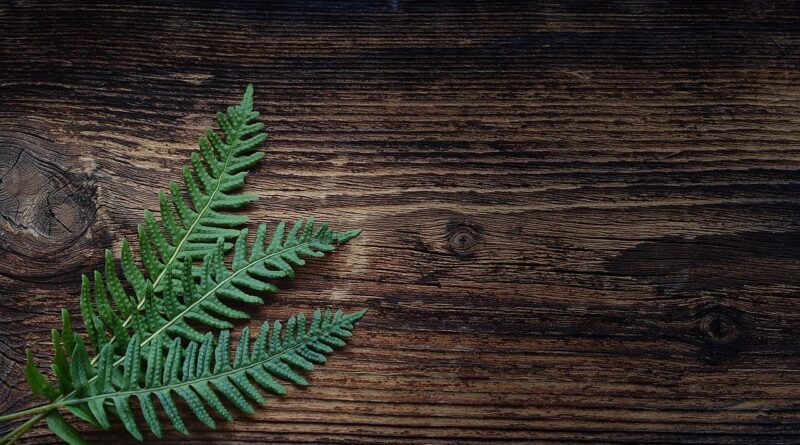
What Does a Fern Tattoo Mean and Is It the Best Nature Tattoo for You?
What Does a Fern Tattoo Mean?
A fern tattoo usually stands for renewal, steady strength, and growth that happens without much noise. If you like nature tattoos that feel personal but not too common, a fern can do the job with only a few thin leaves. For more symbol-focused ideas, you can also browse the tattoo meanings section before you settle on one design.
Renewal and Fresh Starts
Ferns often look like they keep coming back. New fronds open slowly, and that makes the fern a clear sign of a new stage after grief, burnout, relocation, sobriety, a breakup, or a career reset. It does not shout “new me” in a big way. It feels more like a small green reminder that life is still moving.
Quiet Strength and Survival
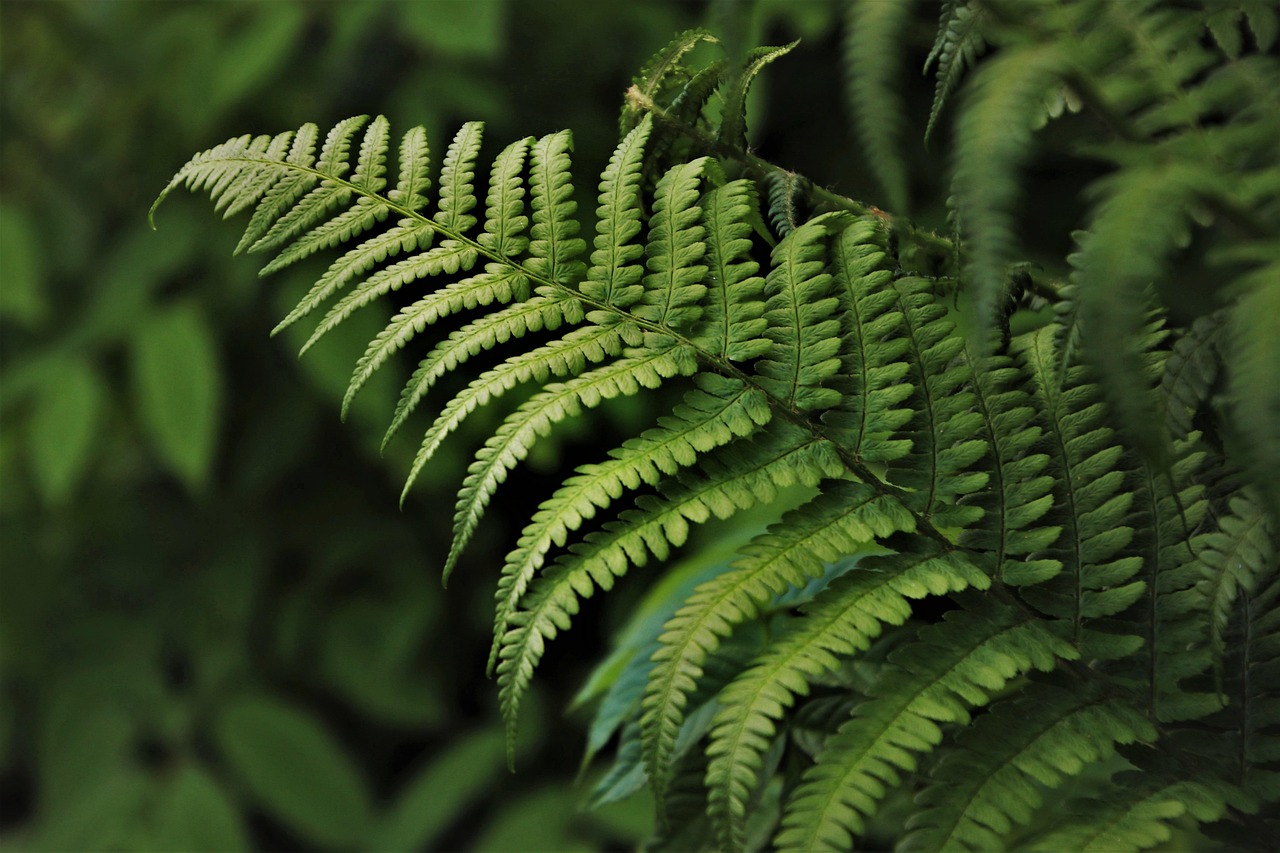
The Royal Horticultural Society notes that many ferns are hardy perennials, which means they can return for years when planted in the right setting. That plant habit gives the tattoo a steady meaning. You may choose it for survival, patience, or a calm personality. It suits people who do not need large symbols to show they have gone through something.
Privacy, Protection, and Inner Growth
Because ferns grow well in shade and damp woodland-like spaces, they also have a private feel. A fern tattoo can mark the part of your life that is still growing quietly. Not every tattoo needs to tell your full story to strangers at a coffee shop. Sometimes one simple leaf is enough.
Why Do Ferns Fit Tattoo Symbolism So Well?
Fern symbolism works because the plant has a real botanical background. The shape is easy to like, but the meaning is not random. Ferns grow, spread, and reproduce in ways that are different from common flowering plants, and that gives artists useful visual and emotional material.
Spore-Based Growth Without Flowers
The Royal Horticultural Society states that ferns do not produce flowers or seeds, but spores instead. Britannica also describes ferns as spore-producing vascular plants. In tattoo language, that can point to growth without praise. You can change, heal, and build a good life even when nobody is watching the process.
Ancient Greenery With Modern Appeal
Ferns have an old plant look, but the tattoo does not feel out of date. Fine-line artists use fern leaves for clean, modern pieces, while blackwork artists can make the shape feel darker and more like the forest floor. The design sits between botanical science and personal meaning. That is one reason it works in both minimal and detailed tattoo plans.
Victorian Fern Fever and Decorative Memory
The National Trust records that “fern fever,” also called pteridomania, gripped Victorian Britain and much of the English-speaking world from the 1850s. RHS Digital Collections also documents fern books, nursery catalogues, and fern displays from that period. For tattoo design, this background adds a vintage layer. A fern can feel like a page from an old botanical print, not just a plant sketch that happens to be popular now.
Which Fern Tattoo Style Matches Your Story?
The right style depends on what you want the tattoo to say. A fern can look soft, wild, academic, spiritual, or almost abstract. Before picking a stencil, look at the mood first. The same fern leaf can feel very different in thin black lines compared with heavy black shading.
Fine Line Fern Sprig
A fine line fern sprig is a common choice if you want something light and easy to wear. It works well on the inner arm, ankle, ribs, or collarbone. The design can be as small as two inches, but the leaflets still need space. If the fronds are too tiny, the lines may blur together as the tattoo ages.
Blackwork Forest Fern
Blackwork suits people who want a stronger nature tattoo. Dense black leaves, shadowed stems, and layered fronds can create a forest-floor look. This style works better at medium or large size, especially on the forearm, calf, shoulder blade, or upper arm. A good artist will leave enough negative space so the fern still reads as a plant after years of healing and sun exposure.
Botanical Color Fern
Color can look good on a fern tattoo, but it needs a clear plan. The RHS notes that fern foliage can appear in shades of green and may also carry purple, pink, silver, bronze, coppery, or dark purple tones depending on the type. That gives your artist a plant-based palette to work from. Muted green and bronze usually age better than neon choices, especially if you want a natural botanical look.
Where Should You Place a Fern Tattoo?
Placement changes the whole feel of a fern tattoo. The shape is long, tapered, and flexible, so it can follow the body well. Still, a fern with many small leaflets needs enough skin space. Tiny placement can be nice, but too much detail in too little room may look messy later.
Wrist or Forearm for Visibility
The wrist and forearm are good choices if you want to see the tattoo often. A fern running along the inner forearm can look calm and clean, especially in fine line or soft blackwork. These areas get regular sun exposure, so plan on sunscreen once the tattoo is fully healed. That small habit helps the lines hold up better.
Rib, Shoulder, or Spine for Flow
A fern naturally follows curves, so ribs, shoulders, and the spine make sense. A single frond can run down the side of the ribs, while a fuller cluster can sit over the shoulder blade. These spots can hurt more than the outer arm. If this is your first tattoo, ask the artist about session length and breaks before you start.
Ankle or Collarbone for Subtle Detail
An ankle fern feels quiet and close to the ground. A collarbone fern feels lighter, almost like jewelry. Both placements work best with simplified leaves instead of a full scientific illustration. Shoes, socks, straps, and tight clothing can rub healing skin, so aftercare matters a lot in these spots. See also: tattoo care.
What Should You Know About Cultural Meaning?
Some fern designs are only botanical leaves. Others touch cultural symbols, especially the koru, which comes from Māori art. This is where it is worth slowing down. A spiral may look simple, but the background can be serious.
Koru as a Māori Creation Motif
Te Ara, The Encyclopedia of New Zealand, explains that the koru is often used in Māori art as a symbol of creation and is based on the shape of an unfurling fern frond. Te Ara also describes the circular form as suggesting movement, return, and the way life changes while staying connected to its origin. That is strong symbolism. It should not be treated as plain decoration.
Respect for Tā Moko and Personal Identity
The Museum of New Zealand Te Papa Tongarewa describes tā moko as the art and practice of Māori tattoo, with deep links to ancestry, identity, and living cultural practice. If you are not Māori, avoid copying tā moko patterns from photos or flash sheets. That kind of copying can be disrespectful. It also often looks like the person did not understand the design before getting it done.
Simple Fern Leaves as a Safer Choice
If you love fern meaning but do not have a personal tie to Māori culture, choose a botanical fern leaf instead of a cultural pattern. You can still show renewal, growth, and resilience through the plant itself. Ask for a custom fern sprig, a forest fern cluster, or a scientific-style leaf study. That route keeps the design personal without taking from sacred or identity-based motifs.
How Can You Plan a Fern Tattoo That Ages Well?
A good fern tattoo is not only about meaning. It also comes down to skin, line weight, spacing, and care. Public data on the yearly popularity of fern tattoos is not available from a reliable government or major tattoo-industry source, so any claim that fern tattoos are “the most popular” should be treated as opinion, not fact. What can be checked is broader tattoo behavior and health guidance.
Clean Lines and Enough Spacing
Pew Research Center reported in August 2023 that 32% of U.S. adults have a tattoo, including 22% who have more than one, based on a survey of 8,480 adults conducted July 10 to July 16, 2023. Pew also found that 69% of tattooed adults said honoring or remembering someone or something was a major or minor reason for their tattoos. That makes planning important. A fern chosen for memory or renewal should still be readable ten years from now, so give each leaflet room.
Artist Choice and Skin Safety
The U.S. Food and Drug Administration says tattooing places ink into the skin with needles, and it has received reports of infections from contaminated inks as well as allergic reactions. For you, that means the artist and studio matter as much as the sketch. Look for a clean setup, sealed needles, clear ink labels, and aftercare instructions that are specific. If the answers feel vague, it is better to wait and find another studio.
Aftercare for Green and Black Ink
The American Academy of Dermatology advises protecting tattooed skin from sun because ultraviolet light can fade some inks, and it recommends broad-spectrum, water-resistant sunscreen with SPF 30 or higher once the skin is healed. Fresh tattoos should not be covered in sunscreen right away. Follow your artist’s healing steps first. After that, protect the fern so its fine leaves stay clear for longer.
FAQ
Q1: What Does a Fern Tattoo Mean? A: A fern tattoo often means renewal, resilience, quiet growth, and survival. It can also suggest privacy because ferns are linked with shaded, woodland places.
Q2: Is a Fern Tattoo Good for a First Tattoo? A: Yes, if you keep the design simple and choose a placement with enough space. A small fern sprig on the forearm, ankle, or collarbone can work well for a first piece.
Q3: Can a Fern Tattoo Be Minimalist? A: Yes. A minimalist fern tattoo can use one stem, light leaflets, and clean black lines. Just avoid making the leaflets too small, because tiny details may soften as the tattoo ages.
Q4: Is a Koru the Same as a Fern Tattoo? A: Not exactly. A koru is based on an unfurling fern frond, but it has specific Māori cultural meaning. A simple botanical fern leaf is usually a safer choice if you do not have that cultural connection.
Q5: What Color Works Best for a Fern Tattoo? A: Black is the most classic and tends to stay clear. Soft greens, bronze tones, and muted purples can also work if your artist has strong experience with botanical color tattoos.