

Psalm 91 tattoo meaning, verse ideas, and design considerations
What a Psalm 91 tattoo usually means
A Psalm 91 tattoo is most often chosen as a visible reminder of divine protection, refuge, faith, and courage in times of danger or uncertainty. The chapter is closely associated with shelter under God’s care, using images such as a refuge, fortress, wings, shield, angels, and deliverance. For many people, the tattoo is not a claim that life will be free from hardship. It is a personal statement of trust: whatever happens, they want their faith close to them in a permanent, visible form.
Psalm 91 works well as a tattoo theme because it is not limited to one short sentence. The chapter contains several strong images that can be used as minimalist text, a symbolic design, or a larger religious piece. Someone may choose Psalm 91:2 for refuge, Psalm 91:4 for the image of wings, Psalm 91:11 for guardian angels, or simply “Psalm 91” as a compact reference to the whole chapter.
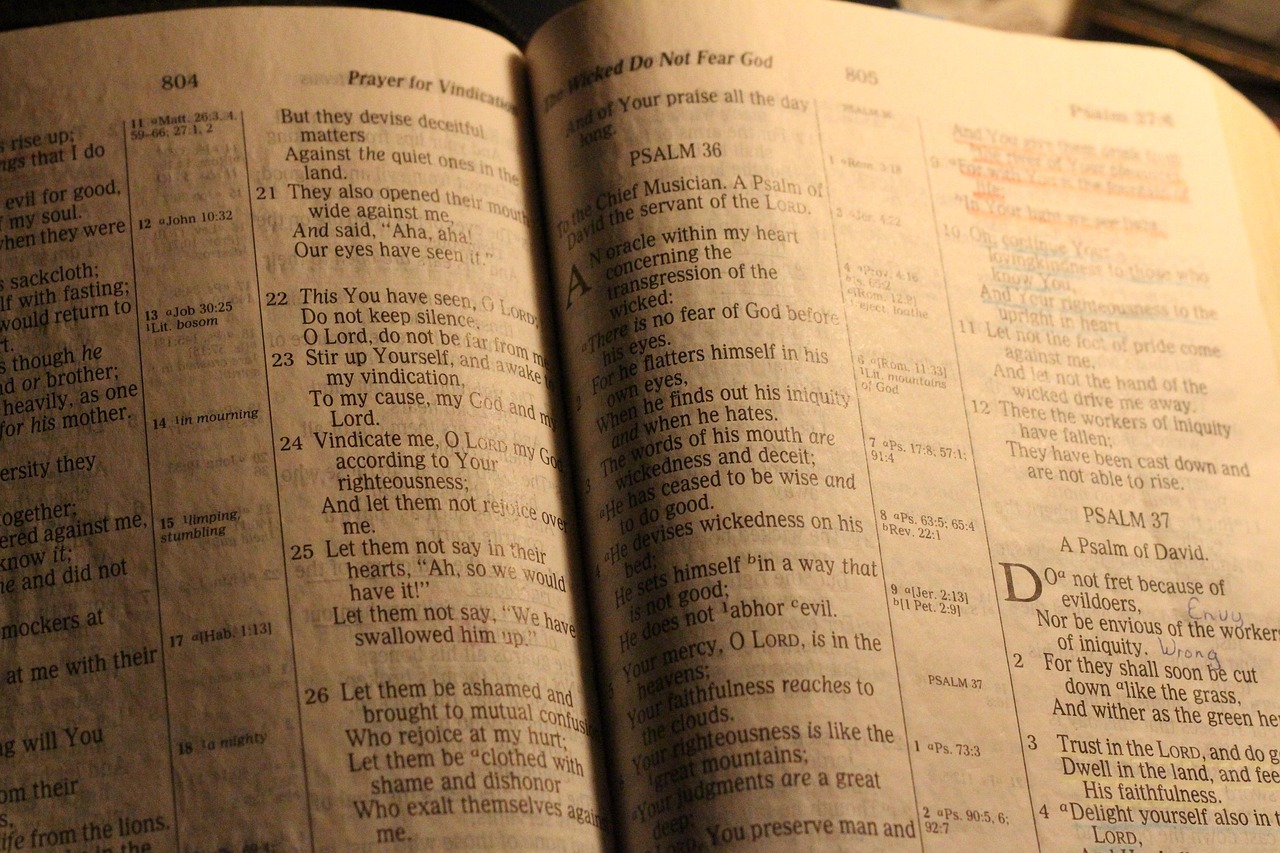
If you are comparing biblical tattoo ideas, Psalm 91 belongs with other faith-based designs that use scripture as a source of identity and comfort. You can explore more symbolic designs in our tattoo meanings section, but Psalm 91 has a particularly clear theme: protection rooted in trust.
Key Psalm 91 verses and what they can express
Psalm 91 has sixteen verses, but only some are practical for tattoo wording. Long scripture tattoos can become difficult to read, especially as skin changes over time. Short phrases, verse numbers, and symbols usually age better than a full paragraph of text.
Bible translations also use different wording, so check the exact version before approving a stencil. Public-domain wording, such as the King James Version, may differ from modern translations. Modern Bible editions can also have copyright rules for extended quotation. For a tattoo, this mainly matters if you plan to reproduce a long passage exactly. For most people, a short reference such as Psalm 91:4 or Psalm 91:11 is simpler and cleaner.
| Verse reference | Common tattoo meaning | Design direction |
|---|---|---|
| Psalm 91:1 | Dwelling in God’s shelter and presence | Shadow, light, doorway, quiet script |
| Psalm 91:2 | God as refuge, fortress, and trusted protector | Fortress, mountain, shield, strong serif lettering |
| Psalm 91:4 | Protection under wings and faithful covering | Feathers, wings, bird imagery, fine-line details |
| Psalm 91:11 | Angelic guardianship and guidance | Angel wings, small halo, guardian figure, clouds |
| Psalm 91:14-16 | Deliverance, answered prayer, and long life | Minimal reference, sunrise, open hands, light beams |
Psalm 91:2 is a strong choice for people who want the tattoo to feel grounded and declarative. Its core idea is simple: God is a place of safety. This works well on the forearm, chest, ribs, or shoulder because the message can be understood even in a short phrase.
Psalm 91:4 is one of the most visual parts of the chapter. The imagery of feathers and wings can become a soft, protective design without requiring a large block of text. This verse is often chosen by people who want a tattoo that feels comforting rather than severe.
Psalm 91:11 is popular for guardian angel tattoos. It suits designs connected to protection during travel, military service, recovery, grief, or a turning point in life. If the tattoo honors a loved one, this reference can be paired with initials, a date, or a subtle angel-wing motif.
Symbol ideas that match Psalm 91
The strongest Psalm 91 tattoo designs usually connect the text to one clear symbol. Trying to include every image from the chapter can make the tattoo look crowded. A focused design is easier to read and more likely to remain visually strong over time.
Wings and feathers
Wings are the most recognizable Psalm 91 symbol because the chapter uses the image of protective covering. A single feather can create a quieter design, while full wings make the tattoo feel more dramatic. Fine-line feathers work well on wrists, ankles, collarbones, and behind-the-ear placements. Larger wings are better suited to the back, chest, shoulder blade, or upper arm.
Shield and fortress imagery
A shield gives the tattoo a stronger, more defensive feeling. It can represent faith under pressure, spiritual endurance, or the desire to stand firm during difficult seasons. A fortress or mountain can express the same meaning in a more landscape-based way. These symbols are especially effective when paired with Psalm 91:2.
Angels and guardian figures
Angel imagery connects naturally with Psalm 91:11. The design can be literal, such as a guardian angel figure, or minimal, such as two small wings around the verse number. If you prefer subtle religious tattoos, a simple “91:11” with a small wing can carry the meaning without becoming a large illustration.
Light, shadow, and shelter
Psalm 91 begins with the idea of dwelling in shelter and shadow. A tattoo can express this through light rays, a doorway, a covered path, or a small figure standing under a protective form. These designs are less common than wings, which can make them feel more personal.
Placement and style choices for a Psalm 91 tattoo
Placement should match both the design and the reason for getting the tattoo. A Psalm 91 tattoo can be public, private, bold, or discreet. The best location depends on whether you want to read it often yourself, share it as a visible statement of faith, or keep it as a private reminder.
The forearm is one of the most practical placements for scripture because it provides enough space for clean lettering. It also keeps the tattoo visible to the wearer, which matters if the verse is meant as a daily reminder. The inner forearm works well for a line of text, while the outer forearm can support a larger symbol.
The chest is meaningful for people who want the tattoo close to the heart. A short phrase, a verse reference, or wings across the upper chest can feel deeply personal. Rib placements can also be powerful, but they are usually more painful and can be difficult for long text because the area curves with the body.
The back and shoulder blade are better for larger angel, wing, or shield designs. These areas allow more detail and can support balanced composition. If you want a full Psalm 91 concept rather than only a verse number, the back gives the artist more room to create a complete scene.
For a minimalist tattoo, the wrist, ankle, neck, finger, or area behind the ear can work for “Psalm 91,” “91:11,” a small feather, or a tiny shield. These placements are not ideal for long lettering. Small tattoos need generous spacing because ink can soften over time.
Choosing wording that will age well
Scripture tattoos can be beautiful, but readability is a real design issue. A phrase that looks elegant on a phone screen may blur if it is placed too small on skin. Thin cursive, tight spacing, and long paragraphs are the most common problems with verse tattoos. See also: tattoo care.
If you want text, ask your artist to show the stencil at actual size. Step back and read it from a normal distance. If you cannot read it clearly before it is tattooed, it will not become easier to read later. Clean serif, sans serif, blackletter, or simple script can all work, but the letters need enough height and spacing.
Consider whether the tattoo should use a full phrase or only the reference. “Psalm 91” is direct and compact. “Psalm 91:4” or “Psalm 91:11” is more specific. A short phrase adds emotional clarity, but it also requires more space. If you want a modern translation, verify the wording carefully and bring the exact text to your appointment.
Spelling and punctuation should be checked more than once. Psalm references are often written as “Psalm 91:4,” “Psalms 91:4,” or simply “91:4.” In many English Bibles, the book title is printed as “Psalms,” while people commonly say “Psalm 91” when referring to the individual chapter. Either can be understood, but choose one style before the stencil is made.
Faith and personal considerations before getting the tattoo
A Psalm 91 tattoo is deeply personal, but it is also a religious symbol. Before choosing it, think about whether the design reflects your actual belief, a season of your life, a memorial, or a general appreciation for the language of protection. The clearer the purpose, the easier it is to choose the right verse and style.
Some Christians are comfortable with scripture tattoos, while others avoid tattoos for theological or personal reasons. That difference should be treated with respect. If the tattoo is part of your faith, it may be worth discussing the idea with a pastor, mentor, family member, or someone whose spiritual judgment you trust. The goal is not to seek approval from everyone, but to make a decision you can carry with peace.
It is also wise to avoid treating Psalm 91 like a charm or guarantee. The chapter is a statement of trust in God’s protection, not a promise that a tattoo itself has protective power. The meaning comes from the faith and memory attached to it, not from the ink alone.
If the tattoo is connected to trauma, illness, military service, loss, or recovery, take time with the design process. A meaningful tattoo does not need to be rushed. You may decide that a small reference is enough, or you may want a larger piece that includes dates, symbols, or imagery connected to your story.
Tattoo safety and aftercare notes
Even a meaningful religious tattoo is still a body modification, so safety matters. Public health sources such as the U.S. Food and Drug Administration and the American Academy of Dermatology describe tattoo-related concerns including infection, allergic reactions, scarring, and skin reactions that may appear after the appointment. These risks do not mean you should avoid tattoos altogether, but they do mean you should choose the studio carefully.
Look for a licensed artist who uses sterile equipment, single-use needles, clean work surfaces, and properly handled ink. Ask questions before the appointment if you are unsure. A professional artist should be willing to explain hygiene practices and aftercare instructions without making you feel rushed.
Aftercare instructions can vary by artist and by the size and placement of the tattoo. In general, you should keep the tattoo clean, avoid picking at scabs, protect it from unnecessary friction, and follow the artist’s guidance on washing and moisturizing. If you notice worsening redness, swelling, pus, fever, or a spreading rash, seek medical advice instead of trying to solve the problem only with home care.
For scripture tattoos, aftercare also affects readability. Sun exposure can fade ink, and poor healing can distort fine lettering. Once healed, sunscreen and basic skin care can help preserve the clarity of the design.
Frequently asked questions
What does a Psalm 91 tattoo symbolize?
It usually symbolizes divine protection, refuge, faith, trust, and courage. Depending on the verse, it may also represent angelic guardianship, shelter under God’s wings, deliverance, or strength during hardship.
Which Psalm 91 verse is best for a tattoo?
Psalm 91:2, Psalm 91:4, and Psalm 91:11 are among the most practical choices because they have clear themes and strong imagery. The best verse depends on whether you want the tattoo to focus on refuge, wings, angels, or personal trust.
Is “Psalm 91” enough for a tattoo?
Yes. A simple “Psalm 91” tattoo can be powerful because it points to the entire chapter without requiring a long text block. It is also easier to place on small areas and tends to age better than tiny script.
What symbols go well with Psalm 91?
Wings, feathers, shields, fortresses, angels, light rays, mountains, and shelter imagery all connect naturally with the chapter. Choose one main symbol rather than combining too many elements.
Should I use a full verse or just the reference?
Use a full verse if the wording is central to the meaning and the placement has enough space. Choose the reference if you want a cleaner, more durable design. For many Psalm 91 tattoos, a short reference with a strong symbol is the most balanced option.