
Ace of spade tattoo meaning and symbolism explained
What does an ace of spade tattoo mean?
An ace of spade tattoo usually points to a direct relationship with luck, risk, power, and mortality. The card is dark, graphic, and closely tied to gambling imagery, so many people read it as a symbol of playing the hand life gives you. It can also work as a death-card image, especially when the design includes skulls, smoke, weapons, ravens, or heavy black shading. For others, the ace connects to independence, rebellion, confidence, or ace and aroace identity. The card alone does not create one fixed meaning; the surrounding details, placement, and the wearer’s reason carry much of the message.
Among tattoo meanings, the ace of spades has an unusual range. It can feel lucky, dangerous, elegant, understated, or deeply personal. That flexibility is why it works as a small minimalist mark, a traditional flash piece, or a larger black-and-gray composition.
Why the ace of spades became such a strong tattoo symbol
The ace of spades stands out because it already looks more important than most playing cards. Playing-card historians commonly connect its distinctive treatment to tax and manufacturer marks used on packs of cards in Britain from the 18th century onward. The International Playing-Card Society describes how duty marks became associated with the ace of spades after 1712, which helps explain why this card often received a more elaborate design than the other aces.
That visual weight matters in tattooing. A tattoo has to read quickly, often from a distance. The ace of spades does this well: a large black spade, the letter A, and a card outline are enough for most viewers to recognize it. It also carries useful contrast. The image is simple but formal, playful but ominous, familiar but still slightly mysterious.
Over time, different meanings gathered around the card. In gambling culture, it can suggest chance, nerve, and high stakes. In folklore and military stories, it became linked with death and intimidation. In modern identity language, ace is connected to asexuality, while the ace of spades is often used by some people to signal aromantic asexual identity. These meanings do not cancel each other out. They make the tattoo highly dependent on context.
Main meanings of an ace of spade tattoo
Luck, risk, and playing your hand
The most approachable meaning is luck. A playing card tattoo naturally points to games, chance, and the fact that life involves uncertainty. An ace of spade tattoo can show that the wearer accepts risk and keeps moving even when the odds are unclear. This is why the card often appears with dice, poker chips, flames, dollar signs, or script banners about fortune.
This meaning can be positive without being simplistic. It is not only about winning. It can mean resilience, calculated risk, or the confidence to make a choice when there is no perfect option. A clean ace card on the forearm or upper arm often reads this way: direct, confident, and not especially dark.
Power, confidence, and self-control
In many card games, an ace can be a high-value card, and spades are visually the sharpest of the four suits. That makes the ace of spades a natural symbol for strength, authority, and control. A crown, bold linework, or a single oversized spade can push the design toward this interpretation.
For some wearers, the tattoo is less about gambling and more about self-possession. It can mark a period of becoming more decisive, leaving an old life behind, or refusing to be underestimated. A minimalist version can feel cool and composed, while a heavy blackwork version feels more forceful.
Death-card symbolism and memento mori
The ace of spades is often nicknamed the death card, but that meaning needs context. It is not a universal ancient rule that the card always means death. The association grew through folklore, military imagery, and popular culture. The famous dead man’s hand story, connected to Wild Bill Hickok’s killing in Deadwood on August 2, 1876, involves black aces and black eights in later retellings. Historians and poker writers often treat parts of the exact card story as legend rather than fully settled fact.
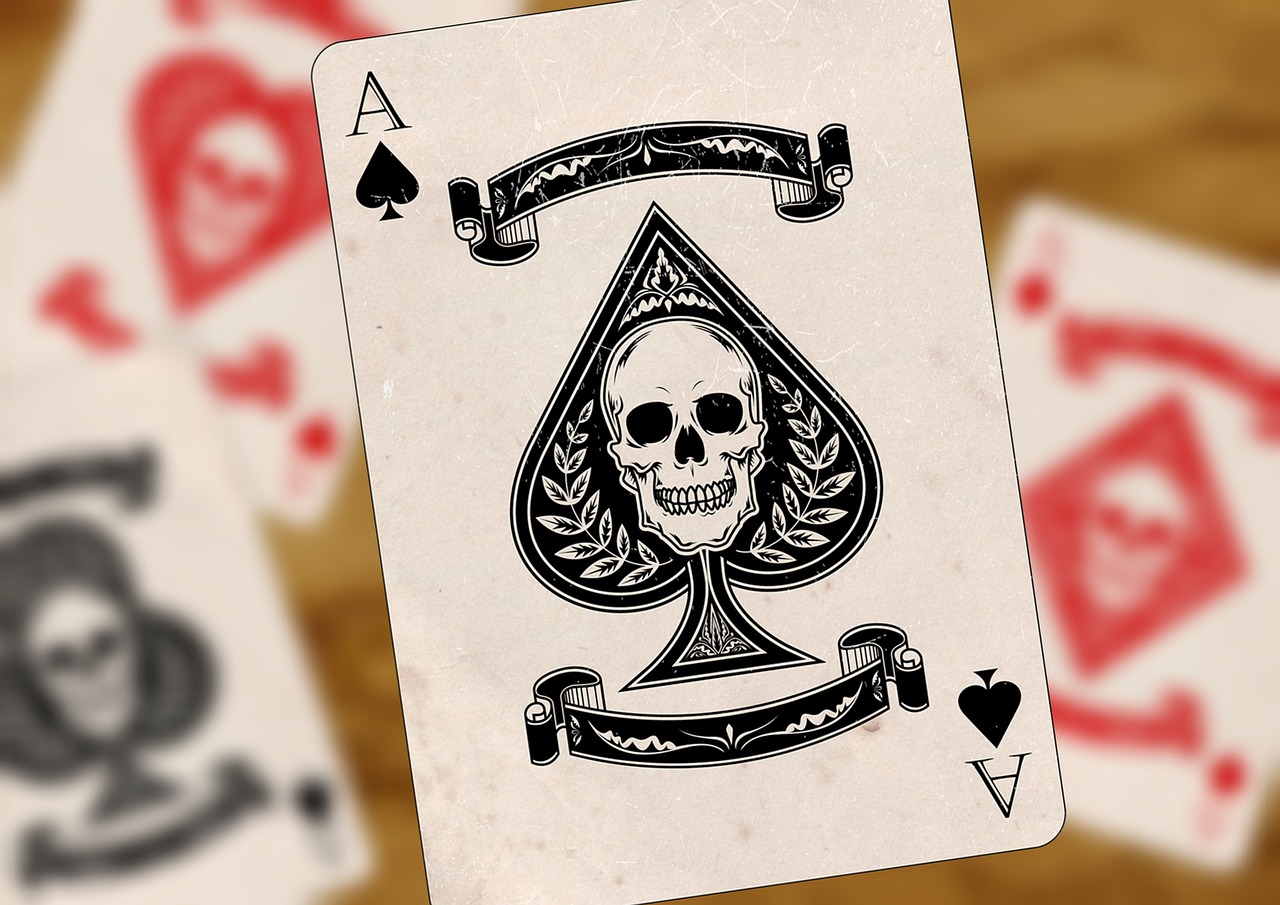
As a tattoo, the death-card meaning is usually symbolic rather than literal. It can function like a memento mori: a reminder that life is limited, fear should be faced, and time should not be wasted. Design choices matter if this is the intended reading. Skulls, hourglasses, smoke, ravens, daggers, and dark shading will push the tattoo toward mortality. A plain playing card is more likely to read as a luck symbol.
Military, outlaw, and rebellious readings
The ace of spades also has a reputation in military and outlaw aesthetics. The Vietnam War association is widely repeated: some U.S. troops used ace of spades cards as psychological imagery, and the United States Playing Card Company has been connected in many accounts with producing extra ace cards for that purpose. The stronger claim that Vietnamese culture universally viewed the card as a death omen is more disputed and should be treated carefully.
In tattoo form, this history can make the ace of spades look confrontational or defiant, especially when paired with helmets, weapons, flames, or biker-style lettering. That does not mean every ace tattoo is military or outlaw-coded, but the association exists. If you want a softer reading, avoid aggressive supporting imagery and choose cleaner card art, fine-line work, flowers, or abstract framing.
Ace, asexual, and aroace identity
Modern identity symbolism gives the ace of spades another important meaning. Ace is a common shortened form of asexual. In ace and aromantic communities, playing-card suits have sometimes been used as identity symbols, and the ace of spades is often associated with aromantic asexual, or aroace, identity. Community usage is not perfectly uniform, so this is best understood as a recognized but context-sensitive symbol.
If this is the reason for the tattoo, clarity can help. Some people add purple, gray, white, and black elements associated with asexual pride, or green tones associated with aromantic identity. Others keep the design subtle, using only a small spade or a cropped card corner. The right approach depends on whether the tattoo is meant to be private, recognizable within the community, or openly expressive.
Popular ace of spade tattoo designs and what they suggest
| Design style | Likely meaning | Best suited for |
|---|---|---|
| Single playing card | Luck, risk, personal confidence | Forearm, calf, upper arm |
| Minimal spade symbol | Subtle strength or ace identity | Wrist, ankle, behind the ear |
| Card with skull | Memento mori, death-card symbolism | Upper arm, chest, thigh |
| Ace with dice or chips | Gambling, chance, bold decisions | Forearm, shoulder, sleeve filler |
| Traditional flash ace | Classic tattoo style, luck, rebellion | Bicep, calf, outer forearm |
| Ace with flowers | Balance of danger and beauty | Rib, shoulder, thigh, forearm |
| Dead man’s hand composition | Folklore, mortality, Old West imagery | Larger arm, back, or leg piece |
The design should match the meaning you actually want. If the tattoo is meant to work as a lucky charm, a skull may make it feel too fatalistic. If the goal is a mortality symbol, a bright casino-style design may soften the message. The ace of spades is flexible, but it stops being neutral once other objects are added.
Style, color, and placement considerations
Blackwork is a natural fit for an ace of spade tattoo because the spade suit is already black and graphic. Heavy black fill gives the design authority, while negative space can keep it crisp. Fine-line work makes the tattoo feel quieter and more personal. American traditional style creates a classic flash look with bold outlines, simplified shading, banners, roses, flames, or daggers. See also: tattoo care.
Color can shift the message. Red accents make the tattoo feel more intense and can suggest danger, passion, or gambling-table drama. Purple, gray, white, and black can connect the design to ace pride when used intentionally. Green details can support an aromantic or aroace interpretation. Gold can make the card feel royal or victorious, especially when paired with a crown.
Placement changes the reading as well. A hand or finger tattoo is highly visible and may feel bold, but these high-friction areas often require more upkeep and can affect how people perceive you in professional settings. A forearm tattoo is readable and versatile. A chest tattoo can feel personal and symbolic. A calf or thigh gives enough room for card details, smoke, flowers, or a larger dead man’s hand composition.
Before committing, ask your artist to size the card elements realistically. Tiny letters, thin borders, and miniature corner details can blur over time if they are too small. A strong ace tattoo usually works best when the spade shape remains clear even if the viewer does not study every line.
Cultural cautions before getting the tattoo
The ace of spades has multiple audiences. A poker fan, a tattoo collector, a veteran, and an ace-community member may all read the same image differently. That does not mean you should avoid it, but it does mean the design should be intentional.
- Be clear about your main meaning. Decide whether the tattoo is about luck, mortality, identity, rebellion, or visual style.
- Avoid accidental signals. Placement, lettering, erotic styling, or aggressive imagery can change how the tattoo is interpreted.
- Use military references carefully. If you are not connected to that history, a plain card may be more respectful than a combat-themed design.
- Understand identity symbolism. If you are using the ace of spades for ace or aroace meaning, consider whether you want the reference to be subtle or explicit.
- Think beyond the first impression. A design that looks edgy today should still feel meaningful years later.
There is also a practical health side. U.S. public-health guidance from agencies such as the FDA and CDC has repeatedly noted that tattooing breaks the skin, and that contaminated inks, unsterile practices, or allergic reactions can cause problems. Choose a licensed studio, follow aftercare instructions, and seek medical advice if a new tattoo develops persistent redness, swelling, rash, heat, discharge, or unusual pain.
How to choose the right ace of spade tattoo
Start with the sentence you want the tattoo to express. If the sentence is I make my own luck, keep the design clean and confident. If it is I remember that life is short, add memento mori imagery. If it is I am ace or aroace, consider subtle pride colors, a minimalist card, or a placement that matches your comfort level. If you simply like the card because it looks sharp, that is also valid; not every tattoo needs a heavy explanation.
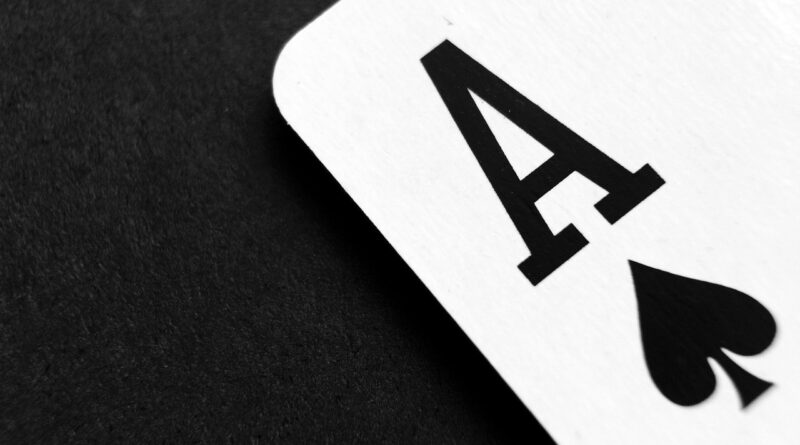
Next, decide how readable the card should be. A full rectangular card is instantly recognizable, but it needs more space. A single spade is cleaner and more abstract. A corner crop with the letter A and spade symbol can be elegant, especially for smaller tattoos. For a larger piece, ask your artist to build a composition around the card instead of adding unrelated objects.
Finally, check the tone. The ace of spades can look classy, gothic, playful, romantic, or severe. The same symbol changes dramatically with line weight, shading, surrounding objects, and placement. A good design should make the intended meaning easier to understand, not more confusing.
Frequently asked questions
Is an ace of spade tattoo good luck or bad luck?
It can be either, depending on the design and personal meaning. A plain ace with dice or poker imagery usually reads as luck, risk, and confidence. A dark ace with skulls, smoke, or weapons leans more toward death-card symbolism. Most modern wearers treat it as a personal symbol rather than a fixed omen.
Does the ace of spades always mean death?
No. The death-card association is real in folklore and popular culture, but it is not the only meaning. The card can also represent power, independence, gambling, resilience, ace identity, or simply an appreciation for playing-card design. Context decides the strongest interpretation.
Can an ace of spade tattoo represent asexuality?
Yes, for some people. Ace is a common shorthand for asexual, and the ace of spades is often used in ace and aroace community symbolism, especially for aromantic asexual identity. Because meanings vary, design elements such as pride colors can make the intent clearer if that matters to the wearer.
Where is the best placement for an ace of spade tattoo?
The forearm, upper arm, calf, and thigh are practical choices because they give enough room for the card shape and details. Wrists, ankles, and behind-the-ear placements work for minimalist spades. Hands and fingers are bold but more visible and may need extra maintenance.
What should I add to an ace of spade tattoo?
Add objects only if they support the meaning. Dice, chips, and flames suggest risk and gambling. Skulls, hourglasses, and ravens suggest mortality. Roses can soften the design. Crowns can emphasize victory or self-command. Pride colors can support ace or aroace symbolism.