
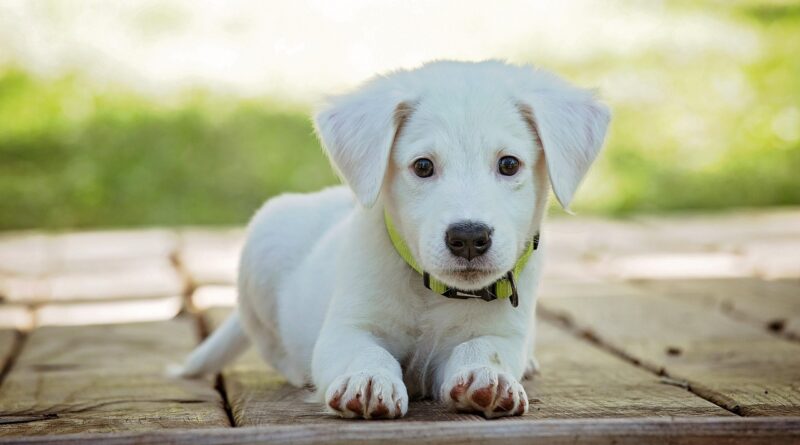
Dog tattoo ideas for meaningful paw prints, portraits, and memorial designs
Start with the story, not the symbol
The strongest dog tattoo ideas usually start with a specific question: what part of the bond should the tattoo hold? For some people, it is remembrance, so a paw print, name, date, or portrait makes sense. For others, the design is about companionship, humor, protection, or the everyday rhythm of life with a dog. That choice affects everything that follows, because the same image can feel very different depending on style, size, and placement.
A tiny outline of a sleeping dog can feel quiet and private. A realistic shoulder portrait is more direct and visible. A collar tag with initials can read almost like jewelry. Before choosing flash or copying a saved image, write down three details that belong to your dog specifically: ear shape, favorite toy, markings, collar, nickname, rescue date, or a habit. Those details turn a familiar tattoo category into a design that feels personal.
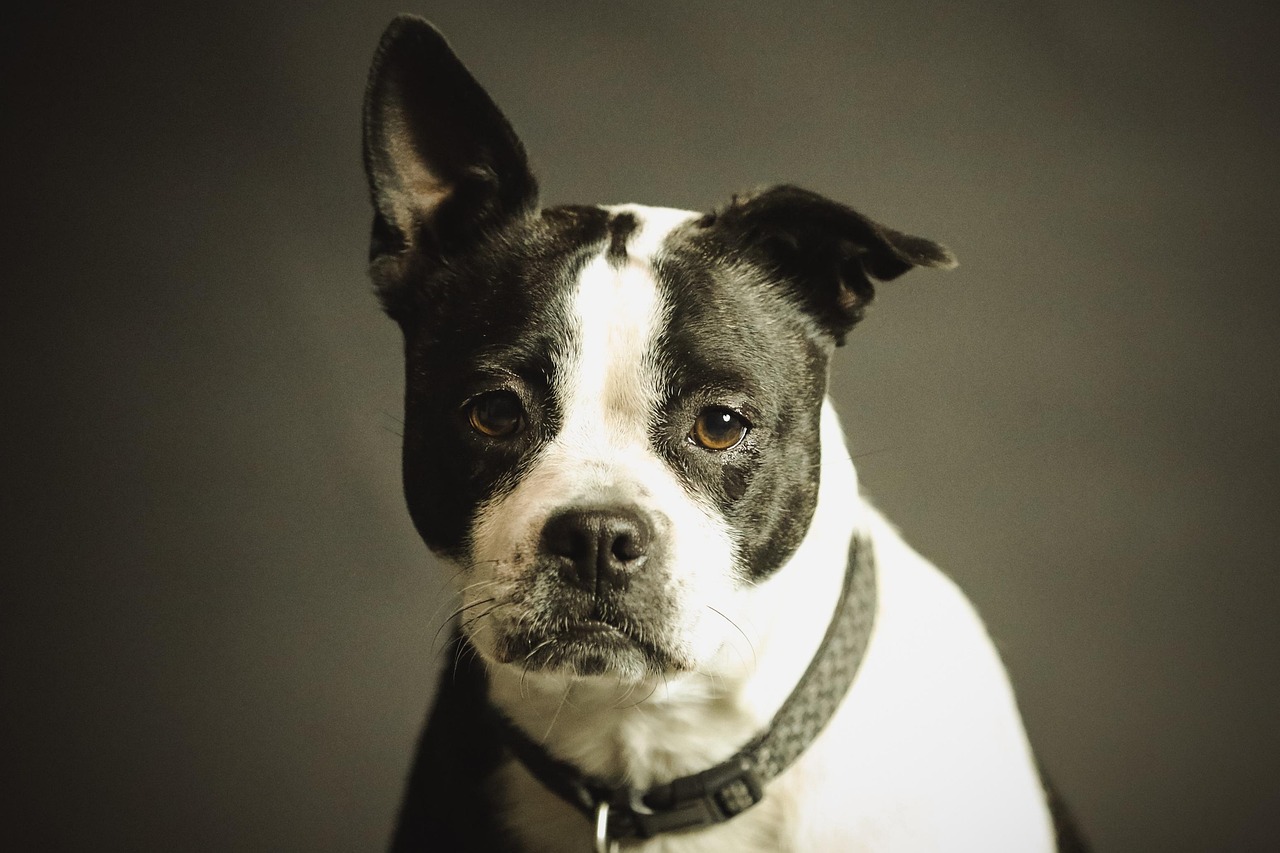
If you are still comparing broader visual directions, the tattoo ideas section can help you review animal, fine line, symbolic, and memorial concepts before you prepare a brief for an artist.
Popular dog tattoo concepts and what they communicate
Most dog tattoos fall into a few recognizable groups. None is automatically better than another. The right choice depends on whether you want accuracy, symbolism, simplicity, or a design that can be understood quickly from a distance.
| Design idea | Best for | What to consider |
|---|---|---|
| Paw print | Memorial tattoos, first tattoos, small placements | Use an actual print if possible; stock paw shapes can feel generic. |
| Fine line outline | Minimalist dog tattoos and discreet designs | Works well with simple poses but needs clean spacing to stay readable. |
| Realistic portrait | Recognizable tribute to a specific dog | Requires a larger size, strong reference photos, and a specialist artist. |
| Silhouette | Breed shape, side profile, or action pose | Most effective when the dog has a distinct outline or posture. |
| Collar tag or nameplate | Subtle memorials and personal text | Good for initials, dates, or a tiny paw, but avoid overcrowding. |
| Dog with flowers | Soft memorials and decorative pieces | Choose flowers for meaning, season, or composition rather than filler. |
| Traditional dog head | Bold color, strong outline, old-school style | Less realistic, but often ages clearly because of bold shapes. |
Paw prints remain popular because they are direct and easy to understand emotionally. The strongest version usually comes from a real print, a veterinary keepsake, or a clear photo of the paw pad. If the print is blurry, an artist may still be able to simplify it, but the limits should be discussed early so the final design does not turn into a generic paw icon.
Portraits carry a different expectation. They aim to show the dog as an individual, not just the idea of a dog. That makes them powerful, but also less forgiving. A successful portrait depends on the artist’s ability to capture fur direction, eye shape, muzzle length, markings, and expression. If the face is slightly off, the tattoo may feel emotionally wrong even when it is technically well executed.
Style choices that change the mood of the tattoo
The same dog can become several very different tattoos depending on style. A fine line tattoo feels gentle and modern. A black-and-gray portrait feels intimate and photographic. A traditional tattoo feels bold, graphic, and durable. Watercolor can suggest motion or memory, while geometric framing can make the piece feel more designed and less literal.
Fine line and minimalist dog tattoos
Fine line designs are a natural fit for small dog tattoos, especially on the wrist, inner arm, ankle, or behind the ear. Good subjects include a sleeping pose, side profile, nose outline, paw outline, or tiny collar tag. The main limitation is detail. If a very small design includes a full face, name, dates, flowers, and shading, it may lose clarity over time. Minimal does not mean careless; it means choosing the one shape that carries the feeling.
Black-and-gray realism
Black-and-gray realism is often chosen for memorial work because it can hold expression without the added emphasis of bright color. It is best suited to medium or large placements such as the forearm, upper arm, calf, shoulder blade, or thigh. Ask to see healed examples in the artist’s portfolio, not only fresh photos. Healed work gives a better sense of how soft fur texture, eyes, and shadows settle into skin.
Traditional and neo-traditional dog tattoos
Traditional and neo-traditional styles use stronger outlines, simplified shapes, and clear color blocks. These styles are useful when you want a dog tattoo that reads well from across the room. A bulldog, German shepherd, dachshund, pug, or terrier head can translate well into a graphic design, but the artist may exaggerate features rather than copy a photo exactly. That can be a strength if you want personality over strict realism.
Watercolor, floral, and illustrative designs
Watercolor splashes, flowers, stars, moons, and ornamental frames can soften a dog tattoo. They work especially well when the main dog element is simple, such as a paw, silhouette, or outline. If every part of the design is soft, however, the tattoo may lack a focal point. A common approach is to keep the dog element in black line or black-and-gray shading, then use color as a background accent.
Breed, pose, and reference details that make a design personal
Breed can guide a tattoo, but it should not reduce the dog to a stereotype. The American Kennel Club organizes recognized breeds into groups such as herding, hound, toy, working, sporting, terrier, and non-sporting. That type of grouping can be useful for visual research because different dogs have different silhouettes, ear shapes, coats, and movement. A greyhound line drawing, for example, depends on long curves and negative space. A corgi tattoo often depends on ears, short legs, and posture. A husky or border collie portrait may need careful eye and mask details.
For mixed-breed dogs, focus less on the breed label and more on the features people recognize immediately: one floppy ear, a spotted nose, a curled tail, a white chest patch, or a lopsided grin. These details often matter more than exact anatomy. If your dog always carried a tennis ball or wore a red bandana, that object may say more than a complicated portrait.
Reference photos should be sharp, well lit, and emotionally accurate. A technically clear photo is not always the best tattoo reference if it does not show the expression you remember. Bring several images: one for the face, one for markings, one for posture, and one that captures personality. The artist can then build a design instead of tracing a single imperfect image.
Placement and size choices for dog tattoos
Placement should match the level of detail. Small tattoos work best when the design is simple: a paw, outline, initial, or tiny silhouette. Detailed portraits need more skin. This is not only about the artist’s skill; it is also about how lines and shading behave as skin moves and ages. A face with tiny eyes, whiskers, and fur texture cannot stay crisp forever if it is compressed into a very small area.
- Wrist: Good for tiny paws, initials, or a small outline. It is visible and emotionally accessible, but space is limited.
- Inner forearm: A strong choice for names, paw prints, fine line portraits, or medium memorial pieces.
- Upper arm: Offers more room for portraits, flowers, frames, and bolder compositions.
- Shoulder blade: Useful for private memorial tattoos or larger pieces that can be covered easily.
- Calf: Works well for silhouettes, running poses, and medium portraits.
- Ribs: Visually elegant for linework, but often more sensitive and less ideal for a first tattoo.
- Ankle: Best for small paw prints, tiny names, or simple symbolic designs.
Also consider whether you want to see the tattoo every day. A memorial tattoo on the wrist may feel comforting to one person and emotionally intense to another. There is no universal answer. If the loss is recent, it may help to wait until the design feels steady rather than urgent. See also: tattoo care.
Memorial dog tattoo ideas that avoid feeling generic
A memorial tattoo does not need to include a full portrait, a date, and the word forever. Sometimes the most moving tribute is quieter. A small line drawing of your dog’s sleeping shape, the curve of a tail, the outline of a favorite toy, or the tag from a collar can carry more specificity than a standard paw-and-name layout.
Consider combining one literal element with one symbolic element. For example, use the actual paw print with a small sprig of the flower that bloomed when your dog joined your family. Pair a collar tag with a star if nighttime walks mattered. Add a short phrase only if it is genuinely connected to your dog, such as a nickname, command, or family saying. Handwriting can be meaningful, but it should be simplified enough to tattoo cleanly.
Dates can be handled in several ways. Some people choose birth and passing dates. Others choose adoption day only, especially for rescue dogs whose birth date is unknown. Roman numerals, small numerals, or a single year can all work, but readability should come before clever formatting. If a date is emotionally important, make sure it remains legible.
For a dog who is still alive, the design can celebrate the present rather than anticipate loss. A playful running outline, a nose print, a shared hiking symbol, or a small portrait with bright eyes can feel joyful. Not every dog tattoo has to be a memorial.
Safety, artist selection, and the final design brief
A dog tattoo is personal, but it is still a permanent body modification. The U.S. Food and Drug Administration explains that tattooing places ink into the skin with needles and that complications can include infections or allergic reactions. The practical takeaway is straightforward: choose a licensed studio where equipment, ink handling, skin preparation, and aftercare instructions are taken seriously. For specific health concerns, follow medical advice rather than relying on design inspiration pages.
Artist selection matters because dog tattoos are emotionally specific. Do not hire a realism artist for a tiny fine line symbol unless their portfolio shows that style. Do not hire a minimalist artist for a detailed portrait unless they have healed portraits that look accurate. Look for work that matches your planned tattoo in style, size, and subject.
Before the appointment, prepare a short brief:
- The main emotion of the tattoo: memorial, joy, loyalty, protection, humor, or companionship.
- The exact dog details that must be included.
- The maximum size you are comfortable wearing.
- Preferred placement and visibility level.
- Reference photos with notes about what each photo shows.
- Any text, dates, or symbols that are non-negotiable.
- Elements you do not want, such as hearts, halos, flowers, or bright color.
A good brief gives the artist direction without turning the tattoo into a crowded checklist. If the design feels too busy, remove one element before adding another. The most lasting dog tattoos usually have a clear focal point and one or two supporting details.
Frequently asked questions
What is the most meaningful dog tattoo idea?
The most meaningful idea is the one that includes something specific to your dog. A real paw print, recognizable ear shape, collar tag, favorite toy, or sleeping pose often feels more personal than a generic symbol of loyalty.
Are paw print dog tattoos too common?
Paw prints are common, but they do not have to feel generic. Use your dog’s actual print, choose the scale carefully, and pair it with one personal detail if needed. A simple design can still be deeply individual.
What size should a dog portrait tattoo be?
A recognizable portrait usually needs more space than a small symbol. Forearm, upper arm, calf, shoulder, and thigh placements give the artist room for eyes, muzzle shape, markings, and fur direction. If you want a tiny tattoo, consider an outline or silhouette instead.
Can I get a dog tattoo if I do not know the breed?
Yes. Mixed-breed and rescue dog tattoos can be especially personal because they focus on the individual dog rather than a breed standard. Use markings, posture, ears, tail, or a favorite object as the identifying feature.
Should a memorial dog tattoo include dates?
Dates are optional. Include them if they bring comfort or mark an important part of the story, such as adoption day. If dates make the design feel too heavy, a paw, tag, flower, or small symbol can carry the memory more quietly.