
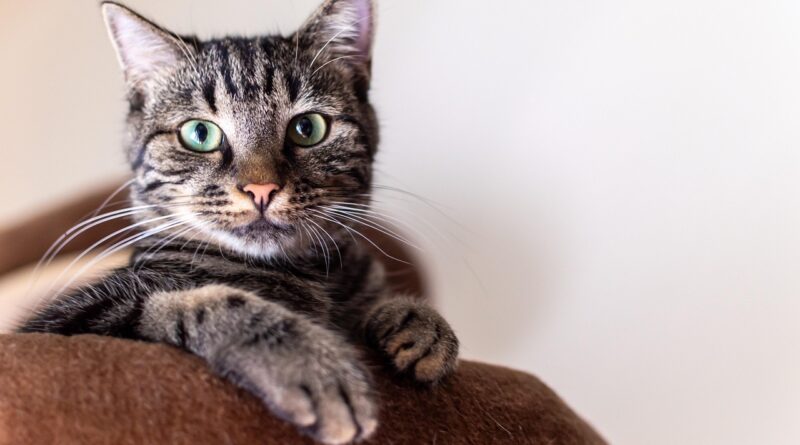
Cat tattoo ideas for styles, placements, and meaningful details
Cat tattoo ideas can range from tiny line art to expressive portraits, but the best designs usually start with one decision: what the cat should represent. For some people, it is a memorial tattoo for a pet. For others, it may suggest independence, mystery, protection, humor, luck, or quiet companionship. This guide looks at style directions, placement options, meaningful details, and practical planning points so the final tattoo feels intentional rather than generic. For more inspiration across themes, you can also browse the tattoo ideas collection.
Why cat tattoos work in so many styles
Cats are visually flexible subjects. Their silhouettes are recognizable with only a few lines, while their faces, paws, fur patterns, and body language can support much more detailed custom work. That makes the cat a strong motif for both first tattoos and larger planned pieces.
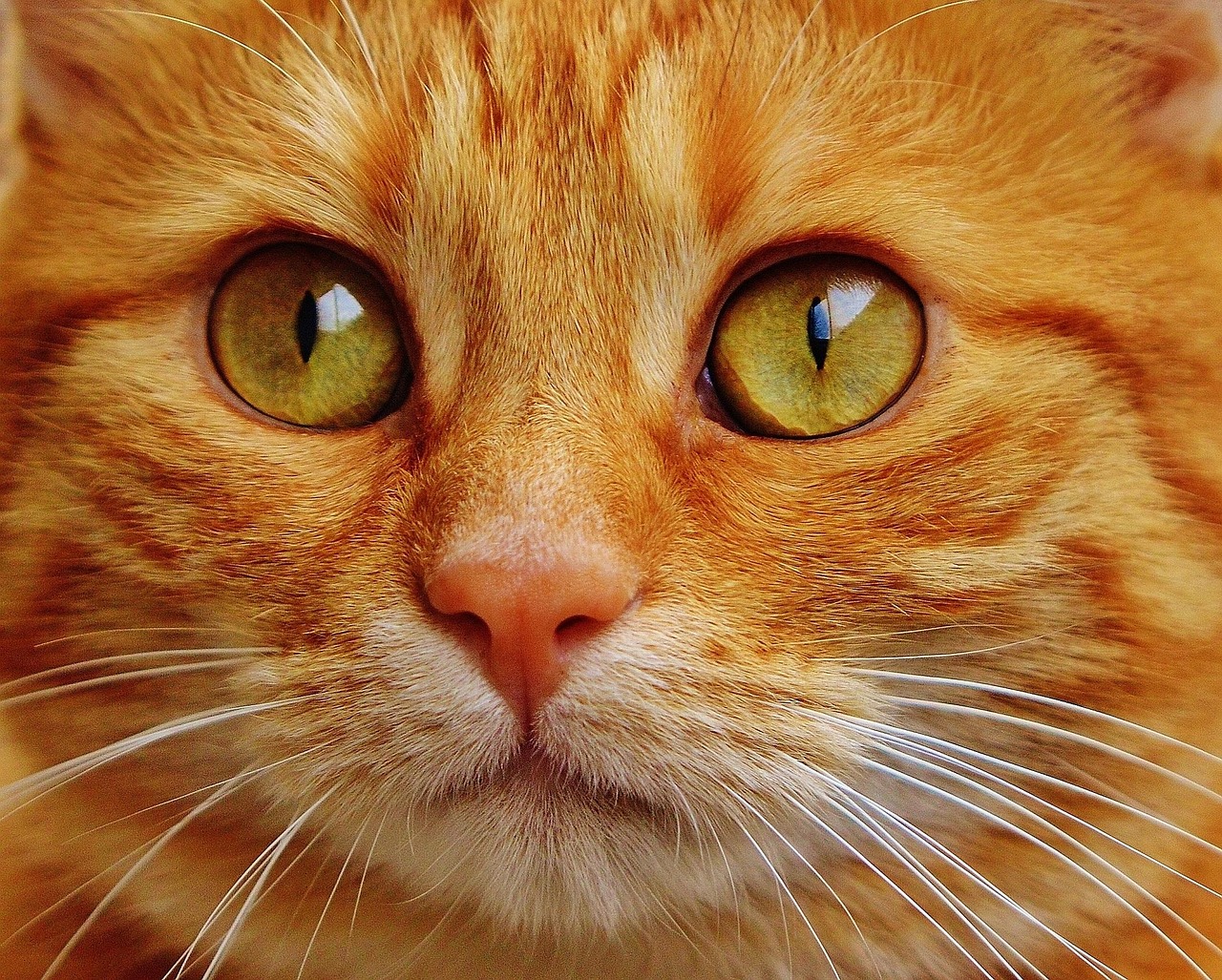
The meaning can be personal or symbolic. A sleeping cat can feel calm and domestic. A stretching cat can suggest freedom or ease. A black cat can lean into folklore, luck, witchy imagery, or gothic style. A cat with flowers can feel softer and more memorial. A cat with stars or a moon can create a quiet night-themed design without making the piece too busy.
The main risk is choosing an image only because it looks cute. Cat tattoos work better when the style, pose, placement, and scale all support the same idea.
Cat tattoo styles to consider
Different tattoo styles change the mood of the same cat subject. A curled cat in fine line may feel gentle and minimal, while the same pose in traditional color could feel bold and graphic. Before deciding on placement, choose the visual language that fits your taste and the way you want the tattoo to age.
Minimalist line art
Minimalist cat tattoos often use a continuous line, a clean outline, or a small silhouette. They work well for wrists, ankles, the inner arm, behind the ear, or the collarbone. This approach is especially useful if you want a subtle tattoo that still reads clearly at a short distance.
Keep the design simple. Very tiny whiskers, micro eyes, and delicate fur texture may soften over time, so a clean shape is usually more reliable than excessive detail at a small size.
Fine-line pet portraits
A fine-line portrait can honor a specific cat while staying elegant. Instead of trying to include every fur strand, many artists focus on the head shape, ears, eyes, markings, and expression. If the tattoo is a memorial, a portrait can be paired with a name, date, small heart, paw print, or favorite toy.
For this style, bring several clear photos taken in good light. A front-facing photo may capture the face, while a side profile may show the ears, nose bridge, and markings more clearly. Ask to see healed examples of the artist’s fine-line animal work, not only fresh photos.
Traditional and neo-traditional cats
Traditional cat tattoos usually use bold outlines, strong shapes, and limited but confident color. Common ideas include a black cat head, cat with roses, cat and dagger, lucky cat, or cat with a moon. Neo-traditional work can add more dimension, decorative framing, richer color, and stylized eyes.
This style suits larger placements such as the upper arm, thigh, calf, shoulder blade, or forearm. It is a practical choice if you want a cat tattoo that stays readable and graphic over time.
Blackwork and gothic cat tattoos
Blackwork can make a cat tattoo feel mysterious, protective, or dramatic. A solid black silhouette, arched black cat, cat with candles, cat skull, or cat with crescent moons can fit gothic, occult, or Halloween-inspired aesthetics without needing bright color.
Because blackwork relies on contrast, placement matters. Areas with enough flat space, such as the forearm, upper arm, calf, or thigh, can help the silhouette remain crisp.
Watercolor and illustrative designs
Watercolor cat tattoos use soft color washes, splashes, or painterly accents around the cat. They can feel playful, dreamy, or artistic. Illustrative cat tattoos may combine sketch-style lines with flowers, books, stars, yarn, plants, or celestial details.
These designs often need enough room for both the cat and the surrounding color or texture. If the design is too small, the soft effects may blend together. A medium scale on the forearm, shoulder, upper arm, or thigh usually gives the artist more control.
Meaningful cat tattoo ideas by theme
If you know the meaning first, it becomes easier to choose the image. The directions below can be customized without turning the tattoo into a crowded collage.
Memorial cat tattoos
A memorial cat tattoo does not have to be large to feel personal. A simple outline of your cat’s sleeping pose, a fine-line face, a paw print, or a small collar tag can be enough. Some people add birth and passing years, but dates are optional. If you prefer privacy, use a small initial, a favorite flower, or a symbol only you understand.
For a more subtle memorial, consider a cat silhouette sitting inside a crescent moon, a tiny paw beside a heart, or your cat’s distinctive tail curve. These details can carry meaning without requiring a literal portrait.
Black cat tattoos
Black cat tattoos can suggest mystery, independence, luck, rebellion, or affection for classic folklore. A black cat can look cute, spooky, elegant, or bold depending on the pose. An arched back feels dramatic. A sitting cat feels calm and watchful. A cat with a moon, stars, or candle can create a witchy mood.
Because black cats depend heavily on shape, the silhouette should be clear. Avoid adding too many small black details inside the body unless the tattoo is large enough to hold them.
Cat and flower tattoos
Flowers soften a cat tattoo and can add personal meaning. Roses can make the design classic, lavender can feel gentle, lilies can create a memorial tone, and wildflowers can make the tattoo feel natural and relaxed. The flower should support the cat rather than hide it.
A good composition might place flowers around the cat’s body, behind the head, or as a small frame. If the cat is a portrait, keep the flowers secondary so the expression remains the focus. See also: tattoo care.
Celestial cat tattoos
Cats pair naturally with moons, stars, planets, and night-sky elements. A cat sitting on a crescent moon, walking through stars, or curled into a moon shape can feel symbolic without needing text. This direction works well for people who want a mystical design but prefer something softer than heavy occult imagery.
For small tattoos, use one celestial element rather than many. A tiny cat plus a moon may read better than a cat, moon, stars, clouds, crystals, and script all in one small space.
Playful cat tattoos
Not every cat tattoo has to be serious. A cat in a box, a cat chasing yarn, a loaf-shaped cat, a tiny toe-bean tattoo, or a cartoon-style expression can capture the funny side of living with cats. These ideas work well in small to medium sizes and can be especially charming on the ankle, forearm, upper arm, or calf.
Placement ideas and what each area changes
Placement affects visibility, pain level, detail, and how often the tattoo will be exposed to sun. It also changes the emotional tone of the design. A wrist tattoo feels intimate and visible. A thigh tattoo gives more space. A rib tattoo can feel private and delicate but may be harder to sit through.
| Placement | Works well for | Planning note |
|---|---|---|
| Wrist or inner arm | Small outlines, paw prints, tiny portraits | Keep detail limited so the design stays readable. |
| Forearm | Fine-line cats, traditional cats, floral frames | Good visibility and enough room for medium detail. |
| Ankle | Minimal cats, walking silhouettes, playful designs | Small designs work best; avoid overcrowding. |
| Shoulder or upper arm | Portraits, neo-traditional designs, cat with flowers | Useful for rounded compositions and future expansion. |
| Thigh | Larger portraits, illustrative scenes, bold black cats | Offers space for details, background, and movement. |
| Ribs | Elegant line art, curled cats, vertical designs | Often chosen for private tattoos; discuss comfort with your artist. |
For a first tattoo, a medium-small cat outline on the forearm, upper arm, or ankle can be easier to plan than a very tiny micro tattoo. For a memorial portrait, give the artist enough size to capture the features that make the cat recognizable.
How to make a cat tattoo feel personal
A personal cat tattoo does not need to include every memory. In most cases, one or two meaningful details work better than five or six. Start with the main cat image, then choose one supporting element.
- A specific pose: sitting, stretching, sleeping, loafing, jumping, or looking over the shoulder.
- A marking: a white chest patch, striped tail, one dark ear, or a distinctive face pattern.
- A personal object: a bell, collar tag, book, plant, yarn ball, fish, or blanket pattern.
- A symbolic element: moon, star, flower, heart, key, candle, window, or halo.
- Subtle text: a name, initial, short date, or tiny handwritten word if it remains legible at the chosen size.
If you want a tattoo based on your own cat, avoid relying on one blurry photo. Gather images that show the face, full body, tail, markings, and personality. If your cat had a habit such as sitting in a window or curling into a circle, that behavior may create a stronger tattoo than a formal portrait.
Design choices that affect aging and readability
Tattoos change as skin changes. This does not mean you should avoid delicate cat tattoos, but it does mean the design should be built with enough clarity. A cat tattoo with clean negative space, a recognizable outline, and balanced contrast is easier to read over time than one with many tiny details packed into a small area.
For small tattoos, simplify the face. Tiny pupils, whisker dots, fur strokes, and script can merge visually if they are too close together. For medium and large tattoos, the artist has more room to include fur texture, shading, flowers, and background elements.
Color also changes the mood and maintenance expectations. Black ink can create strong contrast. Soft color may feel gentle but may need more careful planning around skin tone, sun exposure, and long-term visibility. Dermatology organizations commonly advise protecting healed tattoos from strong sun exposure; the American Academy of Dermatology recommends broad-spectrum, water-resistant sunscreen with SPF 30 or higher for tattooed skin when exposed to the sun.
Safety and booking notes before you decide
A tattoo is made by placing pigment into the skin with needles, so design planning should also include safety planning. The U.S. Food and Drug Administration has reported concerns such as infections, allergic reactions, and contaminated inks in the tattoo and permanent makeup category. These risks do not mean people should avoid tattoos altogether, but they do make artist selection and aftercare important.
Before booking, review the artist’s healed work, especially healed animal tattoos in the style you want. Ask about licensing requirements in your area, single-use needles, clean setup, ink handling, and written aftercare. If you have a history of keloids, skin allergies, immune concerns, or reactions to pigments, speak with a qualified health professional before getting tattooed.
After the appointment, follow the artist’s aftercare instructions. Keep the tattoo clean, avoid picking, protect it from unnecessary friction, and do not rush swimming or heavy sun exposure while it is healing. If you notice spreading redness, worsening pain, unusual swelling, pus, fever, or a rash that does not improve, seek medical advice promptly.
Frequently asked questions
What is the most meaningful cat tattoo idea?
The most meaningful idea is usually the one connected to a specific cat, memory, or trait. A portrait, paw print, favorite pose, collar tag, or small symbol can all work. For a memorial tattoo, one clear personal detail often feels stronger than a crowded design.
Where should I place a small cat tattoo?
Popular placements for small cat tattoos include the wrist, inner arm, ankle, collarbone, shoulder, and behind the ear. Choose a spot that fits your comfort with visibility and gives the design enough room to stay clear.
Are black cat tattoos only for gothic designs?
No. A black cat tattoo can be gothic, cute, elegant, witchy, traditional, or minimal. The pose and surrounding details create the mood. A black cat with candles feels different from a simple sleeping black cat outline.
Can I turn my pet cat into a tattoo?
Yes. Bring several clear photos and choose an artist experienced with animal tattoos. A good design may focus on your cat’s expression, markings, body shape, or favorite pose rather than copying every detail from one photo.
How can I keep a cat tattoo from looking generic?
Use a specific pose, personal marking, meaningful placement, or one supporting detail such as a flower, moon, toy, or collar tag. A simple custom detail can make even a small cat tattoo feel original.