
Native American eagle tattoo meaning and respectful design choices
What a Native American eagle tattoo means
A Native American eagle tattoo is often understood as a symbol of courage, vision, freedom, honor, protection, and spiritual connection. The first point to understand is that there is no single universal “Native American” meaning. Native nations are distinct cultures with their own languages, histories, ceremonies, and rules around imagery. In many Indigenous communities, eagles and eagle feathers have sacred or ceremonial importance. A tattoo that imitates a feather, headdress, or specific tribal art style can therefore raise concerns about appropriation.
A respectful design starts with a specific question: are you honoring a real connection to a particular tradition, or borrowing a powerful image because it looks dramatic? Outside Indigenous contexts, an eagle may read simply as strength or freedom. Within Indigenous contexts, eagle imagery may be tied to responsibility, earned honor, prayer, community recognition, and living cultural practice. That difference matters because a tattoo makes the symbol permanent and public.
This article does not grant permission to use any specific Native symbol. It explains the cultural weight behind eagle imagery, the difference between general eagle designs and sacred motifs, and practical ways to make a more informed design choice.
Why eagle imagery carries more weight than a generic bird tattoo
Eagles are common in mainstream tattoo culture. American traditional flash, military memorial tattoos, biker imagery, wildlife realism, and patriotic tattoos all use eagles in different ways. A Native American eagle tattoo sits in a more sensitive area because it can overlap with living Indigenous spiritual and cultural meanings.
Public information from the U.S. Fish and Wildlife Service explains that the National Eagle Repository provides bald and golden eagle parts and feathers to eligible Native Americans for religious and cultural purposes. That system exists because eagle feathers are not treated as ordinary decorative objects in many Native communities. The Bureau of Indian Affairs has also described the eagle as having a special relationship to American Indian history and religion, while noting that many tribes hold the bird in high regard.
A tattoo is not the same as possessing an actual eagle feather, and tattoo designs are not regulated in the same way as physical feathers or eagle parts. Still, the legal distinction does not settle the cultural question. If a design visually imitates a sacred feather, a warbonnet, ceremonial regalia, or a specific tribal art form, it can carry meanings that are not yours to claim.
The phrase “Native American” also needs care. It is an umbrella term, not a single design style. A Plains-style feather headdress, a Northwest Coast formline eagle, a Pueblo design reference, and a generic “tribal” eagle are not interchangeable. Mixing them together can create a pan-Indian stereotype rather than a respectful tattoo.
Common eagle tattoo motifs and cultural cautions
The same bird can communicate very different ideas depending on how it is drawn. Before choosing a design, separate the eagle as wildlife from the eagle as sacred, ceremonial, or tribe-specific imagery.
| Motif | Common reading | Cultural caution |
|---|---|---|
| Realistic flying eagle | Freedom, focus, strength, survival, vision | Usually less culturally specific if it is treated as a bird rather than a Native symbol |
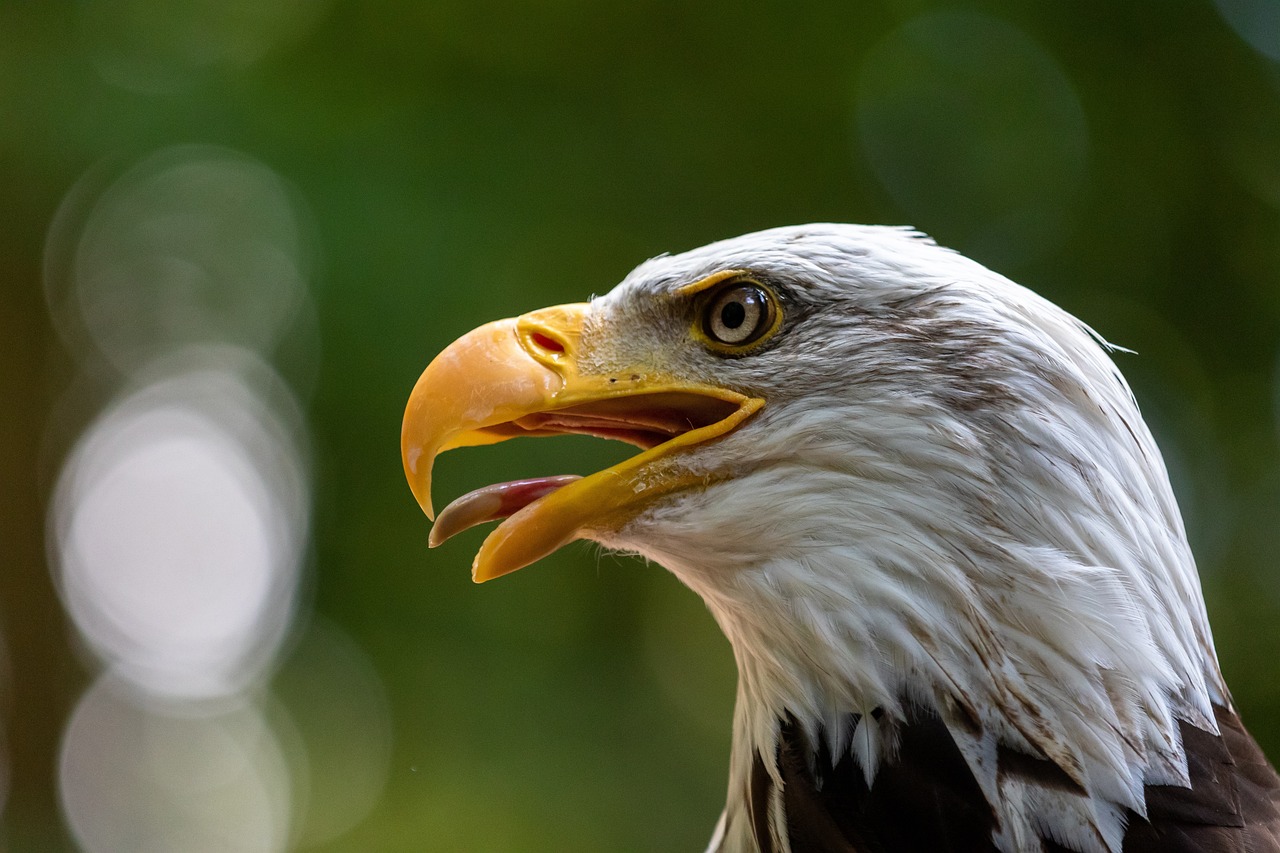
| Eagle head portrait | Power, alertness, independence, protection | Be careful with added feathers, beadwork, or “tribal” patterns that imply a culture you cannot identify |
| Eagle feather | Honor, prayer, achievement, transition, remembrance | High cultural sensitivity because eagle feathers can hold sacred or ceremonial significance |
| Eagle with feather headdress | Often intended to suggest bravery or heritage | High appropriation risk, especially when it treats earned regalia as decoration |
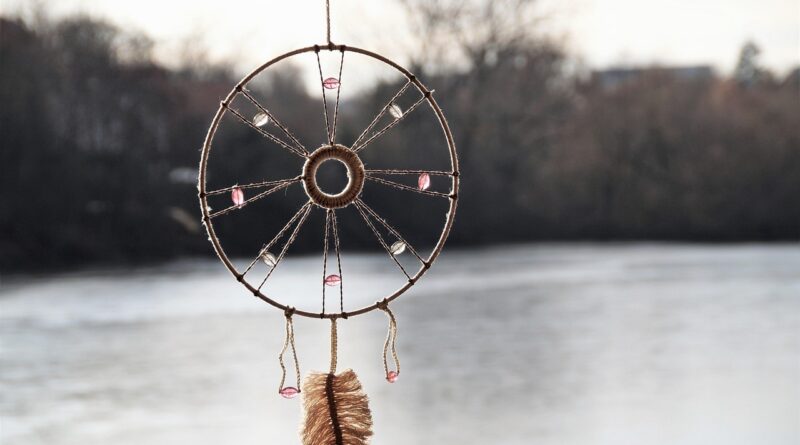
| Eagle with dreamcatcher, wolf, teepee, or generic symbols | Often marketed as “Native-inspired” | Can flatten many nations into a stereotype and combine unrelated traditions |
| Specific tribal art style | Connection to a particular visual tradition | Should not be copied without cultural knowledge, correct attribution, and permission when appropriate |
This is the context many tattoo inspiration pages leave out. The issue is not that every eagle is unsafe or that every eagle is automatically respectful. The risk comes from styling, source material, cultural context, and whether the tattoo claims sacred meaning or cultural status without a real connection.
Appreciation or appropriation?
Cultural appreciation starts with learning, humility, and context. Cultural appropriation happens when a symbol, practice, or visual language is taken from a culture without understanding, permission, or respect for the people who carry it. Native Governance Center resources on cultural appropriation emphasize that appropriation can cause harm even when the person borrowing the image does not intend disrespect.
For tattoos, the question is practical rather than abstract. Ask yourself:
- Am I claiming a Native identity, honor, spiritual role, or achievement that I do not have?
- Did this design come from a specific tribe, artist, ceremony, family object, or piece of regalia?
- Can I name the cultural source accurately, or am I relying on a search result labeled “Native American style”?
- Would the design still work if I removed the headdress, feather bundle, dreamcatcher, or faux-tribal pattern?
- Am I working with an artist who understands the difference between respectful reference and copying?
- Can I explain the tattoo without saying only that it “looks cool”?
For Native clients, an eagle tattoo may be connected to family, nation, ceremony, military service, community recognition, grief, or identity. Even then, protocols can vary, and some images may belong to particular families, societies, or ceremonial contexts. For non-Native clients, the safer path is usually to choose an eagle design that expresses personal values without imitating sacred or tribe-specific imagery.
Respectful design choices to consider
Choose the eagle you actually mean
If your intended meaning is freedom, resilience, leadership, or recovery after hardship, you may not need a Native-inspired design at all. A bald eagle in flight, a golden eagle silhouette, a naturalistic eagle head, or an eagle with landscape elements can communicate strength without borrowing ceremonial visual language. The more specific your personal meaning is, the less you need vague cultural decoration.
Avoid borrowed regalia and sacred objects
Feather headdresses, ceremonial pipes, medicine wheels, sacred bundles, and eagle feathers are not neutral accessories. Some are tied to earned status, prayer, leadership, ceremony, or nation-specific protocols. Using them as background decoration can make the tattoo read less like respect and more like costume imagery.
Do not copy tribal artwork from the internet
Many designs online are mislabeled, unattributed, or taken from Indigenous artists without credit. A design described only as “tribal eagle” may combine unrelated patterns or imitate a living art tradition without naming it. If you are drawn to a specific visual language, identify the nation, artist, and context before treating it as tattoo reference.
Use personal composition instead of cultural shortcuts
There are many ways to make an eagle tattoo meaningful without using sacred cues. You might choose an eagle flying through a storm for endurance, an eagle over mountains for perspective, an eagle paired with a non-sacred natural element, or a memorial date integrated into a landscape. Style can also shape the meaning: black and gray realism for solemnity, American traditional for boldness, fine line for restraint, or geometric framing for balance. See also: tattoo care.
Work with artists who know their limits
A responsible tattoo artist should be willing to say when a reference is outside their knowledge. Be cautious of anyone selling “authentic Native” designs without naming a specific source, community, or artist. If your design is connected to your own Indigenous heritage, consider working with an Indigenous tattoo artist or someone recommended by your community.
Placement, size, and style considerations
Beyond cultural meaning, an eagle tattoo needs enough room to age well. Eagle heads, wings, talons, and feather texture can blur if they are packed into a small area. A highly detailed shoulder, upper arm, chest, thigh, or back piece usually holds better than a tiny design with many feathers and fine lines.
Placement also affects how public the tattoo becomes. A forearm or hand tattoo invites more questions than a shoulder blade or upper arm piece. That matters when the design references Native culture. If you would feel uncomfortable explaining the tattoo clearly and respectfully, the design may not be ready.
Black and gray realism can emphasize weight and detail, while color can highlight the natural contrast of the bald eagle’s white head and dark body. American traditional eagles use simplified shapes and bold outlines, which may age well but can shift the meaning toward military, patriotic, or old-school tattoo culture rather than Indigenous symbolism. Fine-line feathers may look elegant at first, but very thin lines can soften over time, especially on high-friction areas.
For more articles that explore symbolism, placement, and cultural context across tattoo traditions, visit our tattoo culture section.
Before you book the appointment
A thoughtful decision process can prevent regret. Use this checklist before sending reference images to an artist:
- Define your meaning. Write one sentence explaining why you want an eagle tattoo.
- Remove vague labels. Replace “Native style” with a specific source, or avoid the reference.
- Check for sacred elements. Be especially cautious with eagle feathers, headdresses, pipes, medicine wheels, and ceremonial objects.
- Avoid identity claims. Do not use a tattoo to suggest tribal belonging, spiritual authority, or earned honor you do not hold.
- Credit living artists. Do not copy an Indigenous artist’s work from social media, museum collections, clothing, or prints.
- Ask better questions. Instead of asking whether anyone can stop you, ask whether the tattoo is accurate, necessary, and respectful.
- Be ready to explain it. A permanent public symbol should have a clearer reason than trend or aesthetics.
The most respectful outcome may be a design that still includes an eagle but removes Native-coded styling. That does not weaken the tattoo. It can make the meaning more honest because the image comes from your own story rather than borrowed cultural authority.
Frequently asked questions
Is a Native American eagle tattoo offensive?
It depends on the design, the wearer, and the cultural source. A naturalistic eagle tattoo is different from a tattoo that imitates eagle feathers, headdresses, sacred objects, or a specific tribal art style. Designs that claim Native identity or ceremonial meaning without connection are more likely to be viewed as disrespectful.
Can a non-Native person get an eagle tattoo?
Yes, a non-Native person can get an eagle tattoo, but it is wiser to keep the design focused on the eagle as an animal or personal symbol rather than presenting it as Native American. Avoid generic “tribal” styling, copied Indigenous artwork, and sacred regalia.
Is an eagle feather tattoo more sensitive than an eagle tattoo?
Often, yes. Eagle feathers can carry sacred, ceremonial, and honor-based meanings in many Native communities. A feather tattoo may look simple, but it can imply a cultural status or spiritual connection that should not be treated casually.
What is a safer alternative to a Native-inspired eagle design?
Consider a realistic eagle, a flying eagle silhouette, an eagle with mountains or sky, or an American traditional eagle without Native-coded elements. These options can still express strength, freedom, protection, or remembrance without borrowing sacred imagery.
Should I ask a Native friend for permission?
A conversation can help, but one person cannot speak for all Native nations or traditions. If the design references a specific tribe, art style, or ceremonial object, seek accurate cultural context and consider whether the image should be used at all.