Are Tattoo Designs For Men Like Lions And Clocks Sending The Wrong Message
Tattooist Shares the Men’s Inkings That Are MASSIVE Red Flags & It’s Bad News if Your Bloke Has a Clock or Lion Etching
In the world of tattoo designs for men, certain motifs have become almost predictable—lions roaring across chests, clocks frozen in time, compasses pointing nowhere in particular. Yet behind these familiar images lies a deeper conversation about identity and intent. Professional tattooists increasingly describe these choices as “red flags,” not because of poor artistry but due to what they may reveal about personality and motivation. The lion and clock tattoos, once symbols of strength and reflection, now often signal insecurity disguised as dominance. This article examines how male tattoo symbolism has evolved from cultural heritage to psychological statement, exploring why some ink choices might say more than their wearers intend.
Symbolism and Perception in Men’s Tattoo Designs
Body art among men has always been more than decoration; it operates as a coded language of values and aspirations. Each motif carries centuries of inherited meaning that interacts with modern ideals of masculinity.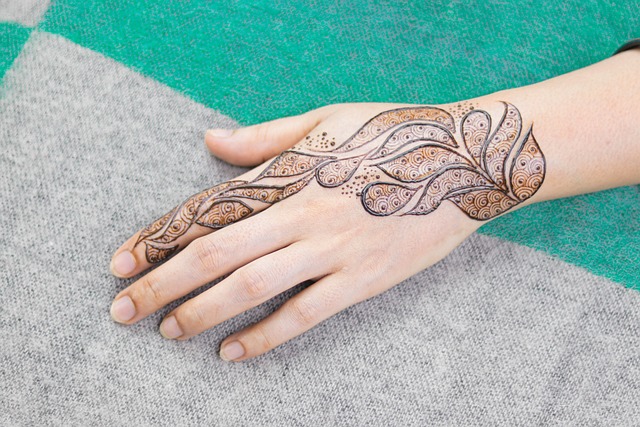
The Cultural Significance of Common Male Tattoo Motifs
Lions, clocks, and compasses appear repeatedly across cultures because they express enduring human concerns: power, time, and direction. In ancient empires, the lion represented kingship and divine authority. The compass emerged as a sailor’s safeguard against chaos, while the clock became a memento mori in European art—reminders that time governs all pursuits. In contemporary tattoo designs for men, these images still signal control and endurance but often through aesthetic repetition rather than personal revelation.
The Role of Symbolism in Male Identity Expression
Tattoos act as visual biographies. For many men, selecting a symbol is an attempt to narrate inner convictions or ambitions. Yet this storytelling can either affirm or resist traditional masculinity. A lion tattoo might reinforce dominance; a minimalist geometric piece might challenge it by embracing restraint or ambiguity. Psychologists note that such choices reflect not only taste but also self-perception—how one wishes to be seen within social hierarchies.
The Lion Tattoo: Strength or Superiority Complex?
The lion remains one of the most popular masculine emblems worldwide. However, its psychological readings have grown more complex as cultural contexts shift.
Historical and Psychological Interpretations of the Lion Motif
Historically tied to courage and nobility, the lion appeared on coats of arms and royal crests as proof of valor. Modern interpretations vary: some view it as confidence embodied; others see compensation for perceived weakness. Behavioral analysts suggest that overtly dominant imagery can sometimes mask fragile self-esteem rather than express authentic assurance.
The Social Perception of Lion Tattoos Among Men
Public reaction to lion tattoos often mirrors societal expectations of male assertiveness. In professional environments, such ink can influence assumptions about aggression or leadership style. Tattooists report that clients drawn to this motif frequently emphasize control or dominance during consultations—a tone consistent with the animal’s symbolic hierarchy.
Clock Tattoos: Philosophical Depth or Emotional Avoidance?
If lions roar about power, clocks whisper about mortality. Yet even this introspective symbol has become subject to cliché through overuse.
The Symbolic Weight of Time in Body Art
Clock tattoos traditionally evoke reflection on life’s brevity or pivotal moments—a birth date frozen at significance or an hour marking loss. For some men, they represent ambition constrained by time; for others, regret over opportunities missed. But as identical designs proliferate on social media feeds, their emotional authenticity becomes harder to read.
Interpretation Challenges and Miscommunication Through Imagery
Observers may misread clock tattoos as decorative rather than meaningful simply because they’ve seen them too often. This repetition erodes individuality within body art culture and raises questions about conformity disguised as expression. Analysts debate whether such trends reflect comfort in shared symbolism or fear of standing apart.
Tattoo Trends as Indicators of Masculine Archetypes
Tattoo studios worldwide reveal patterns that mirror broader gender narratives rather than isolated artistic choices.
Popular Design Patterns Among Male Clients
Across demographics, lions, clocks, compasses, wings, and Roman numerals dominate appointment books. Together they emphasize mastery over fate—control of direction, endurance through adversity—all central masculine archetypes since antiquity. The recurrence suggests collective reinforcement more than spontaneous creativity.
The Influence of Media and Social Platforms on Design Choices
Digital culture accelerates these repetitions. Viral tattoo photos circulate endlessly through influencer pages where aesthetics outweigh introspection. As certain motifs trend online, they become shorthand for “masculine ink,” narrowing stylistic diversity among male clients who subconsciously seek validation through replication.
Professional Insights From Tattoo Artists on Red Flag Designs
Tattooists occupy a unique vantage point between psychology and artistry; their observations reveal patterns invisible to casual viewers.
Behavioral Patterns Observed During Consultations
Experienced artists describe recurring behaviors among clients requesting dominant symbols like lions or crowns: assertive speech patterns, fixation on size over nuance, reluctance to discuss emotional context. Some use tattoos as armor—physical manifestations of control when internal stability feels uncertain.
Ethical Considerations for Artists When Advising Clients
Responsible professionals balance respect for client autonomy with guidance toward authenticity. Many caution against overused motifs not out of disdain but concern for meaning dilution. Encouraging dialogue about intention helps redirect focus from external validation toward personal resonance—a practice essential for maintaining artistic integrity within tattoo culture.
Evolving Perspectives on Masculinity Through Body Art
Masculine tattoo aesthetics are no longer confined to hyper-dominant imagery; subtle shifts indicate broader cultural change toward emotional transparency.
Shifting Attitudes Toward Vulnerability in Men’s Tattoos
Recent years show growing acceptance of themes like healing or transformation expressed through abstract lines or minimalist symbols instead of roaring beasts or ticking clocks. Such evolution mirrors societal openness to vulnerability as strength rather than weakness—a redefinition slowly reshaping how men mark their skin stories.
Future Directions in Male Tattoo Aesthetics and Interpretation
Experts foresee movement toward narrative-driven work where every element connects personally rather than symbolically repeating tradition. Fine-line realism and conceptual art are gaining traction among younger clients seeking depth beyond archetype. Continuous dialogue between artist and wearer will determine whether future tattoos serve ego projection or genuine storytelling within male identity construction.
FAQ
Q1: Why are lion tattoos considered red flags by some tattooists?
A: Because they often symbolize dominance or control rather than introspection; repeated requests suggest insecurity masked by power imagery.
Q2: What do clock tattoos usually mean?
A: They traditionally represent reflection on time’s passage but have become common enough to risk appearing superficial without personal context.
Q3: How do social media trends affect tattoo choices?
A: Viral posts amplify specific motifs until they define what looks “masculine,” leading many men to choose similar designs unconsciously seeking approval online.
Q4: Are modern men moving away from traditional masculine tattoos?
A: Yes, there is increasing interest in minimalist or emotionally expressive pieces reflecting vulnerability instead of aggression.
Q5: What advice do professional artists give when clients request cliché symbols?
A: They encourage conversation about motivation and may suggest alternatives that align better with individual stories rather than mass trends.