How Does the Fish Polynesian Tattoo Reflect Maui’s Symbolism in Moana
What Maui’s Tattoos in ‘Moana’ Say About Polynesia’s Tattoo Culture
Maui’s tattoos in Moana are more than decorative art; they act as living archives of Polynesian spirituality and identity. The film’s design draws from centuries-old traditions where tattoos, or tatau, represent lineage, divine connection, and balance with nature. By blending mythological storytelling with authentic visual codes, Moana transforms the animated body of Maui into a cultural manuscript. His fish tattoo, in particular, embodies the deep relationship between Pacific peoples and the ocean—a symbol of creation, sustenance, and transformation that continues to shape Polynesian heritage today.
The Cultural Foundations of Polynesian Tattoo Art
The artistry of Polynesian tattooing is inseparable from its cosmological roots. Across Samoa, Tahiti, and Hawaii, tattooing once marked the transition between life stages and affirmed one’s place within ancestral networks. It was never mere ornamentation but a dialogue between human skin and divine order.
The Origins and Spiritual Role of Tattoos in Polynesia
The word tatau originates from the rhythmic tapping sound made during the traditional process. In ancient times, receiving a tattoo was both a physical and spiritual ordeal. Ritual specialists performed chants to summon ancestral spirits while tools carved patterns into the skin using natural pigments. Each line symbolized courage and devotion. Tattoos indicated social rank—chiefs bore more intricate motifs—while others reflected genealogy or personal achievements. Through this sacred act, individuals inscribed their identity within the broader cosmic narrative.
Symbolism of Marine Life in Polynesian Tattoo Tradition
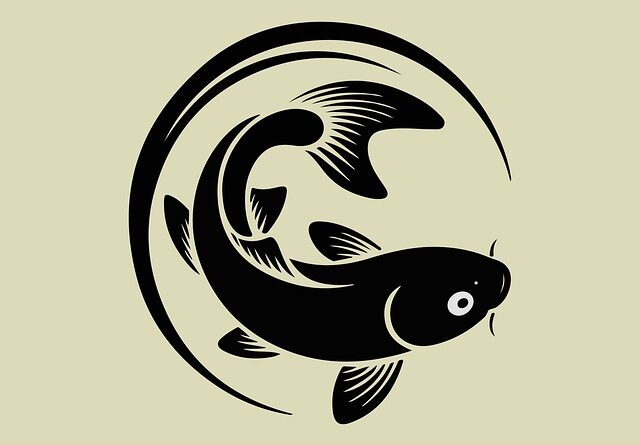
Marine imagery holds exceptional weight in Polynesian iconography. Fish designs often symbolize abundance and guidance from sea deities, while turtles represent longevity and safe passage across life’s currents. Sharks embody protection and adaptability—qualities vital for seafaring cultures surrounded by vast waters. The ocean itself was viewed as both ancestor and realm of spirits; thus, marine motifs reinforced harmony between human existence and natural forces. A fish polynesian tattoo not only celebrated livelihood but also paid homage to divine guardians dwelling beneath the waves.
Maui’s Tattoos as a Narrative Device in Moana
Disney’s portrayal of Maui reimagines these ancient codes through animation that moves, speaks, and interacts with its bearer. His tattoos form a visual biography that turns mythology into motion.
The Function of Tattoos in Depicting Maui’s Mythology
Maui’s body art functions as an illustrated chronicle of his legendary feats—lassoing the sun, pulling islands from the sea, stealing fire for humankind. Each animated figure retells stories passed down through oral tradition. These tattoos externalize his heroic essence; they are not static symbols but living memories that communicate pride, mischief, and humility alike. In this sense, Maui’s skin becomes both scripture and stage for cultural storytelling.
The Representation of the Fish Tattoo within Maui’s Body Art
Among his many markings, the fish motif stands out for its mythic resonance. It references tales where Maui uses a magical hook to draw islands from ocean depths—a metaphor for creation itself. This image links him to fishermen who sustain communities through skill and respect for marine cycles. The fish tattoo thus signifies mastery over nature tempered by reverence for it. It embodies themes of transformation: from hunter to creator, mortal to demigod.
Interpreting the Fish Polynesian Tattoo through Symbolic Frameworks
The fish motif operates on multiple symbolic levels within Polynesian art theory: ecological harmony, fertility, continuity, and sacred kinship with marine life.
Iconographic Analysis of the Fish Motif
In traditional iconography, fish symbolize vitality and renewal due to their role in sustaining island societies. Repeated fish patterns suggest communal abundance rather than individual possession—an ethos central to Pacific cultures valuing shared prosperity over personal gain. Their stylized geometric forms echo rhythmic waves or flowing currents that mirror life’s cyclical nature. Such visual rhythm reinforces balance between humanity and environment.
Comparative Symbolism Across Polynesian Islands
Regional variations reveal nuanced interpretations: Samoan artisans emphasize social rank through scale patterns; Tahitian designs favor curved fins denoting navigation; Maori carvings integrate spiral motifs symbolizing growth and ancestry. Despite these differences, all treat marine creatures as spiritual relatives rather than mere resources. In Moana, designers synthesized these elements into a unified aesthetic accessible worldwide without erasing local authenticity—a delicate equilibrium between specificity and universality.
Visual Semiotics and Cultural Authenticity in Moana’s Design Choices
Animating sacred symbols demanded careful negotiation between ethnographic respect and cinematic clarity. The creative team worked closely with cultural advisors to maintain integrity while adapting complex motifs for screen readability.
Artistic Interpretation versus Ethnographic Accuracy
Disney consulted members of the Oceanic Story Trust—scholars, artists, navigators—to guide representation choices. Simplified linework ensured global audiences could read motifs quickly without losing symbolic coherence rooted in indigenous logic. This collaboration highlights an ongoing debate: how far can creative adaptation go before it distorts heritage? While some critics argue simplification risks dilution, others see it as necessary translation across mediums.
How Maui’s Tattoos Bridge Mythology and Modern Media Representation
Maui’s animated tattoos act almost like secondary characters—they gesture independently to express conscience or humor. This innovation mirrors oral storytelling traditions where images come alive through voice and movement. By transforming static body art into kinetic narrative agents, Moana bridges ancient mythic expression with digital storytelling technology. It shows how ancestral symbolism can evolve without losing its moral gravity or emotional depth.
Broader Implications for Understanding Polynesian Identity Through Visual Culture
Beyond cinema screens lies a revival movement across Pacific communities reclaiming tattoo heritage as living practice rather than museum relic.
Tattoos as Living Heritage in Modern Polynesia
Contemporary artists reinterpret ancestral designs using modern tools but preserve traditional meanings tied to family lineage or island origin. Tattoo studios across Samoa or Hawaii now serve as cultural classrooms where elders transmit stories encoded within patterns to younger generations. This resurgence strengthens identity amid globalization pressures while sparking debates about appropriation when outsiders adopt sacred motifs like the fish design without context.
The Enduring Significance of Oceanic Symbols in Collective Memory
Marine imagery continues shaping Pacific Islanders’ worldview where humanity coexists with oceanic forces rather than dominates them. Artistic expressions—from tattoos to woven mats—reaffirm gratitude toward nature as provider and teacher. Through films like Moana, ancient symbols such as Maui’s fish tattoo reenter global consciousness reminding audiences that sustainability begins with reverence for origin myths still breathing beneath modern skin.
FAQ
Q1: Why are tattoos considered sacred in Polynesian culture?
A: They serve as spiritual contracts linking individuals with ancestors and deities while marking social milestones such as adulthood or leadership initiation.
Q2: What does a fish polynesian tattoo symbolize?
A: It represents abundance, fertility, guidance from sea spirits, and harmony between humans and marine ecosystems central to island life.
Q3: How did Disney ensure authenticity when designing Maui’s tattoos?
A: Cultural experts from various Pacific nations advised on symbolism ensuring motifs retained genuine meaning despite stylization for animation clarity.
Q4: Are traditional tattooing methods still practiced today?
A: Yes, many artists continue using hand-tapping techniques alongside modern machines preserving ritual elements like chanting during sessions.
Q5: What broader message does Maui’s body art convey about Polynesia?
A: It illustrates how mythology functions as living history—where every mark on skin narrates resilience, creativity, and enduring respect for nature intertwined with identity itself.