
Is Tattoo Cream Healing the Key to Optimal Post-Tattoo Recovery
You Just Got a Tattoo. How Do You Look After It?
A fresh tattoo is an open wound that demands precise care to heal properly. The right tattoo cream healing routine prevents infection, preserves pigment, and supports the skin’s natural regeneration. Experts recommend using clinically formulated creams that balance hydration and protection instead of relying on generic moisturizers. This approach keeps the tattoo vibrant and reduces complications like scabbing or fading. Post-tattoo care isn’t just cosmetic—it’s a biological process that determines how well the artwork endures.
Understanding the Role of Tattoo Cream in the Healing Process
Tattooing breaks the skin barrier, initiating a cascade of repair mechanisms. Each stage of recovery—from inflammation to tissue remodeling—depends on how well the skin is supported externally. Tattoo creams are designed to complement these natural processes by maintaining moisture balance and preventing infection.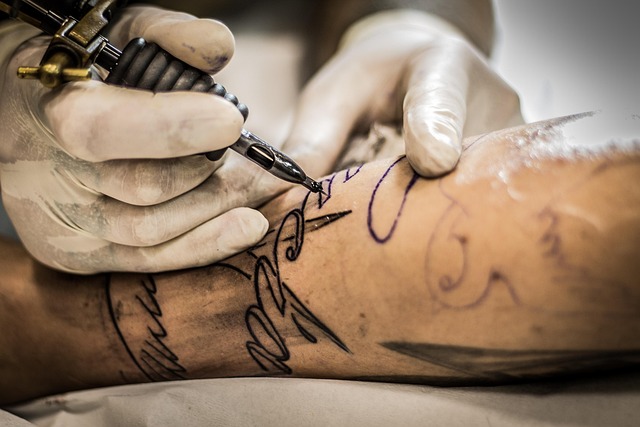
The Science Behind Skin Regeneration After Tattooing
Tattooing creates controlled micro-injuries that activate immune responses. The body sends white blood cells to remove debris while fibroblasts produce collagen to rebuild the dermal structure. This sequence mirrors wound healing but with added pigment retention challenges. Hydration and gentle topical protection help regulate inflammation, allowing epithelial cells to regenerate evenly without disrupting ink particles embedded in the dermis.
How Tattoo Cream Healing Supports Skin Recovery
Tattoo cream healing focuses on maintaining hydration without suffocating the skin. Ingredients such as panthenol, shea butter, and vitamin E enhance epithelial repair by supplying essential lipids and antioxidants. These compounds reinforce barrier function, keeping moisture in while shielding against bacteria. A balanced level of hydration minimizes itching and prevents scab formation, ensuring pigment remains stable during recovery.
Key Components of Effective Tattoo Healing Creams
Choosing a suitable formulation can determine whether a tattoo heals cleanly or develops issues like patchy color or irritation. Professionals assess ingredient lists for both active benefits and potential irritants before recommending any product.
Active Ingredients That Promote Regeneration
High-quality tattoo creams often include natural emollients like shea butter or jojoba oil that restore lipid layers and prevent transepidermal water loss. Antioxidants such as vitamin E counter oxidative stress caused by needle trauma, while anti-inflammatory botanicals like chamomile extract reduce redness without hindering cell turnover. These elements collectively support smoother regeneration and stronger pigment fixation.
Formulations to Avoid During Post-Tattoo Care
Petroleum-heavy ointments can trap heat and bacteria beneath the surface, slowing oxygen exchange critical for tissue repair. Fragrances or alcohol-based additives may provoke irritation on freshly tattooed skin already under stress. Overly thick formulations also impede breathability, leading to prolonged swelling or delayed peeling phases that compromise color quality.
Phases of Tattoo Healing and the Role of Topical Care
Healing unfolds in distinct phases, each requiring specific attention to hygiene and moisture management. The right cream applied at the right time helps synchronize biological repair with aesthetic preservation.
Immediate Post-Tattoo Phase (First 48 Hours)
During this window, plasma leakage mixes with excess ink on the surface. Gentle cleansing using pH-balanced soap removes residue without stripping protective oils. A thin layer of sterile tattoo cream should be applied afterward to maintain a clean environment while supporting initial closure of micro-wounds. Artists sometimes use occlusive wraps briefly to shield from contaminants but advise removing them within hours to prevent maceration.
Intermediate Phase (Days 3–14)
As new epidermal cells form, mild flaking begins—an indicator of regeneration rather than damage. Regular application of lightweight tattoo creams reduces tightness and discomfort while preventing cracks that could distort color gradients. Avoiding direct sunlight is crucial at this stage since UV exposure destabilizes pigment molecules before they settle fully into dermal layers.
Long-Term Skin Maintenance (After Two Weeks)
Once peeling subsides, ongoing hydration sustains elasticity around tattooed areas. Using light moisturizers formulated for tattoos enhances longevity by keeping pigments encapsulated within healthy collagen networks. Adding SPF protection becomes essential since ultraviolet radiation accelerates photodegradation even months after healing appears complete.
Comparing Tattoo Creams with Alternative Healing Methods
Tattoo aftercare traditions vary widely—from oil-based remedies to dry-healing philosophies—but clinical evidence increasingly favors controlled moisturization through purpose-built formulations.
Natural Oils Versus Formulated Tattoo Creams
Natural oils like coconut or jojoba hydrate effectively yet lack targeted actives that promote wound repair or antimicrobial defense. Professionally formulated tattoo creams combine hydrating bases with antiseptic agents tested for compatibility across diverse skin types. Dermatologists typically prefer these balanced formulas because they deliver predictable healing outcomes without over-softening scabs or diluting ink density.
Dry Healing Approaches: Benefits and Drawbacks
Some artists advocate dry healing—leaving tattoos uncovered with no cream—to allow scabs to form naturally. While this method can work for small designs in sterile conditions, it increases risks of uneven pigment retention due to premature flaking or scratching from dryness-induced itching. Controlled hydration via modern tattoo creams maintains flexibility in regenerating tissue, promoting consistent color distribution across larger pieces.
Professional Recommendations for Optimal Post-Tattoo Recovery Practices
Effective aftercare integrates product choice with disciplined hygiene habits and environmental awareness. Professional oversight during recovery minimizes long-term imperfections such as blowouts or raised scars.
Integrating Tattoo Cream into a Comprehensive Aftercare Routine
Before each application, cleansing with fragrance-free soap removes contaminants without disrupting healing tissue pH levels. Applying a thin layer of cream ensures sufficient moisture without clogging pores; excess product should be gently blotted away rather than rubbed in aggressively. Frequency may vary depending on humidity levels or personal skin sensitivity—dry climates often require more frequent reapplication than humid environments.
Monitoring Healing Progress and Identifying Complications Early
Persistent redness beyond one week or any discharge indicates possible infection requiring prompt medical evaluation rather than self-treatment adjustments. Proper adherence to aftercare reduces risks such as pigment blowouts where ink spreads irregularly beneath the surface or hypertrophic scarring from chronic irritation. Collaboration between professional artists and dermatologists fosters evidence-based care protocols tailored for individual physiology.
FAQ
Q1: How soon should tattoo cream be applied after getting a tattoo?
A: It should be applied immediately after cleaning once the artist removes any protective film, maintaining sterility during early recovery hours.
Q2: Can petroleum jelly substitute for specialized tattoo cream?
A: No, petroleum jelly blocks airflow needed for regeneration and may trap bacteria under the surface layer.
Q3: When is it safe to expose a new tattoo to sunlight?
A: Only after full epidermal closure—usually two weeks—while using SPF protection rated at least 30+ thereafter.
Q4: Is it normal for tattoos to peel during healing?
A: Yes, light peeling indicates new cell growth; however excessive flaking suggests dehydration requiring better moisturization balance.
Q5: Should different skin types use different tattoo creams?
A: Yes, oily skin benefits from lighter water-based formulas while dry skin responds better to richer emollient blends containing shea butter or ceramides.