
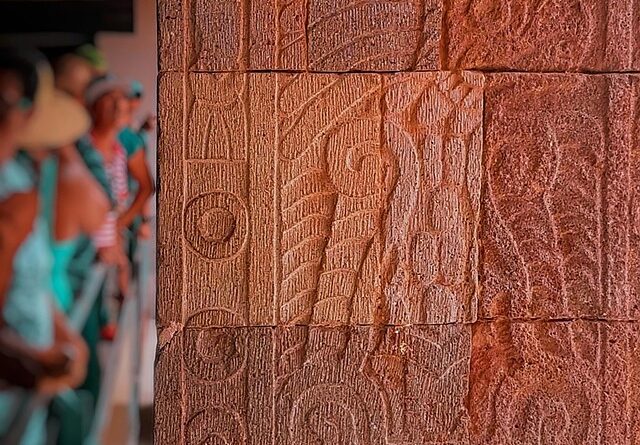
Are Aztec and Mayan Tattoos Causing Unjust Deportations Worldwide
People Are Being Deported Because of Their Tattoos
Visible tattoos once celebrated as cultural heritage have become grounds for suspicion in immigration systems. Across several countries, migrants with Aztec and Mayan tattoos are being profiled, detained, or even deported because authorities misread these designs as gang insignia. The issue lies not in the art itself but in institutional misclassification. When indigenous symbols are stripped of their context, they are wrongly treated as criminal markers. This article examines how such misinterpretations shape deportation outcomes, the legal implications of tattoo-based profiling, and what policy reforms could prevent cultural identity from becoming a liability at the border.
Cultural Tattoos and Immigration Policies?
Tattoo symbolism has long been intertwined with cultural identity. Yet within modern immigration systems, these same symbols often trigger suspicion rather than respect.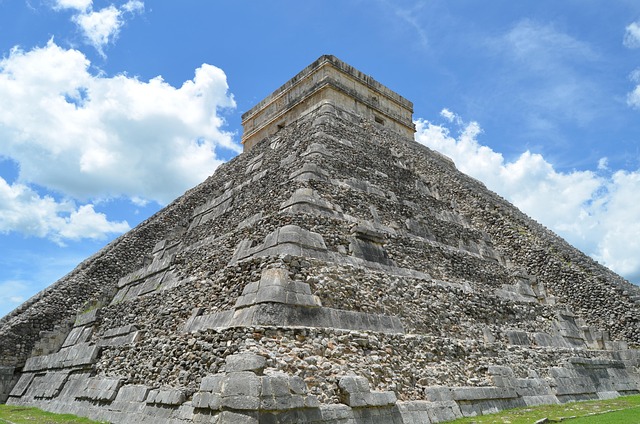
Historical Significance of Aztec and Mayan Tattoos
In pre-Columbian societies, Aztec and Mayan tattoos were more than decoration. They reflected lineage, spiritual devotion, and social position. Warriors bore marks representing gods like Huitzilopochtli or Kukulkan to invoke divine protection before battle. Priests carried sacred motifs tied to rituals of renewal and fertility. These designs encoded cosmology into skin—a living manuscript of faith and ancestry.
Today, descendants continue this tradition as an act of remembrance. Tattoo artists across Mexico and Central America reinterpret ancient glyphs using contemporary techniques while preserving their sacred geometry. For many migrants, carrying such tattoos abroad is a way to keep ancestral roots visible amid displacement.
Misinterpretation of Indigenous Symbols in Modern Contexts
Modern institutions rarely differentiate between cultural motifs and criminal emblems. Law enforcement databases often categorize certain geometric patterns or warrior figures as affiliated with Central American gangs simply because similar imagery appears in unrelated contexts. Officers unfamiliar with indigenous iconography may assume that any bold blackwork tattoo from Latin America signals gang membership.
This lack of cultural literacy creates serious consequences during immigration interviews or asylum screenings. Applicants have reported being questioned about tattoos depicting eagles or serpents—symbols revered by Aztec mythology—as if they were coded messages for organized crime groups. Such errors distort both personal histories and legal evaluations.
The Role of Tattoo Identification in Deportation Procedures?
Tattoos have become a key part of biometric identification systems used by immigration agencies worldwide.
How Tattoos Are Used in Immigration Enforcement
During detention or processing, officers photograph visible tattoos to document physical identifiers alongside fingerprints and facial scans. These images feed into shared law enforcement databases that aim to track criminal networks across borders. However, when these databases include unverified associations between specific tattoo styles and gang activity, they risk embedding bias into automated screening tools.
In practice, visual evidence alone can influence how risk assessments are scored or whether asylum claims are flagged for further investigation. A single tattoo referencing Aztec mythology might be entered into a file under “possible gang-related symbol,” shaping case outcomes before any personal testimony is heard.
The Risks of Symbolic Misclassification
When Aztec or Mayan motifs are mistaken for gang insignia, migrants face disproportionate scrutiny at every procedural stage—from initial questioning to final deportation hearings. Some have been denied entry or had asylum petitions rejected solely because an officer interpreted their tattoos as proof of criminal affiliation without corroborating evidence.
Legal reviews show cases where deportation orders rested primarily on tattoo photographs rather than documented behavior or criminal records. Such reliance on visual profiling undermines due process by equating heritage art with threat indicators.
Legal and Ethical Dimensions of Tattoo-Based Deportations?
Deporting individuals based on body art raises complex questions about rights to culture and expression within international law frameworks.
International Human Rights Considerations
Freedom of expression encompasses the right to display cultural identity through appearance, including tattoos that reflect spiritual beliefs or ethnic heritage. Deporting someone because their body art resembles a misclassified symbol can violate protections established under human rights conventions that prohibit discrimination based on culture or religion.
International organizations emphasize that states must assess claims individually rather than relying on generalized assumptions about appearance or origin. When authorities conflate indigenous iconography with criminality, they risk breaching obligations under treaties safeguarding minority rights.
Ethical Implications for Immigration Authorities
Beyond legality lies an ethical duty: immigration agencies operate at the intersection of security enforcement and humanitarian responsibility. Overreliance on visual profiling reduces complex human stories to surface-level judgments. Officers tasked with evaluating risk should receive training in regional tattoo traditions so they can distinguish between artistic heritage and illicit symbolism.
Ethically grounded practice demands proportionality—balancing public safety concerns with respect for identity expression—and transparency in how tattoo evidence is collected and interpreted during proceedings.
The Intersection of Culture, Identity, and Global Migration Policy?
Migration systems increasingly confront the tension between cultural visibility and bureaucratic categorization.
The Cultural Identity Dilemma in Migration Systems
For many Latin American migrants, aztec and mayan tattoos serve as visible affirmations of belonging amid transnational movement. Yet these same emblems become contested within border control environments where officials prioritize security over cultural nuance. Policies rarely differentiate between heritage art rooted in millennia-old civilizations and iconography later adopted by modern gangs for entirely different purposes.
The result is a paradox: expressions meant to preserve ancestral memory instead expose bearers to suspicion within institutions designed to regulate mobility.
Toward Culturally Informed Immigration Practices
Integrating anthropological expertise into immigration review processes could significantly improve accuracy when evaluating symbolic evidence like tattoos. Collaboration between scholars specializing in Mesoamerican art history and enforcement bodies would allow case officers to interpret imagery through its authentic cultural lens rather than through law enforcement stereotypes.
Such interdisciplinary cooperation promotes procedural fairness while reinforcing broader commitments to diversity within migration governance frameworks.
Strategies to Prevent Unjust Deportations Linked to Cultural Tattoos?
Reforming current practices requires structural change across policy design, officer education, and oversight mechanisms.
Policy Recommendations for Immigration Agencies
Standardizing Tattoo Assessment Protocols
Immigration authorities should adopt standardized guidelines distinguishing cultural artwork from criminal symbols using input from academic experts on indigenous iconography. A centralized reference database curated by historians could replace ad hoc visual comparisons currently used during screenings.
Enhancing Officer Training Programs
Training curricula must include modules explaining regional tattoo traditions from Latin America—covering stylistic features unique to Aztec calendars or Mayan glyphs—to prevent wrongful classification during field assessments.
Implementing Review Mechanisms for Tattoo-Based Evidence
Before any deportation decision cites tattoos as supporting evidence, independent verification should be mandatory through external consultants familiar with relevant cultures or art forms.
Advocacy and Public Awareness Efforts
Role of Legal Organizations and NGOs
Legal aid groups play a crucial role by representing individuals affected by tattoo-based profiling while also running public education campaigns that highlight the difference between indigenous symbolism and gang imagery.
Promoting Academic Research on Tattoo Misclassification
Encouraging interdisciplinary research connecting anthropology, migration law, and data ethics would provide empirical foundations for reform initiatives aimed at reducing wrongful deportations linked to symbolic misreading.
FAQ
Q1: Why are aztec and mayan tattoos often misinterpreted by immigration officers?
A: Many officers rely on outdated gang databases that fail to distinguish ancient Mesoamerican motifs from modern street-gang symbols, leading to mistaken associations during screenings.
Q2: Can someone be deported solely because of their tattoo?
A: Yes, there have been documented cases where tattoo imagery was treated as primary evidence of alleged gang ties despite no supporting criminal record or behavioral proof.
Q3: What legal protections exist against such deportations?
A: International human rights laws protect freedom of expression and prohibit discrimination based on culture; these can be invoked when deportations stem from misread cultural symbols.
Q4: How can agencies avoid wrongful profiling?
A: By consulting experts in indigenous art history, implementing standardized evaluation protocols, and training officers on regional symbolism before linking any design to crime networks.
Q5: What role can academics play in policy reform?
A: Scholars can provide verified iconographic references that help distinguish heritage designs from contemporary gang markings, ensuring fairer treatment during immigration reviews.