
Is Unscented Lotion For Tattoo Healing Truly Essential For Experts
How to Take Care of a New Tattoo, According to an Expert
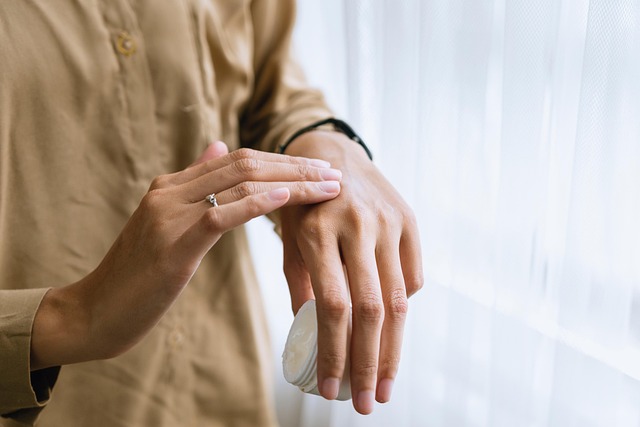
Caring for a new tattoo requires more than simple hygiene; it demands an informed approach grounded in dermatological science. Experts agree that using unscented lotion for tattoo recovery is one of the most effective ways to protect both skin and pigment integrity. Fragrance-free formulations minimize irritation, maintain hydration, and support the skin’s natural repair cycle. Proper aftercare helps prevent infection, accelerates healing, and ensures long-term color vibrancy. This article explores the scientific reasoning behind unscented lotions, their role in professional tattoo care, and practical guidelines for use.
The Role of Unscented Lotion in Tattoo Healing
Tattoo aftercare is both an art and a science. Once ink penetrates the dermal layer, the body begins its natural healing process. During this stage, maintaining moisture balance becomes essential to preserve pigment clarity and prevent complications such as scabbing or excessive dryness.
The Science Behind Skin Recovery After Tattooing
Tattooing causes thousands of micro-injuries across the skin’s surface. These small punctures compromise the barrier function, increasing sensitivity to environmental stressors like bacteria or friction. Hydration plays a vital role here: moisturized skin regenerates faster because water supports cellular turnover and collagen synthesis. When moisture levels drop too low, the skin tightens and cracks, potentially expelling pigment prematurely. A balanced environment—neither too dry nor too oily—allows epidermal cells to rebuild efficiently while sealing ink particles within stable tissue layers.
Why Fragrance-Free Formulations Are Recommended
Fragrances are among the most common irritants in cosmetic products. On freshly tattooed skin, even mild scents can trigger inflammation or allergic reactions due to disrupted lipid barriers. Unscented lotion for tattoo healing eliminates these risks by excluding volatile compounds that interfere with recovery. Moreover, many scented lotions contain alcohols or essential oils that can strip natural oils from the skin or alter pigment tone during healing. By contrast, fragrance-free formulas focus on hydration without unnecessary additives, preserving both color fidelity and tissue health.
Evaluating the Necessity of Unscented Lotion for Professionals
Professional tattoo artists and dermatologists consistently advocate for neutral formulations as part of standardized aftercare routines. Their recommendations stem from clinical observations showing that fewer additives correspond with smoother healing outcomes.
Expert Perspectives on Lotion Selection
Experienced artists choose products that protect ink vibrancy while avoiding pore blockage or irritation. Dermatologists add another layer of scrutiny: they prefer non-comedogenic and hypoallergenic ingredients that maintain barrier integrity without trapping bacteria. Establishing consistent aftercare advice also strengthens client confidence; when every artist promotes similar evidence-based methods, results become more predictable across different skin types.
Comparing Unscented and Scented Lotions in Practice
In real-world applications, scented lotions often contain alcohol derivatives or botanical extracts that may disrupt epidermal recovery by drying out sensitive tissue. Neutral lotions keep hydration steady without causing redness or itching. Controlled dermatological studies have shown measurable improvements in epidermal repair rates when patients used fragrance-free moisturizers compared with perfumed alternatives. For professionals seeking uniform outcomes across clients, unscented options remain the safer choice.
Key Ingredients That Support Tattoo Healing
The composition of an unscented lotion determines its effectiveness in post-tattoo care. The goal is simple: retain moisture while reinforcing the protective lipid barrier.
Hydrating Components Beneficial for Tattoo Aftercare
Humectants and Emollients in Unscented Lotions
Humectants like glycerin and hyaluronic acid attract water molecules from deeper layers toward the surface, keeping tattooed areas supple and preventing scabbing. Emollients such as shea butter or ceramides restore fatty acids lost during trauma, sealing microscopic cracks within the stratum corneum. Together they create a breathable film that protects against external pollutants while allowing oxygen exchange—a key factor in proper wound closure.
Avoiding Potentially Harmful Additives
Artificial dyes, parabens, or strong preservatives can irritate compromised tissue by disrupting pH balance or triggering contact dermatitis. Simple ingredient lists reduce these risks significantly because each component serves a clear functional purpose—hydration rather than fragrance enhancement or texture modification.
Professional Guidelines for Applying Unscented Lotion Post-Tattoo
Even premium formulations fail if applied incorrectly. Proper technique ensures consistent absorption and minimizes bacterial contamination during early healing phases.
Timing and Frequency of Application
Moisturizing should begin once plasma secretion subsides—typically within 24 hours after washing with mild antibacterial soap and lukewarm water. Applying a thin layer two to three times daily maintains steady hydration without suffocating pores or softening scabs excessively. Overuse can trap moisture beneath dead cells, delaying exfoliation; moderation remains key.
Techniques to Maximize Healing Efficiency
Ensuring Hygienic Application Practices
Clean hands are non-negotiable when touching new tattoos. Using disposable applicators can further reduce cross-contamination risk in studio environments where multiple clients share space. Lotions should be stored at room temperature away from direct sunlight to preserve stability; temperature fluctuations may degrade active ingredients like ceramides or glycerin over time.
Long-Term Benefits of Using Unscented Lotion in Tattoo Maintenance
Beyond initial recovery lies long-term preservation—a stage many clients underestimate but professionals emphasize strongly.
Enhancing Pigment Longevity and Skin Texture Over Time
Consistent moisturization prevents cracking that leads to fading lines or blurred edges years later. Balanced hydration also keeps dermal collagen flexible, maintaining both tactile smoothness and visual brightness across healed tattoos. In climates with low humidity or high UV exposure, unscented lotion for tattoo maintenance becomes an everyday necessity rather than an optional luxury.
Supporting Professional Standards in Tattoo Aftercare Protocols
Uniform product recommendations simplify training for apprentices and reinforce hygiene compliance within studios. When professionals align around evidence-based skincare principles—like avoiding fragrances—they elevate industry credibility overall. Clients notice this consistency; it communicates expertise as much as artistic skill does.
FAQ
Q1: Why is unscented lotion better than regular moisturizer for tattoos?
A: Regular moisturizers often include perfumes or alcohols that irritate open skin layers after tattooing; unscented formulas hydrate without triggering inflammation.
Q2: How soon should someone start applying lotion on a new tattoo?
A: Begin once plasma dries—usually after 24 hours—and continue several times daily until peeling stops completely.
Q3: Can petroleum-based ointments replace unscented lotion?
A: They can help initially but may clog pores if used beyond the first few days; switching to light unscented lotion supports breathable healing.
Q4: What happens if scented lotion is accidentally used?
A: Mild irritation might occur; rinsing gently with cool water usually resolves it unless redness persists longer than 24 hours.
Q5: Should unscented lotion be used even after full healing?
A: Yes; ongoing hydration maintains pigment brightness and prevents premature aging of tattooed areas over time.