
Is Tattoo Removal Aftercare Really the Key to Long-Term Skin Recovery
I Thought Removing My Tattoo Would Be Easy – Here’s the Reality a Year On
Tattoo removal often sounds straightforward until the process begins. A year into treatment, many realize that fading ink is only part of the story. The body’s biological response, laser precision, and post-procedure care all shape the final outcome. Proper tattoo removal aftercare determines whether skin heals evenly or develops long-term textural changes. This article examines the science behind pigment breakdown, factors influencing results, and why disciplined aftercare is as critical as the laser itself.
The Science Behind Tattoo Removal
Tattoo removal depends on complex skin biology rather than simple surface abrasion. Each laser pulse interacts with pigment molecules at microscopic levels, triggering a cascade of cellular responses that unfold over months.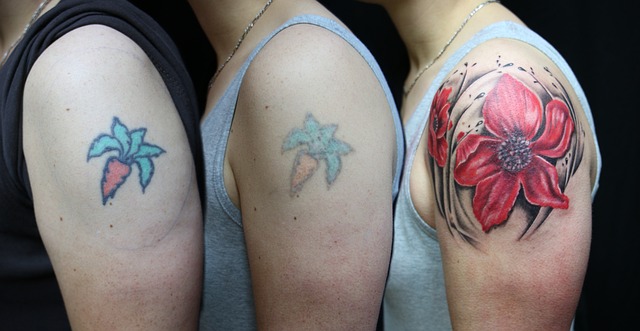
The Biological Process of Tattoo Pigment Breakdown
During laser treatment, high-intensity light energy targets pigment granules embedded in the dermis. These pigments absorb specific wavelengths and shatter into smaller fragments. The body’s lymphatic system then gradually clears these residues through macrophage activity. This clearance is slow—often taking weeks per session—and varies by pigment type and immune efficiency. Inflammatory mediators released during this process influence both healing speed and eventual skin texture.
Factors Influencing Tattoo Removal Outcomes
Several biological and procedural variables determine success. Skin phototype affects how much light energy can be safely applied without causing burns or hypopigmentation. Pigment color also matters: darker inks absorb more energy, while lighter shades like green or yellow resist standard wavelengths and require specialized lasers such as Q-switched Nd:YAG or picosecond systems. Pre-existing conditions like eczema may delay recovery, while practitioner skill in adjusting fluence and pulse duration directly impacts uniform fading.
The Critical Role of Aftercare in Post-Treatment Recovery
Even with advanced lasers, poor tattoo removal aftercare can undo months of progress. The skin’s ability to regenerate collagen and clear pigment relies heavily on controlled inflammation and protection from external stressors.
Why Aftercare Determines Long-Term Skin Health
Post-laser inflammation is normal but must be managed carefully to prevent infection or scarring. Cooling compresses reduce vascular dilation and tissue heat accumulation. Clean environments limit bacterial colonization that could otherwise lead to pustules or delayed healing. Consistent moisture balance supports keratinocyte migration, which restores epidermal integrity while collagen fibers realign beneath.
Key Phases of Tattoo Removal Aftercare
Each healing stage requires specific care strategies tailored to minimize trauma and support regeneration.
Immediate Post-Treatment Phase (First 48 Hours)
The first two days are crucial for preventing secondary injury. Applying sterile cooling packs limits edema formation while soothing nerve endings. Antibacterial ointments form a barrier against environmental contaminants, especially if microblisters appear. A light dressing should remain intact until exudate subsides to maintain aseptic conditions.
Intermediate Healing Phase (Days 3–14)
As scabs begin forming, gentle cleansing with pH-balanced solutions helps remove plasma residue without disrupting natural crusts. Overly aggressive washing can reopen wounds or prolong erythema. Non-comedogenic moisturizers restore lipid layers essential for water retention, while strict avoidance of UV exposure prevents post-inflammatory hyperpigmentation—a common complication in darker skin tones.
Long-Term Recovery Phase (Weeks to Months)
Once epithelial repair completes, deeper dermal remodeling continues unseen for months. Regular hydration keeps fibroblast activity steady, improving elasticity and tone uniformity. Daily use of broad-spectrum sunscreen remains mandatory; even mild UV exposure can darken residual pigment areas unevenly. Periodic monitoring allows early detection of hypertrophic scarring or allergic responses to residual ink fragments.
Common Complications from Poor Aftercare Practices
When aftercare lapses occur, complications often reveal themselves gradually rather than immediately—sometimes only visible under polarized light imaging used in clinical follow-ups.
Identifying Preventable Skin Reactions
Blistering typically arises from heat buildup when treated areas are exposed to hot showers or friction from clothing too soon after therapy. Secondary infections develop if unhealed wounds contact unsanitized surfaces or are picked at during scab formation. Extended sun exposure triggers melanin overproduction around treated zones, resulting in patchy discoloration that can persist for months.
Long-Term Consequences of Neglecting Aftercare Protocols
Chronic redness (persistent erythema) signals prolonged vascular dilation due to unmanaged inflammation. Collagen disruption from repeated trauma leads to uneven surface textures resembling fine scars or depressions known as atrophic marks. Moreover, compromised skin integrity reduces tolerance for subsequent sessions since damaged tissue absorbs laser energy unpredictably.
Integrating Clinical Expertise into Aftercare Protocols
Modern dermatology emphasizes collaboration between patient compliance and clinical precision. Standardized protocols now integrate both evidence-based skincare routines and emerging technologies designed to accelerate repair cycles safely.
Evidence-Based Guidelines for Practitioners and Patients
Best practices recommend pH-neutral cleansers paired with non-occlusive emollients immediately after treatment to maintain microbiome stability without clogging follicles. Laser-specific cooling devices—such as cryogenic sprays—help control epidermal temperature fluctuations during sessions, minimizing dermal trauma risk noted in ISO 13485-certified medical device evaluations. Scheduled reviews every four to six weeks allow practitioners to document progress via digital dermoscopy imaging.
Innovations in Aftercare Formulations and Techniques
Advanced Topical Agents for Enhanced Healing
Recent formulations enriched with growth factors stimulate fibroblast proliferation, expediting tissue regeneration across treated regions. Silicone-based gels regulate moisture gradients across scars by creating semi-permeable membranes that flatten raised areas over time—a method validated by multiple dermatological studies published under IEEE biomedical engineering standards.
Emerging Technologies Supporting Skin Recovery
Low-level LED phototherapy has gained traction for its ability to accelerate ATP production within mitochondria, thereby improving cellular turnover rates post-laser exposure. Microcurrent stimulation devices further enhance local circulation by promoting nutrient exchange within capillary networks surrounding treated sites—particularly beneficial for patients undergoing multi-session tattoo removal plans extending beyond one year.
Evaluating Long-Term Skin Recovery Beyond Surface Healing
Visible fading does not always reflect full recovery; true restoration involves structural normalization within deeper dermal layers where collagen realignment occurs gradually under sustained metabolic activity.
Assessing Dermal Remodeling and Pigment Clearance Over Time
Histopathological studies show reorganized collagen bundles forming parallel alignments months after final sessions—a marker of stable remodeling rather than transient swelling reduction. Advanced imaging tools such as optical coherence tomography track residual pigment density across successive treatments, helping clinicians fine-tune wavelength parameters for optimal clearance efficiency without overexposure risk.
Psychological and Aesthetic Dimensions of Recovery
Beyond physiology lies perception: patient satisfaction correlates not just with visual clarity but also tactile smoothness when running fingers across previously inked skin. Educating clients about realistic timelines prevents frustration when fading plateaus temporarily between sessions; adherence improves markedly when expectations align with biological pacing rather than marketing promises.
FAQ
Q1: How long does complete tattoo removal usually take?
A: Most tattoos require 6–12 sessions spaced several weeks apart; total duration often exceeds one year depending on ink density and color composition.
Q2: Is it normal for skin to blister after laser treatment?
A: Mild blistering can occur due to thermal stress but should resolve within days if cooled promptly and kept clean using sterile dressings.
Q3: Can sunscreen really affect tattoo removal results?
A: Yes, unprotected UV exposure stimulates melanin production that competes with pigment absorption during subsequent laser sessions, reducing efficiency.
Q4: What kind of moisturizer works best during recovery?
A: Non-comedogenic creams containing ceramides or hyaluronic acid maintain hydration without blocking pores or interfering with natural exfoliation processes.
Q5: Why does some pigmentation remain even after multiple treatments?
A: Certain inks contain metallic oxides resistant to standard wavelengths; specialized lasers like picosecond systems may be required for complete clearance.